
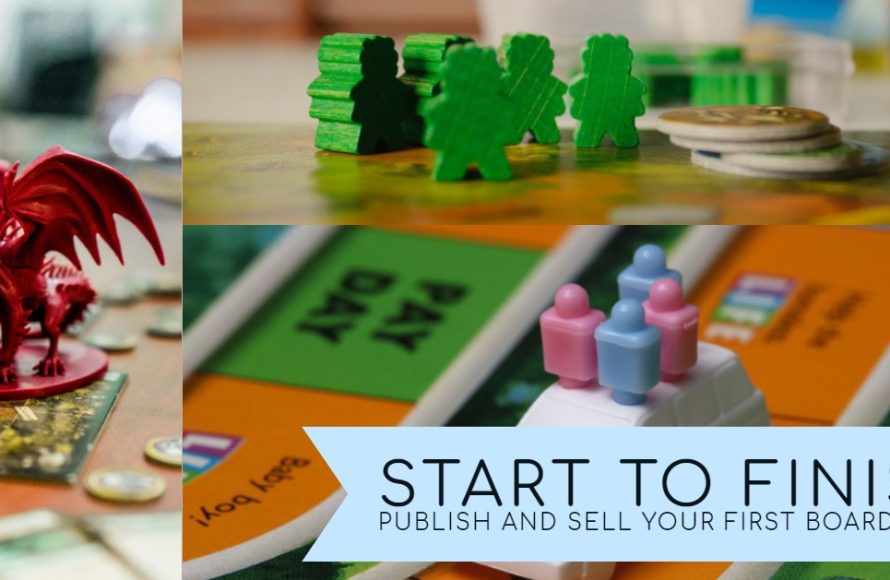
Creating and selling a board game requires designing gameplay, playtesting extensively, producing components, and then marketing your finished product to interested buyers.
Ever dreamt of seeing your board game creation on store shelves? It’s more attainable than you might think. This article explores the key steps involved in how to create and sell a board game.
From initial idea to final sale, you will learn the necessary skills. We will cover design, manufacturing, and marketing. We are here to guide you through the process.

How to Create and Sell a Board Game
So, you’ve got a fantastic board game idea buzzing in your brain? That’s awesome! Turning that idea into a real, sellable product takes some work, but it’s totally doable. Think of it like building a really cool Lego set – you start with an idea, gather your pieces, put it all together, and then share your masterpiece with the world. This guide will break down exactly how you can create and sell your very own board game, step by step.
The Idea Stage: Where it All Begins
Every great board game starts with a spark. It could be a clever mechanic, a captivating theme, or just a fun experience you want to share. This early phase is about letting your creativity flow freely. Don’t worry about perfection right now; just focus on getting those ideas out of your head and onto paper (or a computer!).
Finding Your Game’s Core Concept
What makes your game special? Think about:
- Theme: What’s the story or world your game is set in? Is it a fantastical realm, a historical event, or something totally unique? A good theme can make your game feel immersive and exciting.
- Mechanics: How do players actually play? Are there dice rolls, card drafting, set collection, worker placement, or something completely novel? Consider what types of actions players will take.
- Player Experience: What feeling do you want your players to have? Do you want them to laugh, strategize, feel competitive, or cooperate?
Brainstorming Techniques
If you’re stuck, try these techniques:
- Mind Mapping: Start with your main idea in the center of a page and branch out with related concepts. This helps you see how different parts connect.
- Free Writing: Just start writing whatever comes to mind about your game. Don’t edit yourself; just let it all out. You might surprise yourself with what you create.
- Playing Other Games: Take a look at the board games you like. What aspects are appealing to you and why? See how other game designers tackled mechanics and themes. Don’t copy, but draw inspiration.
Documenting Your Ideas
Keep track of your thoughts! You can use a notebook, a digital document, or even a specialized game design software. The important thing is to organize everything so it’s easy to refer back to later.
Developing Your Game: From Idea to Playable Prototype
Once you’ve got a solid concept, it’s time to make it real! This is where you take your ideas and turn them into something people can actually play. The prototype phase is all about testing, testing, and more testing.
Creating a Paper Prototype
Don’t worry about making things perfect at this stage. A simple paper prototype works best:
- Use Index Cards: These are great for representing cards, tiles, or tokens.
- Use a Plain Board: Draw or print a basic board layout on a piece of paper.
- Use Basic Markers: Use anything that can serve as player pieces.
The goal here is to get a working version of your game so you can try it out. You don’t need fancy components yet.
Playtesting Your Prototype
This is a critical step! Gather some friends or family who are willing to give you honest feedback. Play the game, pay attention to what works and what doesn’t, and take notes.
Here’s what to look for:
- Clarity: Are the rules easy to understand? Do players know what to do?
- Fun Factor: Are people enjoying themselves? Are they engaged?
- Balance: Is the game too easy or too hard? Are there any overpowered strategies?
- Pacing: Does the game move at a good pace? Does it drag on too long?
Don’t be afraid to make changes! Playtesting is a feedback loop that will help you refine your game design.
Refining and Iterating
After each playtest, analyze what happened and tweak your game. It’s a cycle of playing, noticing problems, changing the game, and then playing again. This process can happen over and over, and you can make lots of versions of your game before it’s ready. Each change will make your game better.
Digital Tools for Game Development
As your game progresses, you might find it useful to use some digital tools:
- Tabletop Simulator/Tabletopia: These are platforms where you can create and playtest digital versions of your board game. They are great for playtesting with people who are not nearby.
- Spreadsheets (like Google Sheets): Useful for tracking game data, such as card distributions, resource costs, and player scores.
- Graphic Design Software (like Canva or GIMP): Useful for designing cards, boards, and other visual components.
Art and Design: Making Your Game Look Amazing
The look of your game is almost as important as the gameplay. It’s the first thing people see, and it can draw them in (or turn them away). Great art and design will make your game more appealing and enjoyable.
Finding Your Game’s Visual Style
Consider the mood and theme of your game. Do you want something colorful and cartoonish or something more serious and realistic? The art should fit the game’s overall feeling. Ask yourself:
- Who is your target audience? If your game is for kids, bright colors and cartoonish art might work well. For adults, you might consider a different style.
- Does the art fit the theme? If your game is about ancient Egypt, your art should reflect that.
- Does the art serve a purpose? The art should also support gameplay, making it clear what cards, pieces, or locations are, making it easy to play.
Working with Artists and Graphic Designers
Unless you have experience in art and graphic design, it’s usually best to hire professionals. Here are some tips:
- Find Portfolio: Look at the work of artists and designers to see if their style fits your game. Check online platforms where artists showcase their work.
- Get Clear with Your Needs: Explain your game well and give them very clear instructions about the kind of art you want. Show them examples of what you like.
- Discuss a Budget and Timeline: Be sure to discuss rates and deadlines. Have a clear agreement before work begins.
- Communication is Key: Stay in touch with the artist and give feedback during the process.
DIY Art and Design
If your budget is tight, you can try doing some of the art and design yourself. Here are some suggestions:
- Use Online Resources: There are lots of free images and fonts available on the internet. Be sure to check the license to see if you can use them for commercial purposes.
- Keep it Simple: You don’t need to have professional-level artistic talent to make your game look good. Simple, clear design can be very effective.
- Get Feedback: Show your designs to friends or family and get their feedback. Is everything clear and easy to understand?
Manufacturing Your Game: Making Physical Copies
Once your game is designed and tested, it’s time to think about making copies. This is where you move from a prototype to a product. Here are some options for manufacturing.
Finding a Manufacturing Partner
Unless you have experience in large-scale production, it’s usually best to work with a manufacturing company that specializes in board games. Here are the common ways to find a manufacturing company:
- Online Research: Start with online research and read reviews. Look at companies that others in the tabletop game community have used.
- Ask for Quotes: Get quotes from multiple manufacturers. Compare pricing and quality.
- Look at Samples: Request physical samples of their work to check on the quality and see if they are up to your standards.
Understanding Manufacturing Costs
Manufacturing can be a big expense. Here are some factors that influence costs:
- Quantity: The more you make, the cheaper it is per game. Usually, the cost per game decreases when you make larger print runs.
- Components: The number of components in your game, and their quality, also impact the cost. Simple games are usually less expensive to make.
- Packaging: The type of box you choose and the packaging quality also affect the final cost.
- Shipping: Shipping costs can add up, especially if you are importing the games.
Working with the Manufacturer
When you work with a manufacturer, be sure that you understand their process. Here are some tips for a smooth manufacturing process:
- Clear Communication: Be very clear about your specifications, deadlines, and budgets.
- Keep Track of Timeline: Set up a timeline with the manufacturer. Be realistic about how long it will take to produce and ship your games.
- Review Proof: Before printing, check proofs of your components carefully to be sure they meet your specifications.
Selling Your Game: Reaching Your Audience
Now that you’ve got your game in hand, it’s time to think about selling it! There are many ways to sell your board game, and each way has its own advantages.
Setting a Price for Your Board Game
Think about:
- Production costs: How much does it cost to make one copy of your game? You must make sure you’re covering your costs.
- Competitor prices: How much are similar games being sold for? Your price needs to be competitive.
- Perceived Value: How much do you think people will pay for your game? A game with high production value might be able to command a higher price.
- Your Profit Margin: How much profit would you like to make from each sale?
Choosing a Sales Channel
Here are some ways you can sell your game:
- Online Stores: You can sell through your own website, or platforms like Amazon, Shopify, or Etsy. This is good for direct control over your brand and customer interactions.
- Local Game Stores: Connect with local game stores and try to sell it through them, which can help get your game in front of a specific audience.
- Conventions and Fairs: Sell your game at board game conventions or local craft fairs, where people interested in board games will attend.
- Distributors: Work with a distributor that will sell your game to retailers on your behalf. This can get you into more stores, but you usually have to share some profit with the distributor.
- Crowdfunding: Use a crowdfunding platform like Kickstarter or Indiegogo to help finance the production and create an audience in advance. This can be beneficial to get the needed capital for producing the board game.
Marketing Your Game
Even the most fantastic game won’t sell if people don’t know about it. Here are some essential marketing strategies:
- Social Media: Create an engaging social media presence to attract customers. Post photos, videos, and updates about your game, using platforms like Facebook, Instagram, TikTok, and Twitter.
- Website: Create a website for your board game with clear information and sales pages. Provide information about the game, along with game rules and how to purchase the game.
- Email Marketing: Gather email addresses from people who are interested in your game, and send out updates about sales, promotions, and new products.
- Public Relations: Reach out to board game reviewers, websites, and blogs. The more people see reviews about your game, the more it will sell.
- Run Ads: Consider running paid advertisements on social media, search engines, or on websites that specialize in board games.
- Engage with Your Customers: Answer questions about your game and be friendly with your fans to build brand loyalty.
Handling Logistics
When you start selling, you need to be able to package and ship games to your customers. You should:
- Have enough packing materials: Have all the boxes, tape, and packing material on hand, so you don’t run out while shipping.
- Keep track of inventory: Know how many games you have in stock and how many you are shipping. Use spreadsheets or inventory software to make sure you don’t sell out or order too much.
- Offer great customer service: Quickly handle any problems or complaints. You should answer emails and messages promptly and treat each customer with kindness.
Creating and selling a board game is a long and often hard process. It’s also exciting and very rewarding. By taking things step by step, and remembering that learning never stops, you can turn your awesome game ideas into a product people will love.
How to Make a Board Game in 2024
Final Thoughts
Brainstorm ideas, develop a compelling concept, and playtest relentlessly. Refine your design based on feedback. Then, create high quality components and artwork.
To successfully sell, market your game effectively. Consider crowdfunding or pitching to publishers. Learning how to create and sell a board game requires perseverance and strategic decisions. Understand that marketing is a must.

