
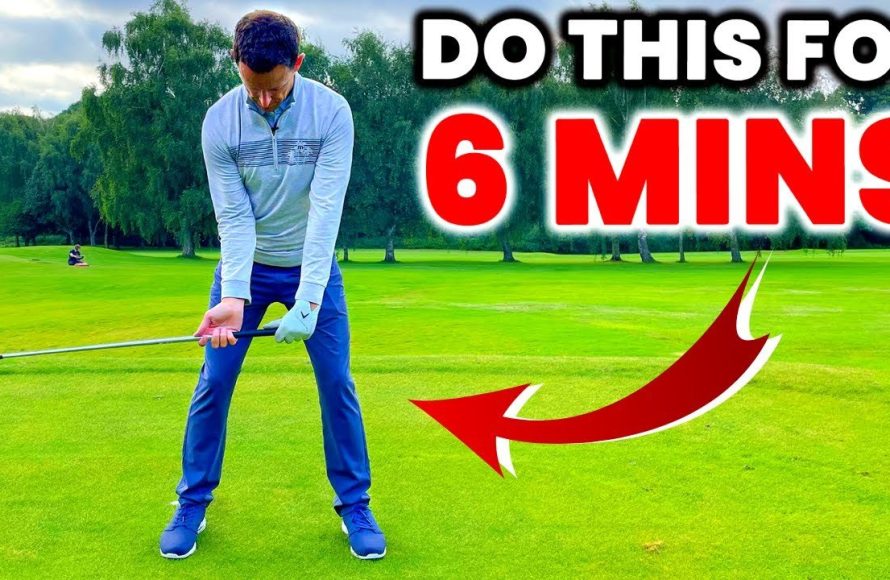
To improve your golf game, focus on consistent practice, grip, stance, and swing mechanics, along with course management.
Frustration mounts with every errant shot. That tiny white ball seems to have a mind of its own, doesn’t it? You crave consistency, better distance and lower scores. Many golfers often ask, “how to improve golf game?”
The answer isn’t a secret. It involves a combination of technique and strategy. Small, regular changes in your approach lead to substantial results on the course. Practice with purpose, analyze your swings, and always remember to enjoy the game.

How to Improve Your Golf Game
Okay, so you love golf, but sometimes those little white balls just don’t go where you want them to, right? We’ve all been there! Improving your golf game can feel like a big challenge, but it’s totally doable with some smart practice and a bit of know-how. It’s not about becoming a pro overnight; it’s about getting better little by little and enjoying the game more. Let’s break down some key areas you can focus on to lower your score and have more fun on the course.
Grip It Right: Your Foundation
Think of your grip as the handshake you have with your golf club. If it’s too weak or too strong, you won’t have good control. A neutral grip is usually best for beginners and helps you have a more consistent swing. Here’s how to find it:
- The Left Hand (for right-handed players): Place the club in your left hand, running diagonally across your fingers and the base of your palm. You should be able to see two or three knuckles.
- The Right Hand (for right-handed players): Now, place your right hand over your left, like you are shaking hands with the club. Your right thumb should rest slightly to the left of the center of the grip.
- Pressure: Hold the club with light pressure. Don’t squeeze it too hard, or you’ll lose flexibility and power. Think of holding a small bird – you want to hold it securely, but not so tightly that you hurt it.
Checking Your Grip
It’s a good idea to check your grip often, especially when you are starting. A simple check is to make sure the “V” formed by your thumb and forefinger on each hand points towards your right shoulder (for right-handed players). Little adjustments to your grip can make a big difference in your accuracy and distance.
The Stance: Setting Up For Success
Your stance is how you position your body before you swing. A solid stance helps you make a good connection with the ball. Here are a few points to keep in mind:
- Width: Your feet should be about shoulder-width apart. If you’re using a longer club like a driver, you might want a stance slightly wider than shoulder width.
- Ball Position: The position of the ball depends on the club you’re using. For shorter irons, the ball should be in the center of your stance. For longer clubs like drivers, the ball should be more towards your front foot.
- Weight Distribution: Feel like your weight is balanced over your feet. Don’t lean too far forward or backward.
Practice Your Stance
Practice getting into your stance before you even pick up a club. Find a spot in your yard or at the range and rehearse the right feel. It will make it easier to get set up quickly and correctly on the golf course. Consistent setup leads to more consistent shots.
The Swing: Smooth and Controlled
The golf swing can be tricky, but it’s not about trying to hit the ball as hard as you can. It’s more about being smooth and in control. Here’s a basic guide:
Backswing
- Start Slow: Don’t rush. Take your club back slowly and smoothly. Think about turning your shoulders.
- Keep Your Wrist Cock: As you take the club back, allow your wrists to hinge slightly. This will give you power.
- Full Rotation: Make sure your back is turned towards your target by the top of your backswing.
Downswing
- Start From the Ground: Begin your downswing by shifting your weight from your back foot to your front foot.
- Hands Lead: Your hands should lead the way, and your club will follow. Avoid trying to hit the ball hard with your arms.
- Impact: Make solid contact with the ball, hitting it in the center of the club face.
Follow-Through
- Continue the Swing: Don’t stop after hitting the ball. Follow through smoothly, finishing with your club pointing towards your target.
- Balance: End your swing in a balanced position. You should be able to hold your finish.
Practice Makes Perfect
The best way to get better at your swing is to practice. Start slowly, focusing on making good contact with the ball. You might try practicing with half-swings to get the feeling of the movement right. Gradually, you can increase the length of your swing.
Putting: The Game Within the Game
Many people say putting is where the game is won or lost. It’s a very important part of golf, but often neglected in practice. Here’s what you should work on:
Grip and Stance for Putting
- Grip: Use a light and relaxed grip. A popular grip for putting is a reverse overlap grip where your index finger from your non dominant hand will lay on top of your other hands fingers.
- Stance: Your feet should be shoulder-width apart, and you should stand close enough to the ball so your eyes are directly above the ball.
The Putting Stroke
- Pendulum Motion: Think of your putter moving like a pendulum – a back and forth motion.
- Smooth and Steady: Avoid trying to hit the ball hard. It is more about a gentle, controlled motion.
- Follow Through: Make sure to follow through with your stroke, not stopping at the ball.
Reading the Greens
Reading the greens is a key skill to putting well. Look at the green, and consider the slope of the ground. Notice if the grass looks lighter or darker. Lighter grass often means a faster putt, and darker grass means a slower putt. Try to make your putting stroke so that the ball rolls right into the hole by accounting for the slope of the green.
Practice Putting Drills
Set up some simple drills to work on your putting. Here are a few ideas:
- The Gate Drill: Place two tees down, slightly wider than your putter head. Try to putt the ball between the tees.
- The Ladder Drill: Set up a series of balls at varying distances from the hole. Start with the closest ball and try to make every putt to build your confidence with distance.
- The Coin Drill: Lay down a coin on the green, and practice putts from various distances with the goal of landing the ball on top of the coin.
Short Game: Chipping and Pitching
The short game, which includes chipping and pitching, is crucial for getting close to the green. If your shots are not landing close to the pin, it does not matter how good you are at driving. There is a large portion of the game that is decided by how well you do with your short game. Here’s what you should focus on:
Chipping
- Stance: Use a narrower stance than your full swing. Position the ball in the middle of your stance.
- Grip: Choke down on the club (grip lower on the handle). This will help you have more control.
- Swing: Use a shorter, more controlled swing, like a small putting stroke. The goal is to get the ball to roll onto the green and close to the hole.
Pitching
- Stance: Use a wider stance than when chipping, with the ball slightly forward.
- Swing: Use a slightly longer swing than with chipping, using more of your arms. The goal is to get the ball up into the air and land softly on the green.
Practice Around the Green
Spend time practicing your chipping and pitching. Try different clubs and different distances to see how the ball reacts. Learn what happens when you use more or less power with the swing.
Course Management: Smart Decisions
Sometimes improving your golf game isn’t just about your swing. It’s about making smart decisions on the course. This is called course management.
Plan Your Shots
Before you swing, take a moment to think about the best way to play the hole. Consider:
- Hazards: Where are the bunkers (sand traps), water, and trees? Try to avoid them if possible.
- Fairway: Where is the best place to land your ball in the fairway?
- Green: Where is the pin located? You don’t always have to aim directly at the pin. Think about the best place to land the ball on the green.
Choose the Right Club
Don’t always try to use the driver! Sometimes it is better to use an iron to get the ball on the fairway, instead of trying to get to a super far distance. Pick the club that gives you the best chance of success for that shot.
Play Within Your Abilities
Don’t try to be a hero with every shot. It is ok to lay up and play safe rather than risk ending up in the water or in the trees. Be smart and play within your limits.
Mental Game: Staying Focused
Golf is a game of patience and focus. A good mental game can improve your play a lot.
Stay Calm
Don’t get frustrated if you have a bad shot. Everyone has bad shots. Let it go, and focus on the next one.
Stay Positive
Believe in yourself. You can improve your game. A positive mindset can make a big difference in how you play.
Stay Present
Focus on each shot as it comes. Don’t dwell on past mistakes or worry about future shots. Stay present in the moment. This helps you make the best possible decision for that shot.
Practice Regularly: Consistency is Key
Like anything, the more you practice, the better you’ll become. Try to practice regularly, even if it’s just for a little bit. Consistency is the most important part of improving.
What to Practice
- Driving Range: Work on your swing, distance, and accuracy.
- Putting Green: Practice your putting stroke and reading the greens.
- Short Game Area: Practice your chipping and pitching.
Track Your Progress
Keep a log of your scores and what you are working on. This helps you see how you’re getting better. It will also help you identify areas where you need more practice.
Get Lessons: Professional Help
If you are serious about improving your game, it’s a good idea to get lessons from a golf pro. They can help identify any weaknesses in your swing, and give you specific advice to improve your game. A professional golf coach can also help you improve your mental game, as well as your practice strategy.
Find a Good Teacher
Look for a teacher who is experienced and has a good reputation. Choose someone who can explain things in a way that you understand.
Be Patient
It takes time and effort to improve your game. Be patient, and celebrate the small improvements you make along the way.
Improving your golf game is a journey, not a destination. There will be good days and bad days, but with some effort and focus, you can get better and have more fun playing golf. Remember to practice regularly, stay patient, and enjoy the process!
7 ways to improve at Golf WITHOUT practice!
Final Thoughts
Consistent practice refines your swing mechanics. Focus on short game precision, improving putting and chipping. Also, course management plays a key role in lowering scores.
Proper equipment fitting helps you optimize your performance. Analyze your shots to find areas needing improvement. How to improve golf game involves a combined effort.
Regularly evaluate your progress. This ensures continuous gains. Seek guidance from a professional coach. Remember, patience is must for progress.

