
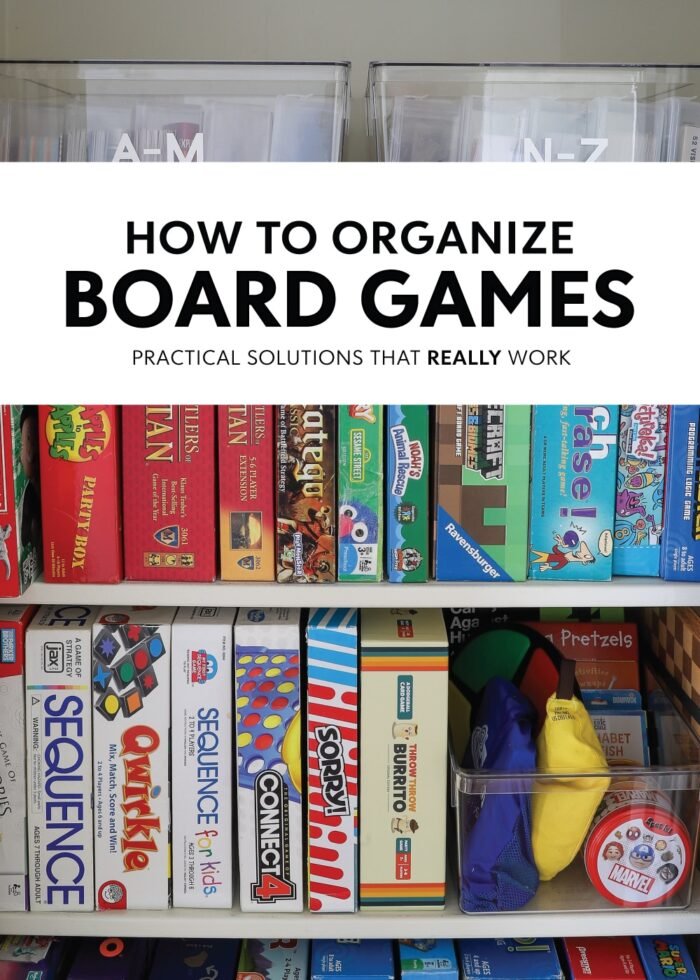
Organize games by categorizing them based on type (board, video, card), storing them in designated areas (shelves, drawers, boxes), and labeling clearly for easy retrieval.
Ever find yourself staring at a chaotic pile of games, unsure where to even begin? It’s a common struggle! Many of us have more games than we realize and figuring out how to organize games effectively can feel overwhelming.
The goal is to make finding and playing games easier and more enjoyable. A well-organized collection also protects your games from damage. Let’s explore some easy ways to keep your game stash in check.

How to Organize Games: A Fun and Easy Guide
Organizing your games might sound like a chore, but it can actually be a lot of fun! When everything is in its place, finding the game you want to play is a breeze. No more digging through messy piles or wondering where that one important piece went. Let’s jump into some easy and effective ways to get your game collection in order. Whether you have board games, video games, card games, or all three, we’ve got tips for everyone.
Sorting Your Games: The First Step
Before you even think about putting things away, you need to figure out what you have. This means gathering all your games from every corner of your house. Yes, that means checking under the beds, in closets, and even the garage! Once you’ve gathered everything, you’ll need to sort them into categories. Here are a few ways you can do it:
By Type
This is the most common way to sort games. You can separate them into:
- Board Games: These are games that usually come in a box with a board and pieces, like Monopoly or Candy Land.
- Card Games: Games that mostly use cards, like Uno or Go Fish.
- Video Games: Games you play on a console, computer, or phone.
- Outdoor Games: Games you play outside, like basketball or tag.
- Puzzles: Jigsaw puzzles or other brain-teasing games.
By Age or Player Count
If you often play games with different people, you might find it helpful to organize them by age appropriateness or the number of players needed. For example:
- Games for little kids: These are simpler games with bigger pieces.
- Games for older kids and teens: These games are often more complex and require strategy.
- Games for 2 players: Great for quiet nights.
- Games for groups: Perfect for parties or family gatherings.
By Theme or Genre
If you love fantasy, strategy, or party games, you might prefer to sort your games into these types of groups. This can make choosing a game more enjoyable and simpler. Consider categories like:
- Strategy Games: Games that require you to think ahead and plan your moves.
- Party Games: Games that are designed for large groups and usually involve laughter.
- Cooperative Games: Games where everyone works together to reach a goal.
- Fantasy/Sci-Fi Games: Games with magical worlds or futuristic settings.
- Educational Games: Games that teach you new things while having fun.
Storing Board Games: Finding the Right Spots
Board games can take up a lot of space, so it’s important to store them efficiently. Here are some tips:
Upright on Shelves
Storing your board games upright, like books, is often the best way to save space. This way, you can see all the titles and easily pick the one you want. If you have deeper shelves, try using shelf dividers to keep the games from falling over.
Stacking Carefully
If you don’t have many shelves, you can stack your games. Put the heaviest games at the bottom to avoid squishing the boxes of the lighter ones. Don’t make the stacks too high, or they might topple over.
Using Storage Bins
For odd-shaped board games or those that have damaged boxes, storage bins can be a lifesaver. Choose clear bins so you can see what’s inside, or label each bin with the type of games it holds.
Wall-Mounted Shelves
If you’re short on floor space, wall-mounted shelves can be a great way to store board games. You can arrange them to display your games like works of art!
Game Storage Furniture
Some furniture is made specifically for storing games, with special compartments for different types of games and pieces. If you have a lot of games, this might be a worthwhile investment.
Protecting Game Boxes
Game boxes can get damaged easily, especially the corners. To keep them in good condition:
- Try using plastic protectors made for game boxes, which can be bought online.
- If you don’t have protectors, carefully use some clear packing tape on the corners to keep them from tearing.
- Keep game boxes away from direct sunlight and moisture to prevent fading or warping.
Organizing Card Games: Keeping Decks in Order
Card games can be small, but their decks can easily get mixed up or lost. Here are some ways to keep your card games in order:
Card Boxes and Cases
Card boxes, also called deck boxes, are perfect for keeping card games together. You can buy them in different sizes and colors. Some even have dividers, so you can organize different decks within the same box. These boxes come in handy if you play collectible card games as well.
Plastic Sleeves
If you want to protect your cards from bending or damage, use plastic card sleeves. They come in various sizes to fit different types of cards. This is particularly important for valuable or frequently used decks. Make sure you purchase sleeves that fit your deck to protect them.
Rubber Bands and Clips
If you don’t have card boxes, you can use rubber bands or binder clips to keep your decks together. Be careful not to wrap the rubber band too tightly as it may damage the card. If you use this method, make sure you keep the deck safe.
Storage Bins or Trays
For a larger collection of card games, consider using storage bins or trays with compartments. These can help you keep different types of cards organized and make it easier to find the right deck when you need it. Using small trays or box inserts, you can store the cards in a very efficient way.
Labeling
If you have many card games, it’s good to label the box or container. This will help you easily identify what card game is in each box or container.
Managing Video Games: Keeping It Digital and Physical
Video games come in both physical and digital forms, and each requires a different approach to organization:
Physical Video Games
Game Cases on Shelves
Arrange your physical game cases on shelves just like you would board games. You can organize them alphabetically or by console. Using dedicated game storage racks can also keep cases organized. This saves you the headache of searching for a physical game case.
Storage Bins
If you have a lot of game cases, use plastic storage bins to store them. Choose clear bins to see what’s inside, or label each bin to know where each type of game is. Make sure you are aware of which bin or compartment has what kind of game you are looking for.
Digital Video Games
Folders by Platform
Most video game platforms, like computers, consoles, and phones, let you create folders. Use these folders to organize your games by genre, type, or your preference. This will keep your digital game collection organized and more manageable.
Use Wish Lists
Many game platforms have “wish list” features. Use these to keep track of games you want to buy so you can organize them easily later.
Uninstall Games You Don’t Play
Don’t keep digital games you don’t play. Uninstalling these games can save space on your device and makes it easier to find the games you actually want to play.
Tackling Game Pieces: Small But Important
Game pieces, like dice, tokens, and miniatures, can be easily lost or mixed up. Here are some tips for keeping them organized:
Small Plastic Bags
Use small resealable plastic bags to store game pieces. Label each bag with the game it belongs to. Keep all the parts of the game in the same bag or keep individual items in their own bag.
Storage Containers with Dividers
These containers are great for separating different types of game pieces. You can use them for storing tokens, dice, miniatures, and other small items. Choose containers with adjustable dividers so you can customize the compartments to your needs.
Craft Organizers
Craft organizers with drawers or compartments are also good for game pieces. They keep things neat and make it easier to find the piece you need.
Repurpose Containers
Old pill bottles, small jars, and even egg cartons can be repurposed as organizers for game pieces. These can be a great way to give new life to things you would otherwise throw away and also keep your game pieces in order.
Secure Game Piece Boxes
If the game has its own box for pieces, try securing it. Add rubber bands around the box or use tape to make sure the pieces don’t spill out. This helps you avoid mixing pieces from different games.
Maintaining Your Organized Games: Keeping the System Going
Once you have your games organized, it’s important to maintain the system so it stays organized. Here are some things you can do:
Put Games Away After Playing
This is the most important step. Make it a habit to put games away immediately after playing. Don’t leave them lying around, or the mess will come back quickly.
Regularly Review Your Collection
Take some time every few months to review your game collection. Get rid of games you no longer play or want. This will make space for new ones, and keep the organization from getting out of hand. Don’t let the game collect dust on the shelf if you’re not using it.
Involve Everyone
If you live with other people, involve them in the organization system. Everyone needs to be on board for the system to work smoothly. Make sure the rules are clear so everyone is on the same page.
Create a “New Games” Spot
When you get a new game, have a designated spot where you put it temporarily. This spot will act as a space to make it easy to make sure a new game doesn’t get put away in the wrong place. Before the new game is stored, make sure the space is right for the game and that it won’t cause any mess.
Label Everything
Labels are your friends when it comes to organization. Label shelves, bins, and containers, and keep the labels up-to-date. Clear, accurate labels save you the headache of guessing which game is which.
Make It Fun
Turn the organization process into a game! You can have fun with stickers, create colorful labels, or make it a family activity. Make it enjoyable so everyone can contribute to the process.
Organizing your games might take some time and effort at first, but it’s worth it in the long run. With a bit of planning and these easy to follow tips, you can keep your game collection neat, tidy, and ready for fun! Now you can spend less time searching and more time playing!
How To ORGANIZE BOARD GAMES in a closet with BONUS Card Game with Puzzle Organization Ideas!
Final Thoughts
Planning is key; determine the game, time, and location first. Then, create a clear schedule, and communicate rules to participants. Having necessary equipment ready beforehand is a must.
Next, consider the number of players. Group them appropriately and assign roles if needed. Make sure everyone knows what’s expected, and always prioritize fun. These steps help you learn how to organize games.

