
How to play a trivia game involves answering questions on various topics correctly.
Want to know how to play a trivia game? It’s simpler than you might think! Basically, you’ll face questions from different categories, and your goal is to provide the right answers.
Usually, points are awarded for each correct response, and the player or team with the most points wins. Some games use buzzers, while others rely on written answers, but the core idea remains the same: test your knowledge and have fun.

How to Play a Trivia Game
Trivia games are super fun! They’re a great way to test your knowledge, learn new things, and spend time with friends and family. But if you’ve never played before, it might seem a little confusing. Don’t worry! We’re going to break down everything you need to know about how to play a trivia game, from the basic rules to helpful tips to make you a trivia star. This guide covers different formats and all the strategies you will need to play a perfect trivia game.
Understanding the Basics of Trivia
At its heart, a trivia game is simple: you answer questions and get points for correct answers. But there are a few key things to keep in mind before you start:
What are Trivia Questions?
Trivia questions are questions that test your general knowledge about different subjects. They can be about anything! History, science, sports, pop culture, movies, geography – it’s all fair game! Some questions might be easy, while others might be really tricky. The variety is part of the fun. These questions challenge your memory and quick thinking abilities.
Common Trivia Categories
While any topic is fair, some categories show up often in trivia games. Here are a few to look out for:
- History: Dates, events, important figures, and more.
- Science: From animals and plants to outer space and experiments.
- Geography: Countries, capitals, rivers, mountains, and continents.
- Pop Culture: Movies, TV shows, music, celebrities, and current trends.
- Sports: Teams, players, records, and big games.
- Literature: Famous books, authors, and characters.
- Art & Music: Artists, musicians, famous works, and styles.
Different Ways to Play
Trivia games aren’t a one-size-fits-all activity! There are multiple ways to play, and the rules vary slightly based on the format. Here’s a look at some of the most common:
- Individual Play: Each person plays for themselves, answering questions and earning individual scores. This format is great for a competitive challenge among friends.
- Team Play: Players form teams and work together to answer questions and accumulate points. This style encourages collaboration and is fun for larger groups.
- Trivia Nights at Pubs or Bars: Teams compete in a bar or restaurant environment. Often, these have multiple rounds and may involve bonus points or other challenges.
- Online Trivia Games: There are tons of online platforms and apps where you can play trivia against other people around the world.
- Board Game Trivia: Many board games are centered around answering trivia questions, often with added gameplay elements like moving around the board or drawing cards.
Setting Up Your Trivia Game
Before you jump into the questions, it’s important to set up the game properly. This helps keep things organized and fair. Here’s how to prepare:
Gather Your Supplies
What you’ll need depends on how you’re playing, but here’s a general list:
- Trivia Questions: You can buy a trivia card set, find questions online, or even make up your own!
- Answer Sheets (for individual or team play): Paper and pens for writing down the answers.
- A Timer (optional): If you want to set a time limit for each question.
- A Score Keeper: Someone to keep track of points, this can be a single person or a whole team.
- Prizes (optional): Small rewards for the winner(s) can add to the fun.
Assigning Roles
In some games, you might have specific roles. Consider these when playing with a group:
- The Question Reader/Host: Reads the questions aloud to the players. They also clarify any unclear points and generally keeps the game moving smoothly.
- The Scorekeeper: Keeps track of the points earned by each player or team and ensures accuracy in the scoring process.
- The Timekeeper (Optional): If you’re using a timer, someone needs to keep track of the time allotted for each question.
Deciding on Rules
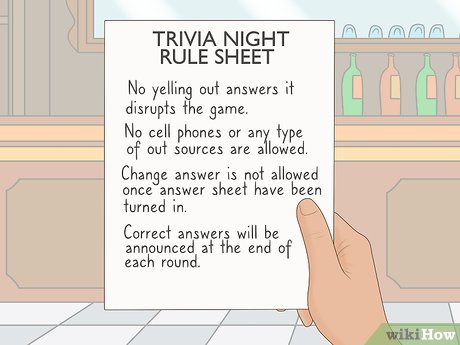
Before starting, agree on a few rules to keep things fair and fun. Some things to think about:
- Time Limits: Will there be a time limit for answering each question? If yes, how long?
- Team Names: If playing in teams, give each team a fun and creative name.
- Answering Process: Will teams write down their answers or answer verbally? Can they discuss or must they write individually?
- Scoring System: How many points for a correct answer? Will there be partial credit for near answers?
- Tie-Breakers: What happens if there’s a tie? How will you determine the ultimate winner?
Playing the Game: Step-by-Step
Okay, now for the fun part – actually playing! Here’s a general idea of how a trivia game typically flows:
The Host Reads the Question
The question reader reads the question clearly and slowly. Make sure everyone hears it properly before moving on.
Players Answer the Question
Based on how you decided in the rules section, players either write their answers down on paper or answer verbally. If using a timer, keep it in mind!
Collect the Answers
Once everyone has answered (or the timer is up), the answer sheets are collected, or each team is asked for their answers one by one.
The Host Reveals the Answer
The question reader reveals the correct answer. This allows players to self-check and see if they were correct or not.
Scoring and Tallying
The scorekeeper notes the correct answers and awards points to the relevant player(s) or team(s). If using a partial credit system, determine how many points to award for near answers. This process is repeated throughout the game.
Repeat Until Finished
Keep repeating the steps until you’ve gone through all the questions. It’s recommended that the host keep track of what questions have already been asked and be prepared with enough questions to play through the entire session, this helps eliminate confusion.
Declaring the Winner
Once all the questions have been answered, the scorekeeper totals up all the points. The player or team with the most points at the end of the game is declared the winner.
Tips for Playing Better Trivia
Want to up your trivia game? Here are some tips and tricks to help you become a trivia champion:
Study, But Don’t Stress Too Much
While learning about various topics is helpful, don’t feel like you need to know everything! Trivia is supposed to be fun. However, focusing on learning a few key things in each category can help you perform better.
- Read Books and Articles: Expand your knowledge through reading, covering diverse areas.
- Watch Documentaries: Learn about subjects in a fun and engaging way.
- Listen to Podcasts: Explore interesting topics while doing other things.
- Check Online Resources: Utilize the internet for information on various subjects
Think Before You Answer
Take a moment to think about the question before giving an answer. Sometimes, a quick reflection can help you recall the right answer, even if it doesn’t come immediately to mind.
Guessing Strategies
It’s better to guess when you don’t know the answer, than to leave it blank! Here are a few guessing techniques:
- Process of Elimination: If you know some answers are wrong, eliminate them and guess from the remaining options.
- Look for Clues: Often, the question will have subtle clues. Pay close attention to the phrasing to see if it sparks any recall.
- Trust Your Gut: Sometimes, the first answer that comes to mind is the right one, even if you’re unsure why.
Be a Team Player
If you’re playing on a team, work together! Share your knowledge, brainstorm answers, and be respectful of others’ ideas. A great team is stronger than the sum of its parts. The aim of a team is to combine the knowledge of each member, so working together is the most optimal path to winning.
Stay Calm and Have Fun
Trivia is a game, so the main goal is to have a good time! Don’t get discouraged if you don’t know all the answers. The point is to learn something new and enjoy the company of your fellow trivia enthusiasts.
Variations and Fun Twists
Once you get the hang of basic trivia, you can try adding some variations to keep things exciting. Here are a few ideas:
Picture Rounds
Show pictures or images, and ask trivia questions about them. For example: identifying famous landmarks, recognizing celebrities, etc. This offers a different way to test knowledge, as the questions are not strictly based on text only.
Audio Rounds
Play snippets of songs or recordings and ask questions about the audio. For example: guessing artists, identifying historical audio recordings, etc. These types of questions can help provide a break from more traditional text-based questions. They are also a great way to test your recognition of audio clues.
Themed Trivia
Choose a specific theme (like movies, 80s music, or space) for all the questions. This is great for a themed party or if you have a group that enjoys a particular subject. This type of trivia can also help narrow your studying focus.
Bonus Rounds
Add a bonus round with higher-value questions to give teams a chance to catch up. The stakes are higher, offering more potential for the game to change.
Wager Questions
Allow teams to bet a certain amount of their points on each answer. This adds an extra element of strategy and risk to the game. If teams are confident in their abilities, they can wager more points to get ahead. If teams aren’t as sure, they can wager less to avoid losing too many points. This offers a strategic layer to the game.
Playing trivia games is a fantastic way to challenge your brain, socialize with others, and learn new things. With a little practice and some good strategy, you’ll be on your way to trivia stardom. Remember, the most important part is to have fun! Whether it’s a casual game with friends, or a competitive trivia night at a local pub, there’s a fun format for every group. So, grab your friends, pick a category, and start quizzing!
Trivia Night: Rules of the Game
Final Thoughts
To play a trivia game, gather players and choose a category or theme. A designated person asks questions, and participants write or shout their answers. Points are awarded for correct answers.
Keep score throughout the game to determine the winner, the participant with highest score. The rules may vary, but the core is always the same. It’s all about knowing some interesting facts.
Ultimately, understanding the rules and scoring method is key to enjoying the fun. Now you know how to play a trivia game and can start planning your next game night.

