
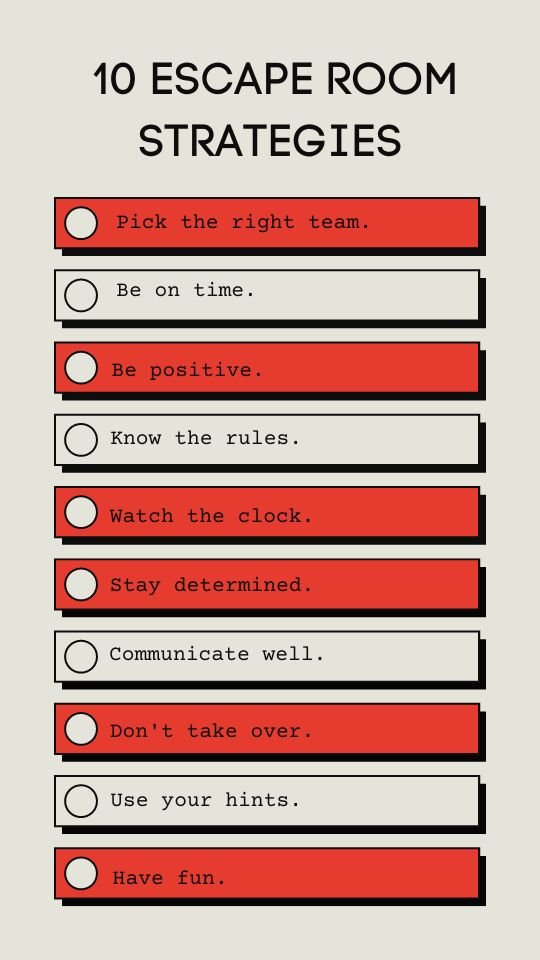
To play an escape room game, you must search for clues, solve puzzles, and work with your team to escape within the time limit.
Have you ever wondered what it’s like to be a detective in a thrilling mystery? Then you’re in the right place. We are going to show you exactly how to play escape room game. It’s an experience like no other, where teamwork and problem-solving skills are tested.
The basic concept involves being locked in a themed room. You and your team must explore, find clues hidden within the environment, and use these clues to solve puzzles. The goal, of course, is to escape before the clock runs out.

How to Play Escape Room Game
Ready for an adventure? Escape rooms are super fun games where you and your friends or family work together to solve puzzles and get out of a themed room before time runs out. It’s like being inside a real-life video game! Let’s learn how you can become a puzzle-solving pro and have an amazing time in an escape room.
Understanding the Basics
Before you jump into the excitement, let’s understand the core of an escape room. At its heart, an escape room is a physical adventure game. You’re placed inside a specially designed room, and you have a set amount of time – usually 60 minutes – to find clues, solve puzzles, and, ultimately, escape. The goal is not just about escaping; it’s about the journey of figuring things out as a team.
The Theme
Each escape room has a theme, which makes every experience unique. One room might be a pirate ship, another a mad scientist’s lab, and another might be a haunted mansion. The theme sets the mood and gives context to the puzzles you’ll encounter. Themes can range from fantasy and historical to science fiction and spooky. Knowing the theme can give you hints about the kinds of things to expect. For example, a room themed around a bank robbery might involve codes and safes.
The Goal
The main goal is always the same: escape the room. But the way you do that changes based on the room’s story and puzzles. You may need to find a key, decipher a code, or complete a series of tasks that lead you closer to the exit. Every step will bring you closer to the final solution. Remember, it’s all about teamwork and using your smarts.
Teamwork
Escape rooms are not designed for solo play. They are made to challenge a group. Everyone in your team should participate, sharing information and ideas. You’ll all have different ways of thinking, so working together is key to uncovering all the clues. Good communication will help you solve puzzles faster and more effectively. It’s always a team effort.
Before You Go: Preparation is Key
Like any adventure, some preparation can greatly improve your escape room experience. Here are some things to consider:
Book Your Game
Escape rooms are popular, so booking in advance is a smart idea. Choose a room that suits your group’s interests and skill level. Look at reviews to see what other players have said about the difficulty and fun of the room. Some rooms might be too challenging for beginners, while others might feel too easy for experienced players. So, it’s important to pick one that matches your needs. Most escape room companies have websites where you can browse rooms and book your time slot. Check out the timing carefully.
Gather Your Team
Escape rooms are often more fun with a group. Gather a team of friends, family, or coworkers. Make sure everyone is on board and ready for a fun challenge. The ideal group size will depend on the room’s recommendation, usually it’s between 2 to 8 people. Having a diverse group is a good thing because it provides different perspectives. A group can be made of members of mixed age groups too. So, invite anyone you think would enjoy the challenge.
Dress Comfortably
You’ll be moving around and possibly even reaching for things, so wear clothes and shoes that are comfortable. Avoid anything restrictive or heavy, and think about layers in case the room is a bit hot or cold. It’s also wise to leave your valuables at home or securely stored, as you don’t want to lose anything during the game. Opt for casual clothing that doesn’t hinder your movement. And comfortable shoes are a must.
Be On Time
Arriving on time for your session is really important. Most places will have a briefing before you begin your game. Arriving late might make you lose some time, so that you can not solve the room in the allotted time. It also respects the time of the game hosts and other players. Plan your travel to arrive with a little buffer time. This way you can also familiarize yourself with the area.
Inside the Room: What to Expect
Once you are inside, the real fun begins. But what actually happens inside the escape room? Here’s a breakdown:
The Initial Scan
When you enter the room, take a moment to look around. Don’t touch everything immediately. Try to get a sense of the space. Notice any obvious elements, like posters, furniture, or props. Everything in the room is there for a reason, so start trying to make sense of the setting. Look at all four corners, up and down, everywhere. Scan the entire space. A quick survey might give you a head start.
Finding Clues
Clues can come in many different shapes and sizes, and be hidden in different spots. They might be written notes, pictures, patterns, symbols, or even hidden objects. Be observant and don’t miss anything. Clues might seem completely unrelated at first, but they might connect as the game goes on. Check under things, behind pictures, inside drawers, and everywhere else. Don’t ignore anything; everything could be a possible lead.
Types of Clues:
- Written Clues: Notes, letters, or messages with important information.
- Visual Clues: Pictures, symbols, or patterns that need interpretation.
- Hidden Objects: Items tucked away in clever places.
- Auditory Clues: Sounds or recordings that provide hints.
- Physical Clues: Items that need to be manipulated or combined.
Solving Puzzles
The puzzles are the heart of an escape room. They’ll require you to use your brainpower, logic, and problem-solving skills. Puzzles can come in many types, like:
Types of Puzzles
- Logic Puzzles: Using reasoning to connect dots and find solutions.
- Code Puzzles: Deciphering codes, ciphers, or patterns.
- Number Puzzles: Solving mathematical equations, finding sequences, or putting numbers in the right order.
- Word Puzzles: Rearranging letters, finding hidden words, or solving riddles.
- Object Puzzles: Manipulating or combining objects in a specific way.
- Pattern Puzzles: Spotting patterns to find the next steps.
Communication
Talking to your teammates is a super important part of the escape room experience. Share what you’ve found, discuss your ideas, and work out puzzles together. Two heads are always better than one, especially when you are racing the clock. Make sure everyone knows what’s happening, so that nobody is left behind. Effective communication will help you not waste time and be more efficient.
Time Management
You’re racing against the clock, so managing your time is really important. Don’t spend too much time on a single puzzle. If you get stuck, move on and come back to it later. Divide up tasks and keep track of time. The timer is not your enemy, it is a reminder to keep going. Time goes by fast when you’re having fun, so be strategic.
Using Your Resources Wisely
Most escape rooms will allow you to use a couple of hints if you get stuck, or have a way of getting help, but it is important to use those resources wisely. If you think you can solve it with just a little more effort, try that. If you feel completely stuck, a gentle push from the game master might be all you need. Don’t be afraid to ask for assistance when you need it.
Strategies for Success
Here are some helpful hints and techniques that can significantly improve your escape room game:
Start with a Systematic Search
Don’t just randomly look around. Assign each part of the room to different team members so that you do not waste time. Be systematic about exploring. Start at one point in the room and then go to each part methodically, so you do not miss any spot. This strategy can help make sure that every clue is found.
Think Outside the Box
Sometimes, the answer may not be obvious or simple. Be ready to think creatively and from different angles. Don’t be afraid to consider unusual solutions or look at things from a unique perspective. Some solutions may be less obvious, and that’s what makes them fun.
Don’t Overlook Anything
In escape rooms, even small objects or minor details may be crucial for your escape. Pay close attention to everything around you. Look under and behind everything. No detail is insignificant.
Keep Things Organized
Once you’ve found a clue or solved a puzzle, don’t let it get lost in the mix. Designate a spot where solved puzzles can go, and keep the found clues visible. This will make sure you don’t waste time trying to remember information. Organization can also help identify any missing pieces of puzzles. It will also ensure that you know where things are when you need them later on.
Communicate Effectively
Communication is the key for any team-based game. Talk to your teammates about everything you see and everything you are thinking. Sharing your theories and ideas is important to get a solution. Active listening will make sure everyone is on the same page and you are making the most progress.
Don’t Get Discouraged
It’s common to get stuck sometimes. Just keep moving and trying different approaches. Escape rooms are designed to be challenging, and everyone gets stuck at some point. Be positive, and encourage your teammates, so that everyone stays motivated.
Divide and Conquer
If you have a larger team, you can break into smaller groups and each group can work on different parts of the room or different puzzles. Then come back together and share the results and figure it out. This strategy can help you solve the room faster, and makes sure that no time is wasted. Dividing the tasks strategically maximizes the use of the time you have.
Try Everything
If you find an object or a code, try it on everything it might fit with. Try numbers on locks, and objects in spaces they could belong. Don’t be shy about experimenting and combining different things. You never know what combination will get you the result you need.
Use All Senses
Use your eyes, ears, and even your sense of touch. Some clues might be hidden in plain sight or by the way something feels or sounds. Be aware of your surroundings and pay attention to all the details. Engage all your senses for an immersive game experience.
Have Fun
Above all else, try to have fun and enjoy the escape room experience. It’s a time for you and your teammates to work together. Enjoy the sense of accomplishment as you solve each puzzle and move closer to the escape.
After the Game: What Happens Next
Whether you escape in time or not, there’s still more to do after the game. Here’s what happens:
Debriefing
The game master will go over the puzzles with you and tell you the solutions, especially if you didn’t escape. It’s a good time to understand the game better. Ask any questions you may have, and find out how you could have solved the puzzles. This can be helpful for any future escape rooms.
Feedback
It is always good to provide constructive feedback to the escape room staff. What did you enjoy most about the room? What could be improved? This information will help them make their rooms even better. Sharing feedback is good for future players and for the staff.
Reflecting on Your Experience
Talk about the game with your teammates. Discuss what you did well and how you can get better next time. It’s also good to celebrate the things that you achieved and learned during the experience. Remember, the goal is always to have fun, learn, and grow together.
Planning Your Next Escape
Chances are that you’ll want to do another escape room after your first one. Start discussing with your teammates which room you would want to do next. Escape rooms are super fun, and you will not get bored. Start researching to find out other rooms to play. The next time you play, try a different theme or difficulty level.
Playing an escape room is a fun and mentally stimulating activity for everyone. Remember to communicate, keep thinking out of the box, and, most importantly, have lots of fun. With these strategies, you’ll be well-prepared to take on any escape room challenge!
Escape rooms are a thrilling way to test your problem-solving skills and have a great time with friends and family. They provide a unique form of entertainment that combines teamwork, strategy, and thinking creatively. By understanding the basics, preparing properly, and working effectively together, you can significantly improve your chances of escaping within the time limit and having a memorable experience.
Escape Room The Game instructievideo | Identity Games
Final Thoughts
To play escape room game effectively, start by examining your surroundings. Find hidden clues and solve puzzles collaboratively. Communication with your team is key for success.
Utilize any provided materials wisely; they often hold vital information. Time management is must, so don’t linger too long on one puzzle. Remember teamwork and focused observation help you escape.
Ultimately, effective communication and systematic puzzle-solving are central to how to play escape room game. Enjoy the challenge!

