
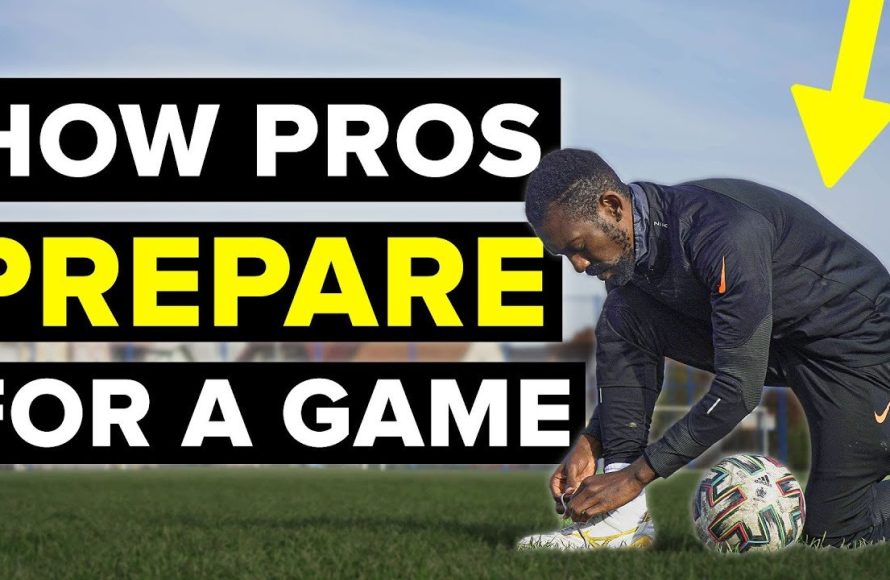
Preparing for a game of football involves adequate hydration, proper nutrition, a good warm-up routine, and mental focus.
Getting ready to play football takes more than just showing up on the field. Knowing how to prepare for a game of football correctly can make all the difference. It’s about getting both your body and mind in the best shape possible for peak performance.
Proper hydration starts days before the match, not just hours before. Fueling your body with the right food ensures you have the energy required. You should always include dynamic stretching and light cardio in your warm-up. A clear mind can help you execute your skills perfectly.

How to Prepare for a Game of Football
Getting ready for a football game is more than just putting on your jersey and cleats. It’s about making sure your body and mind are ready to perform at their best. Think of it like preparing for a big test – you wouldn’t just walk in without studying, right? The same goes for football. Proper preparation can make a huge difference in how well you play and how much you enjoy the game. Let’s dive into all the important steps you need to take.
The Importance of Pre-Game Preparation
Why bother with all this preparation stuff? Well, for starters, it helps prevent injuries. If your muscles are warmed up and your body is fueled correctly, you’re less likely to pull a muscle or get tired too quickly. It also helps you perform better. When you’re prepared, you can focus on the game and not on how tired or sore you feel. Finally, it helps you feel more confident. Knowing you’ve done everything you can to get ready gives you a mental edge. So, preparation isn’t just about the physical side of things, it’s about the mental side too. It’s about getting your head in the game!
Fueling Your Body: Nutrition for Football
What you eat and drink before a game is super important. You wouldn’t put the wrong fuel in a car, would you? Your body needs the right fuel to perform well on the field. Think of food as your body’s energy source.
What to Eat Before a Game
The goal here is to eat foods that will give you energy that lasts throughout the game. Avoid sugary stuff that gives you a quick boost and then makes you crash. Instead, focus on complex carbohydrates, which break down slowly and provide a more consistent energy level.
- Pasta or Rice: These are great sources of complex carbs. A simple pasta dish with tomato sauce or a bowl of rice can give you the energy you need.
- Whole Wheat Bread: A sandwich with lean protein like turkey or chicken is another good choice.
- Fruits and Vegetables: These provide vitamins and minerals. A banana or apple is a great snack.
- Oatmeal: A bowl of oatmeal in the morning before a game can give you good long lasting energy.
Make sure you eat your pre-game meal about 2-3 hours before the game starts. This gives your body enough time to digest the food properly. You don’t want to play with a full stomach that can make you feel sluggish.
What to Drink Before a Game
Staying hydrated is just as important as eating. You should drink plenty of water throughout the day, but especially before the game. Dehydration can lead to fatigue, muscle cramps, and poor performance. Avoid sugary drinks like soda and sports drinks that are loaded with sugar, these might give you a quick energy spike, but cause a crash later.
- Water: This is the best option. Sip on water throughout the day and especially leading up to the game.
- Electrolyte Drinks: Drinks with electrolytes can be helpful during the game to replace what you lose in sweat, but they aren’t always necessary before the game if you are eating enough salt in your pre-game meal.
What to Avoid Before a Game
There are some things you should definitely stay away from before a game. These can slow you down or make you feel sick.
- Fatty Foods: Avoid things like fried food, chips, or heavy meals that take longer to digest. They can make you feel bloated and uncomfortable during the game.
- Sugary Drinks: Sodas and sugary drinks can make you feel very energetic quickly but will lead to an energy crash soon.
- Too Much Fiber: While fiber is good, eating too much before a game can cause digestive issues. Keep it moderate.
Physical Preparation: Warming Up and Stretching
Just like a car needs to warm up before going fast, your body needs a proper warm-up before a game. It prepares your muscles for the work they are about to do. Warming up and stretching are two parts of physical preparation.
The Importance of a Warm-Up
A good warm-up will increase blood flow to your muscles and get them ready for the action. It also helps prevent injuries by making your muscles more flexible. It is important to get the heart rate up with a warm-up.
- Light Cardio: Start with a few minutes of light cardio, like jogging or jumping jacks. This will get your heart pumping and your blood flowing.
- Dynamic Stretching: Do dynamic stretches like leg swings, arm circles, and torso twists. These warm your muscles and increase your range of motion.
Dynamic Stretching
Dynamic stretching involves movement, rather than holding a single position for a long time. It’s ideal for getting your muscles ready to perform.
- Leg Swings: Swing your legs forward and backward to loosen up your hamstrings and hip flexors.
- Arm Circles: Rotate your arms forward and backward to loosen up your shoulders.
- Torso Twists: Gently twist your torso from side to side to warm up your core.
- High Knees: Bring your knees up high towards your chest while jogging in place.
- Butt Kicks: Kick your heels back towards your butt while jogging.
Static Stretching (After the Game)
Static stretching involves holding a stretch for a period of time. This type of stretching is best done after the game or practice, not before. It helps improve flexibility and reduce muscle stiffness.
- Hamstring Stretch: Reach towards your toes, keeping your legs straight.
- Quadriceps Stretch: Grab your ankle and pull it towards your buttock.
- Calf Stretch: Lean against a wall with one leg straight and one leg bent.
Mental Preparation: Getting Your Head in the Game
Football isn’t just a physical game; it’s a mental one too. Your mindset can play a big role in how you perform. Feeling confident, focused, and ready to play is important for success. Being able to overcome challenges and keep a positive attitude can make all the difference in the game.
Visualization and Positive Self-Talk
One powerful tool is visualization. This means imagining yourself playing well – making great catches, tackles, and plays. It helps you build confidence and prepare mentally for the actions you will take during the game.
- Imagine Success: Picture yourself making good plays. See the ball going where you want it to go.
- Positive Affirmations: Say positive things to yourself. Tell yourself you are strong, fast, and capable.
Focus and Concentration
During the game, it’s important to stay focused on your role and the plays. Try to block out distractions like the crowd or things going on off the field. Being able to concentrate fully will allow you to make better decisions.
- Deep Breathing: If you feel stressed, take some deep breaths to calm down.
- Focus on the Play: Pay attention to what you’re supposed to do on each play, and listen to your coach.
Dealing with Nerves
It’s normal to feel a little nervous before a game. These nerves can be channelled into positive energy if you handle them correctly.
- Recognize the Feeling: It’s okay to be nervous. It means you care about the game.
- Talk to Someone: Talk to your coach or a teammate about how you are feeling.
- Use Your Pre-Game Routine: Stick to your preparation routine, which will provide stability and control.
Equipment Check: Making Sure You’re Ready
Having the right equipment and making sure it fits well is super important for safety and comfort. Before the game, take some time to ensure that all your equipment is in good condition.
Proper Fit and Safety Checks
- Helmet: Make sure your helmet fits snugly and is secured correctly. It should not move around too much on your head, but also should not be so tight that it gives you a headache.
- Shoulder Pads: Your shoulder pads should fit well and protect your shoulders properly. They should not be too tight or too loose.
- Cleats: Wear shoes that fit properly and have good traction to avoid slipping on the field. Make sure the laces are tied tightly.
- Mouthguard: Always wear your mouthguard to protect your teeth. Make sure it is clean and comfortable.
- Other Gear: Make sure all other pads and gear (like gloves, knee pads, or hip pads) are in good condition and fit properly.
Emergency Gear Checklist
Having some essentials prepared can be helpful during the game.
- First-Aid Kit: Have a small first-aid kit with bandages, antiseptic wipes, and pain relief medicine.
- Water Bottle: Always have your own water bottle filled to keep yourself hydrated.
- Extra Gear: It’s good to have some extra socks or extra shoelaces with you in case you need them.
Game Day Logistics: Plan Ahead
Don’t wait until the last minute to get ready on game day. Plan ahead so that you’re not rushed or stressed before the game. Make sure you know the plan and are ready to go.
Getting to the Game
- Transportation: Plan your route to the field and how you will get there. Arrive early, to make sure you have enough time to do any last minute pre-game preparation.
- Meeting Place: Know where your team meets and make sure you get there with enough time to prepare yourself properly.
Game Day Routine
- Timeline: Stick to your timeline and make sure you arrive to the field early. Being late will add stress to the preparation you need to do.
- Team Rules: Follow the rules that your team has set for game day preparation.
Recovery After the Game
Once the game is done, your preparation is not over. You need to focus on recovery to help your body heal and to get ready for the next game. This involves refueling, rehydrating, and doing some gentle stretching.
Refuel and Rehydrate
- Eat Well: Have a good meal to replenish your energy and help your muscles recover. Focus on foods with protein and carbs.
- Hydrate: Drink plenty of water to rehydrate your body and replace the fluid you lost during the game. Electrolyte drinks can also be helpful here.
Cooling Down and Stretching
- Light Activity: Do some light cardio like walking to cool down your body slowly.
- Static Stretching: Hold static stretches, like the ones mentioned before, to improve flexibility and reduce muscle soreness.
Getting Enough Rest
Your body needs rest to recover properly. Get a good night’s sleep to allow your body to rebuild and repair itself.
- Sleep: Aim for at least 8 hours of sleep.
- Relax: Allow your body and mind to rest so that you are ready for the next game.
Preparing for a football game is like getting ready for an adventure. It involves taking care of your body, mind, and equipment. By following these tips, you will be setting yourself up for success on the field and make sure that you can perform your very best. Remember that preparation makes a difference between a good game and a great game! So get ready, have fun, and play your best!
How to prepare for a match: pro player shares secrets
Final Thoughts
Proper hydration and nutrition are must. Prioritize stretching and warm-up exercises before the game. Mental preparation is vital; visualize success and focus on the task.
Practice drills to enhance skills and tactical awareness. Knowing your role and the team’s strategy is crucial. Always be aware of weather and field conditions.
Remember that understanding how to prepare for a game of football includes both physical and mental readiness. This approach will maximize performance and enjoyment.

