
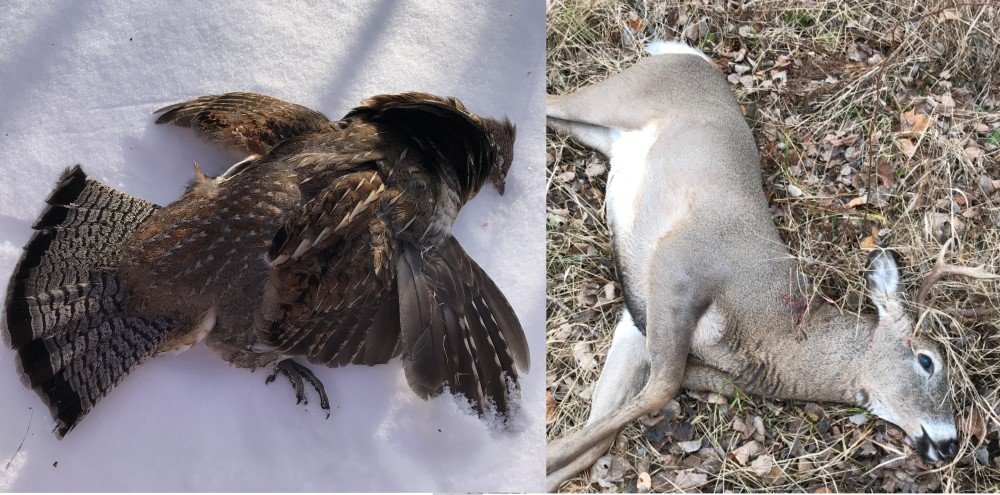
Small game typically includes animals like rabbits, squirrels, pheasants, quail, and other similar birds and mammals that are hunted for sport or food.
Ever wondered what is considered small game when planning your next hunting trip? It’s a common question, and the answer can vary slightly depending on local regulations. Generally, we are talking about smaller animals that aren’t classified as big game.
These animals usually have smaller body sizes and often require different hunting techniques and equipment. Think of those quicker, more agile species that dart through the brush or take flight.

What is Considered Small Game?
Ever wondered what hunters mean when they talk about “small game”? It’s a pretty broad term that includes a whole bunch of critters – not the big ones like deer or bears, but smaller animals that are often hunted for sport and food. Thinking about small game, imagine fluffy rabbits hopping through a field, or a colorful pheasant strutting through the tall grass. These are some of the creatures that fall under the umbrella of “small game”. Let’s dive deeper into what exactly qualifies an animal as small game and some specific examples.
Defining Small Game
The definition of small game isn’t always the same everywhere. Laws and regulations differ from state to state and country to country. However, there are some general characteristics that make an animal typically considered as small game. Generally speaking, we are discussing animals of a smaller size, usually hunted with shotguns or small-caliber rifles rather than the larger firearms used for big game. Small game animals are often more abundant than big game, and they tend to be a vital part of their ecosystems. Furthermore, the hunting seasons and the methods used to hunt them are specific in order to promote responsible management of their population.
Size Matters
One of the most crucial factors is the physical size of the animal. Small game species are, well, smaller! Think of a squirrel compared to a wild boar. That difference in size is a key factor. Typically, they weigh less and are easier to carry out of the field once harvested. These animals don’t require the same hunting methods as larger species; their agility and speed are usually the biggest challenges for hunters.
Hunting Methods
The hunting methods for small game are quite different from those used for big game. Shotguns, which fire a spread of pellets, are a popular choice for birds and small running game. Small-caliber rifles, like the .22, are favored for smaller animals like squirrels or rabbits, where precision is important. Trapping is another common method for certain small game, such as muskrats or beavers. These methods are all generally considered less dangerous than hunting big game, because they require different techniques that are safer.
Common Types of Small Game
Now that we know the basic idea of what makes an animal small game, let’s look at some of the critters that frequently fall into this category.
Upland Birds
Upland birds are a significant type of small game. These birds live on land and include a diverse range of species. Here are a few popular examples:
- Pheasants: Known for their bright colors and long tails, pheasants are a popular game bird in many regions. They are typically found in fields and grasslands.
- Quail: These small, fast birds are often hunted using dogs to flush them out from thick cover.
- Grouse: A well-known woodland game bird, grouse can be tricky to hunt due to their camouflage and ability to quickly fly away.
- Partridges: These birds are similar to quail and are found in various habitats across different continents.
Waterfowl
Waterfowl, while often considered separately from other types of birds, are also sometimes categorized under small game. Here are some common waterfowl species that hunters pursue:
- Ducks: There are many different kinds of ducks, like mallards, wood ducks, and teals, each with specific habitats and migratory patterns.
- Geese: Larger than ducks, geese are also hunted for their meat, and in some cases, to help control populations when they become problematic in urban areas.
Small Mammals
Small mammals are another significant group within the small game category. These creatures are often found in a variety of habitats and are fun for both novice and experienced hunters. Here are some typical examples:
- Rabbits: Common in many areas, rabbits are popular game for hunters, especially new hunters. They’re known for their fast movements and tricky hiding spots.
- Squirrels: Usually found in wooded areas, squirrels present a different kind of challenge, often requiring careful shooting due to their quickness.
- Hares: Similar to rabbits, but usually larger, hares are found in colder regions and can be a more challenging hunt because of their larger size and ability to move quickly.
- Muskrats: Usually found near water, they can be hunted or trapped and are valued for their fur.
- Beavers: Another type of semi-aquatic mammal, beavers are also often trapped for their fur, and their presence in waterways can have important effects on water flow and surrounding habitats.
- Raccoons: Often a pest around homes, raccoons are also hunted for their pelts.
- Opossums: These nocturnal animals can be found in various environments and are also taken for their fur, usually in the winter months.
Other Small Game
Beyond the typical examples, there are other less common, but still popular, small game animals. Here are some examples:
- Doves: A migratory game bird known for its speed and agility in flight, usually hunted with shotguns.
- Pigeons: These birds are often found in urban environments, but they also can be hunted in more natural settings.
- Groundhogs: Also known as woodchucks, groundhogs are large rodents usually found in open fields and pastures, they are often hunted for pest control purposes, as they can damage crops and create burrowing issues.
Why Hunt Small Game?
Hunting small game isn’t just about bringing home meat. It’s a great way to get outdoors, enjoy nature, and learn about wildlife. It can be a fun activity for beginners or families because it is often less demanding than big game hunting. Here are some reasons why people enjoy small game hunting:
- Accessibility: Small game hunting can be more accessible than big game hunting for many people, since it often requires less specialized equipment and it is more convenient to find hunting locations.
- Learning Opportunity: It’s a great way for new hunters to learn about tracking, shooting, and conservation efforts without the complexities of big game hunting.
- Affordability: The cost of hunting small game is generally lower, with less expensive equipment and permits, allowing more people to participate in this outdoor activity.
- Enjoy the outdoors: Small game hunting provides many opportunities to spend time outdoors, enjoy nature, and get some exercise.
- Food Source: The harvested game can be a valuable source of healthy, natural, lean protein.
- Conservation: Regulated hunting, can help manage animal populations and contribute to broader conservation efforts.
Equipment for Small Game Hunting
When getting ready to head out for a small game hunt, having the right equipment is really important. Here’s a breakdown of some of the essential tools you’ll need:
Firearms
- Shotguns: These are a popular choice for birds and other fast-moving targets. Different gauge shotguns are used, with 12 gauge, 20 gauge and .410 being common choices.
- Small-caliber rifles: Rifles like the .22 are excellent for squirrels and rabbits, where accuracy is important.
Ammunition
- Shotgun shells: Choose the right shell size and shot type for the game you’re hunting, such as birdshot for birds and buckshot for larger species.
- Rifle ammunition: Select the correct type of ammunition for your rifle, like .22 caliber rounds for small game.
Clothing
- Camouflage clothing: Helps you blend into your surroundings so that you’re not spotted easily by animals.
- Hunting boots: Sturdy, waterproof boots are important for keeping your feet dry and comfortable in various terrains.
- Safety vest: Highly visible vests, often blaze orange, can help ensure your safety, especially during hunting season.
Other Essential Gear
- Hunting Knife: Used for field dressing and cleaning game.
- Game bag or vest: To carry harvested animals.
- Binoculars: Helpful for spotting game in the distance.
- First-aid kit: Always important to carry in case of emergencies.
- Navigation tools: A map, compass, or GPS can help you stay on track.
Regulations and Licensing
Before you go hunting, it’s absolutely essential to be aware of all of the local hunting rules and regulations. These can vary greatly depending on where you live and what kind of small game you are going after.
Hunting Licenses
First off, you’ll most likely need a hunting license. To obtain a license, you may be required to complete a hunter education course. These courses are designed to teach you about safe hunting practices, ethical hunting, and local laws. Make sure you check with your state’s fish and wildlife agency for specific information regarding getting a license.
Specific Hunting Seasons and Bag Limits
Hunting seasons are different depending on the area and the species being hunted. Some small game species have very specific seasons for hunting, which can last for a few weeks or even several months, depending on the animal. Bag limits will also be included in your local hunting regulations; these limits determine the number of animals you are permitted to harvest during any hunting day or season. Regulations are designed to make sure that the number of small game remains stable and healthy in the wild.
Legal Hunting Methods
Specific hunting methods may be mandated, which could include types of firearms or the kind of bait that can be used. It is important to check your local hunting regulations prior to heading out. Some areas might restrict the use of certain types of firearms, or even the type of ammunition that is permitted. It is important to stay informed so that you adhere to all regulations.
Respect for the Environment and Wildlife
Responsible hunting includes respect for the environment, which includes the habitat, as well as the animals. Always leave the area as you found it, and dispose of any waste appropriately. Only hunt within the permitted locations and within the established hunting seasons and bag limits. Practice ethical hunting by ensuring humane harvesting techniques that minimize the suffering of animals. The conservation of wildlife depends on every hunter following these principles to help keep healthy and stable wildlife populations.
Small Game Hunting Tips
Whether you’re a new hunter or have some experience, these tips will help improve your success in small game hunting.
Scouting
Before you even start hunting, take some time to scout the area. Scouting involves going to the place where you plan to hunt and seeing where the animals have been. Look for things like tracks, droppings, and areas where the animals feed. Knowing what the area is like can help you choose where to place yourself and can greatly increase your chances of seeing game.
Patience
Patience is very important in small game hunting. Unlike big game, small animals can be more challenging because of their size and speed. You’ll need to stay still, listen closely, and be ready to act quickly. You may have to wait a long time before you see anything. The most important part is to not be discouraged when the animals do not show up quickly.
Camouflage and Concealment
Using camouflage clothing can help you blend into the environment, making it more difficult for animals to see you. Choose clothing patterns that fit your environment and terrain. Try to use natural barriers to hide, such as rocks, trees, and bushes, that will help you remain out of sight. Even subtle movements can alert small game, so stay still and quiet as possible.
Proper Shooting Technique
Practice your shooting technique, by knowing the effective range of your firearm, practicing with targets at varying distances, and making sure to handle your firearms safely. When hunting birds with a shotgun, focus on leading your target. This technique accounts for the bird’s movement, which increases your chance of a successful shot.
Using Hunting Dogs
Hunting dogs can be a great help when hunting birds, rabbits, and squirrels. They can locate animals and flush them into the open, which makes them easier to see and hunt. Breeds such as pointers, retrievers, and spaniels are all very helpful in small game hunting. With that said, there is time needed for training a hunting dog to follow commands and retrieve game effectively.
Respect and Ethics
Lastly, it’s important to practice respect for nature and ethical hunting practices. Take only what you need and follow all the local hunting regulations, and remember to dispose of waste and harvested animals responsibly. When it is time to harvest an animal, make sure to do it quickly and humanely. Following these principles will help ensure that this will continue to be a fun, responsible, and sustainable outdoor activity for many future generations.
In short, small game hunting is a wonderful activity that allows us to engage with nature, learn about the environment and animals, and even bring home food. By learning what types of animals are categorized as small game and understanding the regulations, equipment needed, and techniques, you will have many great days hunting small game. Make sure that you do your part as a hunter by respecting the wildlife, nature, and hunting laws, and always make safety the priority.
Small Game Hunting TIPS For Beginners
Final Thoughts
Small game typically includes animals such as rabbits, squirrels, and various game birds. Hunting regulations often define species falling into this category, varying by location.
Local laws clearly specify what is considered small game in each state or region. It’s important to check these rules to ensure compliance and ethical hunting practices.

