
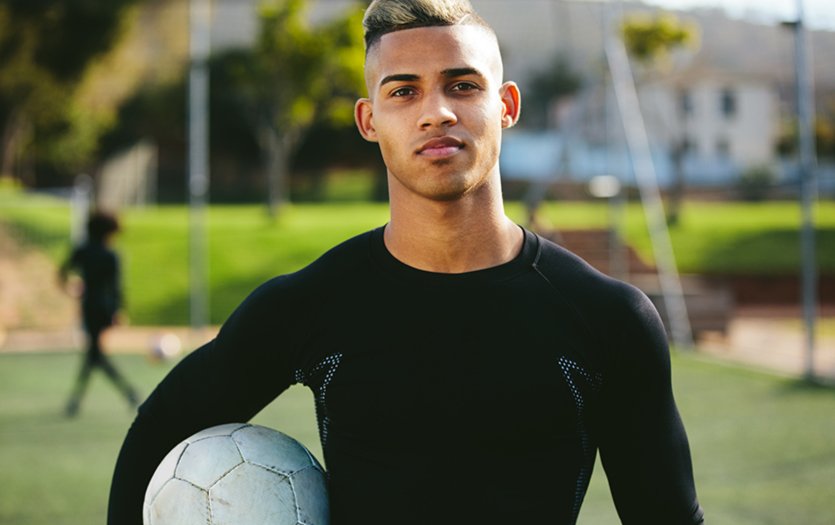
Preparing for a soccer game mentally involves visualizing success, managing pre-game jitters with deep breaths, and focusing on your specific role and team strategy.
The whistle’s about to blow, and the adrenaline is pumping. But what goes on between your ears is just as vital as your physical fitness. You see, knowing how to prepare for a soccer game mentally can make the difference between a stellar performance and a frustrating one. It’s about getting your mind ready to execute your skills.
This mental preparation isn’t magic, it’s a set of learnable skills. Think of it as fine-tuning your inner athlete, getting your mind ready to work with your body. Let’s explore how you can get yourself mentally primed for the next big match.

How to Prepare for a Soccer Game Mentally
Getting ready for a soccer game isn’t just about practicing your skills and getting your body in shape. It’s also hugely important to prepare your mind. Thinking clearly and feeling confident can make a massive difference in how you play. This part of the game, the mental side, is what separates good players from great players. Let’s dive into what you can do to get your brain ready for the big match!
The Importance of Mental Preparation
Have you ever noticed that sometimes you play really well, and other times, not so much? It often comes down to your mental state. If you’re feeling worried or distracted, it’s like trying to run with a backpack full of rocks! When your mind is sharp and focused, your body performs better. A focused mind can react faster, make better decisions on the field, and stay cool under pressure. Mental preparation can help you stay positive even when things get tough, and that’s a game-changer.
Building Confidence: Your Secret Weapon
Confidence isn’t about thinking you’re the best player ever; it’s about believing you have the ability to do well. It’s knowing you’ve trained hard and are ready for the challenge. So how do you build up that feeling? Here are a few strategies:
- Remember your successes: Think back to games where you played well. What did you do? What felt good? Bring those positive memories into the present.
- Focus on your strengths: Are you a great passer? A speedy runner? A good defender? Focus on what you do well and remind yourself of that before the game.
- Set achievable goals: Instead of saying “I need to score three goals!”, say “I will complete three passes in the first 10 minutes” small goals can build momentum.
- Positive self-talk: Be your own cheerleader. Say things like “I’ve got this!” or “I can do it!” Instead of “I’m so slow”, say “I’m getting faster every day!”
Visualization: Playing the Game in Your Head
Visualization is like watching a movie in your mind, but you’re the star! Before the game, take some time to imagine yourself playing. Picture yourself making successful passes, scoring goals, or making a great save. When you visualize, you’re actually training your brain to perform those actions, making them easier when you’re on the real field. Here’s how to visualize like a pro:
- Find a quiet spot: Sit or lie down where you won’t be disturbed.
- Engage your senses: Don’t just see yourself playing, feel the grass under your feet, hear the cheers from the crowd, even smell the freshly cut grass. The more senses you involve, the more real it feels.
- Focus on the good stuff: Visualize successful plays and positive outcomes. This helps build confidence and prepares your mind for success.
- Make it specific: Don’t just imagine “playing well.” Imagine yourself dribbling past a defender, making a pinpoint pass, or successfully blocking a shot. The more details you add, the better.
- Practice Regularly: The more you practice visualization, the easier and more powerful it becomes. Even just a few minutes each day can help.
Don’t just picture the highlights. Also visualize how you will handle challenging situations, like getting tackled or missing a shot. This helps you react better when those things happen for real during the game.
Managing Pre-Game Nerves
Feeling nervous before a game is completely normal, even the best players feel it. It’s a sign that you care! The trick is not to let those nerves take over. Here are some ideas on how to manage pre-game jitters:
Breathing Techniques
Simple breathing exercises can work wonders. When you’re nervous, you might take shallow, quick breaths. That can actually make you feel worse. Here are a couple of breathing exercises to try:
- Deep Belly Breathing: Place your hand on your stomach. Breathe in slowly through your nose, and let your stomach push your hand out. Then, breathe out slowly through your mouth. Do this a few times, and you’ll feel yourself calm down.
- 4-7-8 Breathing: Breathe in through your nose for 4 seconds, hold your breath for 7 seconds, and breathe out slowly through your mouth for 8 seconds. Repeat this cycle a few times. This can really help your nervous system settle down.
Staying in the Present Moment: Mindfulness
Sometimes, our nerves come from thinking about the past mistakes, or worrying about future results. Mindfulness is all about focusing on the here and now. Try this:
- Notice your surroundings: Before the game, take a moment to notice what’s around you. What do you see, hear, smell, or feel? This can pull your focus away from your worries.
- Focus on your body: Pay attention to how your body feels. What’s touching the ground? How are your muscles feeling? This brings your mind back into your physical self.
- Accept your feelings: Don’t try to fight your nerves; acknowledge that they are there. Simply say to yourself, “I’m feeling nervous, and that’s okay.” When you accept your feelings instead of trying to get rid of them, they become easier to manage.
The Power of Routine
Having a pre-game routine can really help you feel more in control and less anxious. It’s like having a recipe for success, and it helps your mind know what’s coming. Try these ideas:
- Warm-up rituals: Have a consistent pre-game warm-up routine that your body and mind are familiar with. It can include jogging, stretching, and doing some ball work.
- Pre-game music: Create a playlist of songs that motivate you and make you feel good. Listen to it before the game. Music can affect your mood and energy levels positively.
- Special clothes or gear: Maybe you have a lucky pair of socks, or a headband that makes you feel confident. Wearing these special items can help you get into the right mental space.
- Pre-game chat with your team: Talking to your team members before the game can help calm your nerves and remind you that you are all in this together. A quick team talk can build morale and support.
Maintaining Focus During the Game
Once the game starts, it’s easy to get distracted. Maybe you’re thinking about that one bad pass you made, or what your friends are doing off the field. But staying focused on the game is key. Here are some tips:
Staying Present and Engaged
- One play at a time: Don’t worry about what happened before or what might happen in the future. Just focus on the play that is happening right now. This prevents you from getting stuck in the past or feeling overwhelmed by the future.
- Listen to your coach: Pay attention to what your coach tells you. They’re seeing the game from a different perspective, and they are giving you advice to help you succeed.
- Communicate with your teammates: Talk to your teammates and let them know what you’re doing. This also helps you and everyone on the team stay in the moment and work together.
Dealing with Mistakes and Setbacks
Everyone makes mistakes. It’s part of the game. The difference between a good player and a great player is how they respond to mistakes. Here’s how to handle them:
- Let it go quickly: Don’t dwell on a mistake. Acknowledge it and move on. The faster you forget about it, the sooner you can focus on the next play.
- Learn from it: After the game, think about what happened and why. Was it a bad pass? Could you have positioned yourself better? Learning from your mistakes makes you a better player.
- Stay Positive: Don’t let a mistake bring your whole game down. Tell yourself, “I’ll do better next time.” Keep your head up and keep working hard.
- Don’t let it affect your effort: Even if you’re feeling discouraged, don’t stop working hard. Your effort can make a big difference. Your energy can motivate the team.
The Importance of a Post-Game Mental Check-In
The game is over, but the mental work isn’t done yet. Taking some time to reflect on the game can help you improve for next time.
Reflect on Your Performance
- What went well? Think about what you did well in the game. What plays are you proud of? Remind yourself of these successes so you can carry them with you into future games.
- What can you improve? Think about what you could have done differently. This is not about blaming yourself; it’s about identifying areas for growth.
- What did you learn? What did you learn about the game, about your opponents, and about yourself? These lessons will make you a stronger player.
Adjust and Get Ready for Next Time
- Set small goals: Use the lessons you learned to set some small goals for your next training session. Work on what you need to improve on, so you’re constantly getting better.
- Positive Attitude: Always approach your next game with a positive mindset. Even if you didn’t play as well as you wanted, approach it with confidence and hope for improvement.
Using Mental Training Regularly
Just like you practice your soccer skills regularly, you need to practice your mental skills as well. The more you train your mind, the better you’ll be at managing your thoughts and emotions. Here are a few ways to do that:
- Daily visualization: Take a few minutes each day to visualize yourself playing soccer well. It’s just like practicing, but in your imagination.
- Mindfulness meditation: Even a few minutes of mindfulness practice a day can help you become more aware of your thoughts and emotions, so they don’t control you during games.
- Positive self-talk: Consciously practice speaking positively to yourself throughout the day. Challenge any negative thoughts. Over time, this helps you believe in yourself.
Consistency is key. The more you work on these mental skills, the better you will be at using them when you really need them during a game.
Preparing mentally for a soccer game is like tuning an instrument before a concert. When your mind is ready, your body will follow. Remember to build your confidence, practice visualization, manage your nerves with breathing and routine, stay focused during the game, and learn from each experience. Mental training is a powerful tool that can help you become a better soccer player and person. Keep practicing, and you’ll see how much of a difference it makes!
How to Mentally Prepare for a Sports Match or Event (ULTIMATE Guide)
Final Thoughts
Mental preparation is crucial. Visualize success, plan your actions, and remember past achievements. Positive self-talk builds confidence.
Control your pre-game anxieties by using breathing exercises. Focus on the present moment and avoid dwelling on past mistakes. You must believe in your ability.
To conclude, understanding how to prepare for a soccer game mentally involves positive thinking, planning, and relaxation techniques. Proper focus will get you ready for the match.

