
To save a game in Dolphin Emulator on Android, use the in-game save function provided by the specific game you are playing, just like you would on a console.
Ever been deep into a GameCube or Wii adventure on your phone and worried about losing progress? It’s a common concern for anyone enjoying retro gaming through emulation. Knowing how to save game in dolphin emulator android is crucial. We’ll break down the simple process so you can pick up where you left off anytime. This ensures you can enjoy your classic games without losing progress.

How to Save Game in Dolphin Emulator Android
Playing your favorite GameCube and Wii games on your Android phone with Dolphin Emulator is super fun. But what happens when you need to stop playing? You definitely don’t want to lose all your progress! That’s why learning how to save your game is really important. This guide will show you everything you need to know about saving your progress in Dolphin Emulator on Android, making sure you can always pick up right where you left off. We’ll cover different ways to save, troubleshoot common problems, and even give you some tips to keep your saves safe.
Understanding Dolphin Emulator Save Methods
Dolphin Emulator, unlike actual GameCube and Wii consoles, offers a few ways to save your game. Knowing these different methods will help you decide which one works best for you.
In-Game Saves
Just like on a real console, many games use their own built-in save systems. This means you usually save by finding an in-game option, like a save point or menu option within the game itself. For example, in a Mario game, you might save your game by finding a flagpole or pressing start to access the save menu. These in-game saves work very similarly on Dolphin. If the game you’re playing has this kind of save, it’s usually the most reliable method.
Here’s how in-game saves generally work:
- Open the game and play.
- Look for the game’s save menu or saving point.
- Select the save option within the game itself.
- The game will save to a file, which is stored with your other Dolphin Emulator data.
The important part here is, that this in-game save feature is same as you used on the real console. It is highly recommended to use the in game save feature if it is available in the game.
Dolphin Emulator Save States
Dolphin also has a special feature called “save states.” Save states are like taking a snapshot of your game at any given moment. You can save your exact position, the character’s health, time, and everything, regardless of what the game allows. These are extremely handy, especially if you need to stop playing suddenly or before reaching an in-game save point. They’re also great for experimenting with difficult parts of the game; you can make a save just before a tough challenge and reload if you fail without needing to replay the whole level.
Here’s how save states work:
- While you are playing a game, go to the Dolphin Emulator menu.
- Find and press the option to save state.
- Choose an empty slot and save.
- To reload a save, go to the Dolphin menu and load the save state.
It’s important to note that, when you using save states to save your game on dolphin emulator then it is not depend on the game itself that is how it save the games or how it work in game, save state is purely dolphin emulator’s feature. It saves the whole game state at the specific moment.
Save State Slots:
Dolphin usually gives you multiple slots for save states. This lets you create different save points for different parts of the game. For example, you might make a save state before a boss battle and another one before exploring a new area. When you save, choose a new slot each time to avoid overwriting the saves you want to keep. Here’s a list of commonly used keys for save state functionality:
- Save State: Usually mapped to “F1” on a keyboard, but this might be different on your touch screen setup.
- Load State: Usually mapped to “F2” on a keyboard or a touch screen command.
- Previous Save Slot: This key is usually mapped as “F3” on keyboard.
- Next Save Slot: This key is usually mapped as “F4” on keyboard.
Setting Up Your Dolphin Emulator for Saving
Before you start saving your game, let’s make sure your Dolphin Emulator is set up correctly. This includes checking your controller settings and storage permissions.
Controller Setup
First, make sure your controller is correctly set up. Whether you are using a touch screen or a physical controller, you need to make sure that all the buttons are properly mapped. Go into your Dolphin settings. Look for the controller configuration area. Make sure that all your controller buttons are assigned to the right controls. If you’re using a touch screen, make sure your touch controls are in the places that you find most comfortable.
Here’s how you might check and set up controllers:
- Open Dolphin Emulator and tap on settings.
- Look for Controller settings.
- Assign the buttons on your external controller if you are using one, or adjust touch screen control positions.
- Test your settings in a game to make sure everything is working right.
Storage Permissions
Dolphin Emulator needs permission to store saved game files on your device’s storage. If you didn’t allow it when you first started the app, you might need to enable these permissions manually. Here’s how you can do that on most Android devices:
- Go to your Android phone’s settings.
- Find “Apps” or “Applications”.
- Look for and tap on “Dolphin Emulator”.
- Select “Permissions”.
- Make sure “Storage” permission is enabled. Usually, you have to turn “allow all the time” option on.
Step-by-Step Guide to Saving Games
Now let’s go step-by-step on how to save your games using both methods.
Using In-Game Save Function
Most games for GameCube and Wii use their own save system, just like the real consoles. If your game has this feature, use these steps to save your progress:
- Start your game in Dolphin Emulator.
- Play until you reach a place where you can save the game in game menu.
- Follow the on-screen instructions to save. This might be in the main menu or at a special in-game location.
- Wait for the game to complete saving. This could be shown by a loading bar or a message.
- When you start the game next time, load your saved game from main menu or load game screen.
Using Save States
If the game doesn’t have a built-in saving feature, or if you want to save your progress at a specific moment, save states are your best bet. Here’s how to create and use save states:
- Launch your game in Dolphin Emulator.
- Play to the spot where you would like to save.
- Open the Dolphin menu. On touch screens this is done by tapping the screen and selecting menu or by pressing back button.
- Select “Save State”.
- Choose an empty save slot.
- Wait until the emulator shows you have saved successfully.
- If you want to load your save, open the Dolphin menu, and select “Load State”.
Remember, the slot you choose when saving your state matters. If you save a new state into the slot that already has a saved state in it, you will overwrite the old one. So be careful to use an empty slot each time, if you want to keep your previous saves.
Managing Your Save Files
Knowing where Dolphin saves your game data is very useful for things like transferring games or backing them up. So, let’s talk about that now.
Where Save Files Are Stored
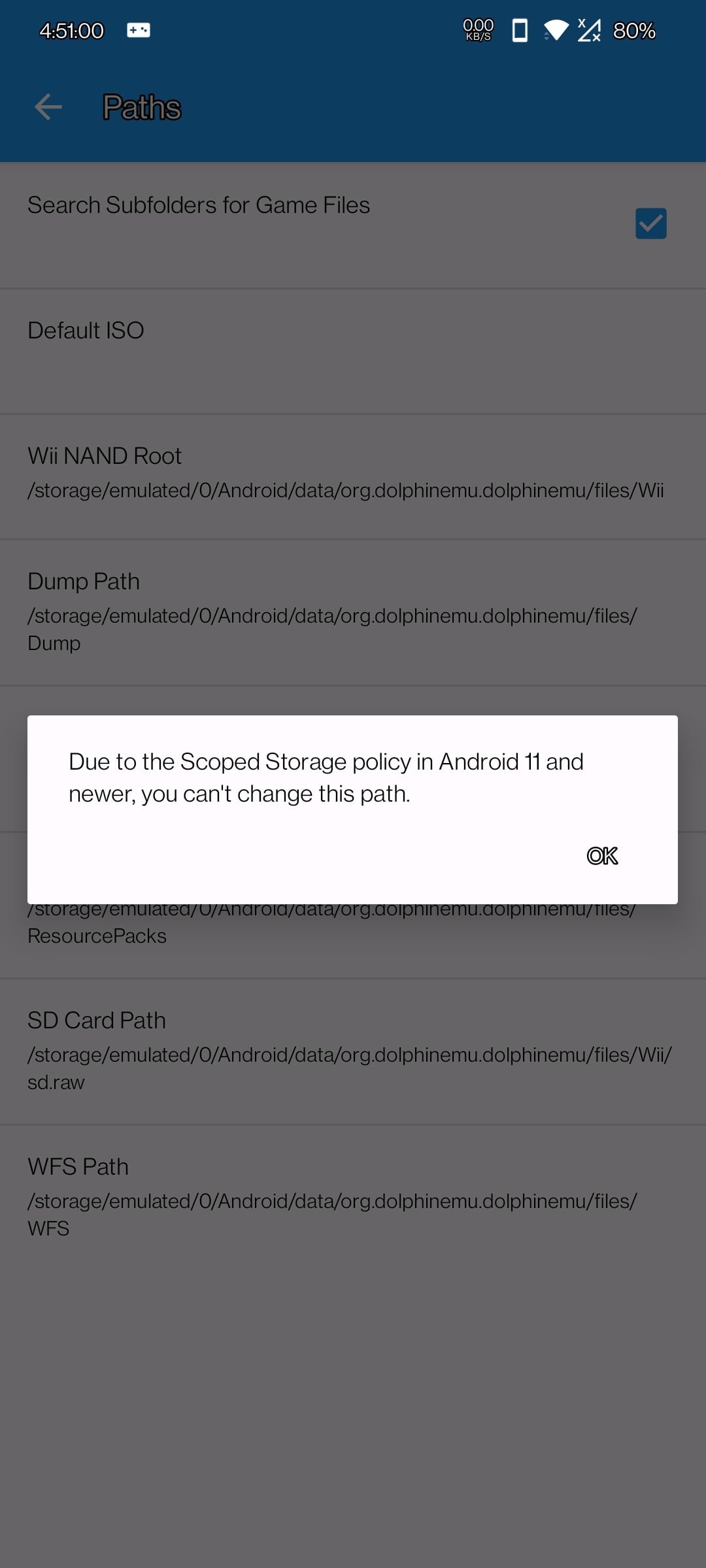
Dolphin stores your save files and save states in specific folders on your Android device. Knowing these locations will be helpful if you ever need to back up or transfer your saves to another device. The exact location might differ a bit based on your android version and Dolphin Emulator version, but here’s the general idea:
- Game Saves (In-Game Saves): These are usually stored within the Android/data/org.dolphinemu.dolphin/files/GC/ directory. This will be different for Wii game save files. They are stored on Android/data/org.dolphinemu.dolphin/files/Wii/. You’ll see a folder for each game you play, inside each game folder the files are named differently.
- Save States: Dolphin saves the save states in the Android/data/org.dolphinemu.dolphin/files/Saves/StateSaves folder. Here you’ll find files named after your games with a number to show the slot number.
You can see these folders using your phone’s file manager app. It is not possible to access these folders if you are using old file manager app. You have to use the file manager app that can show hidden files or the ones that can see the folder under the android/data directory.
Backing Up Your Saves
Backing up your save files is crucial to avoid losing your progress. Here’s how you can do it:
- Use a file explorer app on your Android device.
- Go to the folder with your save files (Android/data/org.dolphinemu.dolphin/files/GC/, Android/data/org.dolphinemu.dolphin/files/Wii/, Android/data/org.dolphinemu.dolphin/files/Saves/StateSaves).
- Select the save files you want to back up.
- Copy or move the selected files to a safe location, like Google Drive, a USB drive, or another folder on your device.
It’s a good idea to back up your saves regularly, especially if you’re playing a long or hard game.
Transferring Save Files
Transferring your save files is useful if you want to play on a new device or even on a computer. Here is how to do it:
- Back up the save files from your original device (See how to back up your saves above).
- Connect your new device or computer to the storage media, where the save files are backed up.
- Copy the save files from the backup to the same directory as the dolphin emulator’s save directory. Make sure that you copy the files in the exact location, if you don’t copy the files in the correct directory, the emulator will not be able to access your saved data.
- Now your saved data will be on new device.
Remember to have the correct Dolphin Emulator versions on both devices, as different versions might not be compatible.
Troubleshooting Save Issues
Sometimes, saving games on Dolphin Emulator might not work the way you expect. Here are some solutions to common problems.
Save Games Not Loading
If you are having trouble loading your saved game, check the following:
- Check Save File Location: Make sure your save files are in the right place. Dolphin might not find them if they’re in the wrong folders.
- Check Dolphin Version: If you have changed Dolphin version, then there is a chance that your current dolphin version is not compatible with previous version’s save files. Try playing the save files on old version.
- Check File Integrity: Make sure the save files are not broken. The files can get damaged when you are copying or moving the files between folders.
- Try a Different Save Slot: if you saved your game on the same slot and you can not access your game again, then there might be some issue with the slot itself, try a different slot to see if the problem solves.
Save States Not Working
If you are facing any issue regarding the save states, try the following tips:
- Check for Compatibility: Some game versions can have issues with save states, try to use different version of the game.
- Try Different Save Slot: Some specific save slots might cause the issue, trying the same thing on the different slot might fix the issue.
- Restart Dolphin: try restarting Dolphin Emulator if you think that emulator has some issue.
Storage Issues
If Dolphin doesn’t have permission to save to your device’s storage, your saves won’t work. Make sure you have given the app the needed storage permission. Check the ‘Storage Permissions’ section of this guide to see how to allow storage permissions on your android device. It might also help to have enough space on your phone. If you are running out of space, then Dolphin might not work properly.
Tips for Smooth Saving
Here are a few tips that will make saving your games on Dolphin Emulator easy.
- Save Regularly: Save your game often, especially before doing anything risky in the game. If you are playing a game for long hours, then save the game after some specific time limit.
- Use Both In-Game Saves and Save States: Combining in-game saves and save states can give you better protection against losing progress. Use the save states to save at difficult parts of a game, and use in-game save feature to make progress in the game.
- Label Your Save States: If you can, label your save states so you remember which save is which. While dolphin does not have any features for labeling, but you can use notes or other ways to label your saved states.
- Keep Your Saves Safe: Back up your save files regularly to avoid losing your progress due to software crashes or accidental data deletion.
By using both save states and in game save features, you will be able to save a lot of your games on dolphin emulator.
Saving your games in Dolphin Emulator on Android doesn’t have to be difficult. With in-game saves and save states you have multiple ways to keep your progress safe. Remember to backup your save files regularly to protect your hard work! By following this guide, you will be able to save your progress in your favorite games, and keep them safe. Now go and enjoy the games.
How to disable and enable save states on dolphin emulator and how to check if they are on or not.
Final Thoughts
To save your progress, use the in-game save feature. Most games support this method, which is typically found within the game’s menu. This way, you can continue your adventures later.
Dolphin also provides save states for another method. Access these via the emulator’s menu during gameplay. This allows you to save at any moment and load that exact point. Remember, how to save game in dolphin emulator android uses these techniques.

