
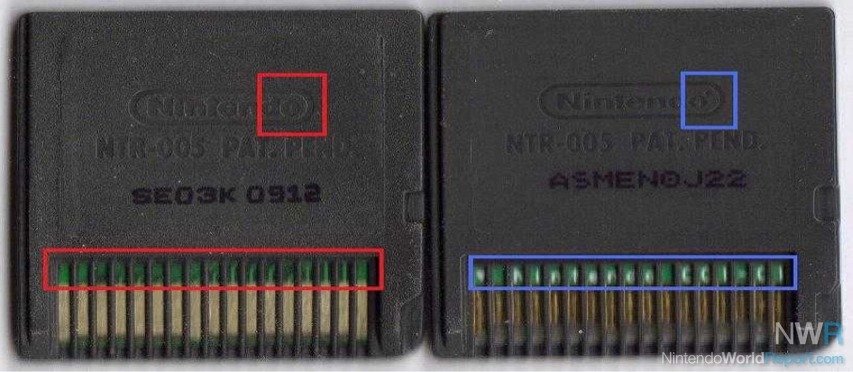
‘To spot a fake DS game, carefully examine the cartridge label for misspellings or low-quality print, check the case for incorrect logos or cheap plastic, and verify the game’s legitimacy by testing its functionality on your Nintendo DS.’
Ever bought a game that felt…off? The vibrant world of Nintendo DS gaming, unfortunately, isn’t immune to counterfeiters. They produce games that may look genuine on the surface, but are actually quite poor copies. You need to know how to spot a fake DS game to protect your collection.
It’s frustrating to realize you’ve been tricked by a fake. These copies often have issues like poor translation, game crashes, or they simply won’t save properly. We need to become aware of these things before wasting our money.

How to Spot a Fake DS Game
Okay, so you’re super excited to play that awesome Nintendo DS game you just got, right? But wait a minute… something feels off. Maybe the case looks a little funny, or the game doesn’t quite act the way it should. It’s possible you might have a fake on your hands. Don’t worry, this guide will help you become a pro at spotting fake DS games. We’ll dive into all the important details, so you can avoid getting tricked and keep your collection real! So, let’s get started with some key things to look out for.
The Cartridge Case: The First Clue
The very first thing to inspect is the game cartridge itself. It’s often where the most obvious mistakes show up.
Color Variations and Material
Real DS game cartridges are made from a high-quality, smooth plastic. They have a specific shade of gray, sometimes with a hint of a dark tint. Fake cartridges can come in all sorts of colors, like a very light gray, a shiny white, or even black – colors that Nintendo never used for official cartridges.
Look closely at the plastic. Is it smooth and feels well-made, or does it feel flimsy, thin, and cheap? If it feels like it could easily crack or bend, that’s a big red flag. Real cartridges are sturdy and durable. They feel solid in your hands.
The Label: A Close Examination
The label on a real DS game cartridge is printed with high-quality ink and is precisely applied to the cartridge. It’s usually glossy and very clear. Here’s what to focus on:
Print Quality: Fake game labels often have blurry, pixelated, or faded printing. The text might look fuzzy, and the colors might be off. Real labels have sharp, crisp text and vibrant colors. If you see any signs of poor printing, be suspicious.
Font and Alignment: Carefully examine the font used on the label. It should be the same font used by Nintendo. Fakes often get this wrong, using a slightly different font or having incorrect spacing between letters. Also, make sure the text and images are aligned correctly. If they’re crooked or off-center, that’s a sign of a fake.
Nintendo Logo: Always check for the official Nintendo logo, it is usually found near the bottom of the label or on one side of the cartridge. The logo on genuine games will be very clear, crisp, and the correct shape. Fake games often have blurry, misshapen or wrong shade of color Nintendo logos. Pay close attention to details like the thickness of the lines in the logo.
Game Title: Check the game title closely. Does it look the same as what you see on an official picture of the game cover? Make sure there are no spelling errors or letter inconsistencies. A mistake here is a sure sign of a fake.
ESRB Rating: Look for the ESRB rating symbol (E for everyone, T for Teen, etc.) on the label. Fakes might have this missing, badly printed, or incorrect.
Trademark: Official games will have the trademark symbol (™) next to the game title. If this is missing, or is not in the correct location, it’s a sign of a fake.
The Cartridge Code
Each real DS game cartridge has a unique code printed on the label, usually near the bottom of the label. This code is important because it’s how you know your cartridge is from a legitimate source.
Code Matching: The code on the cartridge label should match the code printed on the game case. If the codes do not match or the code is not present on the cartridge, you have a fake. Also make sure that the code is not just a random number sequence but a real code.
Font of Code: Make sure that the code is printed in the standard font that Nintendo uses. Sometimes fake cartridges print these codes in weird fonts or with incorrect spacing.
The Connection Pins
The gold-colored connection pins on the bottom of the cartridge are also important. These are the little metal pieces that connect to your DS console.
Cleanliness: Genuine cartridges have clean and shiny connection pins. Fake cartridges often have pins that look dull, dirty, or even have signs of rust or corrosion. The pins are often not well aligned, and that’s another sign of a fake.
Quality: Real connection pins are made from high-quality materials and fit perfectly into the DS slot. Fake cartridges may have pins that are too thick or too thin, making them hard to fit, or not read correctly.
The Game Case: Examining the Packaging
The game case is more than just plastic that holds the cartridge; it is part of the official release. It’s a vital piece of the puzzle.
The Case Quality
Material: Genuine Nintendo DS game cases are made of high-quality plastic that feels smooth and sturdy. The plastic will not feel flimsy or break easily. Fake game cases often use cheap, thin plastic. They might be prone to cracking or breaking easily.
Printing: The artwork on the case should be clear, with vibrant colors and sharp text. Fake game cases often have blurry, pixelated, or faded printing, or the colors might appear washed out. Look closely at any logos, text, or images.
Hinge: Check the hinge of the case. It should be smooth and durable. Fake cases often have hinges that are flimsy or break easily, or don’t open and close smoothly.
Fit: Does the game cartridge fit snugly inside the case? A real cartridge will fit perfectly into the case without any wiggle room. A fake case often has loose fit or the cartridge may be too hard to take out or place back in.
Case Artwork and Inserts
Correct Artwork: Make sure that the artwork on the case is exactly the same as the official game cover, including all the same logos, images, and text. Compare it to official sources online, if possible.
Inserts: Some DS games came with manuals or inserts. These inserts should also be of the highest quality, with crisp printing, no spelling errors and correct formatting. Fakes often skip inserts or provide low-quality ones.
Spelling Errors: Carefully read all the text on the case and inserts. Fakes might have spelling errors or grammatical mistakes. These are big red flags.
The Nintendo Seal of Quality
Location: Check for the Nintendo Seal of Quality. It should be prominently displayed on the game case, usually on the spine or the front. It is also on the cartridge label.
Quality Check: Make sure that the seal is correctly printed, with no smudging or fading. The seal will be very clear, crisp, and the correct shape and colors. Fake seals are usually blurry, misshapen or incorrect colors.
Gameplay and Performance
Even if the game cartridge and case look convincing, the real test is how the game plays. The gameplay can tell you a lot about the legitimacy of your game.
Loading and Saving Issues
Slow Loading: Real DS games load quickly, and the games should start playing right away. If your game takes a very long time to load, or if it gets stuck on a loading screen, it’s a potential sign of a fake.
Saving Problems: Genuine games will save and load game progress without any errors. If your game has trouble saving your progress, or if saved games disappear, this is a big issue and a good indicator it is a fake. Fake games often have problems writing to the save data of the game.
Glitch and Bugs
Frequent Glitches: If the game freezes, glitches, or shows strange graphical errors, it could be a fake. While some games might have very minor bugs, major problems are often signs of a poorly made copy.
In-Game Issues: Pay attention to how the game itself runs. If characters move strangely, the sound is off, or if parts of the game are missing, it’s likely a fake. Games should run smoothly, without any noticeable errors.
Language Differences
Incorrect Languages: If the game plays in a language that isn’t from your region, or if you see text in the game that is not your correct language, this can be a sign of a fake game. Check the game settings, see if it allows you to change the language, and check if the game matches your region.
Translation Errors: If the game has strange or incorrect translations, this may be an indicator that the game is fake. Real Nintendo games are professionally translated, while fake games may have poor translations or missing words.
Where You Bought the Game
The place you get your game from can be a big clue about its legitimacy.
Reputable Sellers
Trusted Retailers: Always try to purchase your games from trusted retailers, like big department stores, electronic stores, or official online sellers. These retailers have very strict policies about selling authentic items.
Used Game Stores: When buying used games, look for well-established used game stores, as they usually check the games for authenticity before selling them.
Avoiding Red Flags
Online Marketplaces: Be very cautious when buying games from online marketplaces such as eBay, Craigslist, or similar sites. These often have lots of sellers, and it can be difficult to tell who is selling real games and who is not.
Too Good to Be True: If a deal sounds too good to be true, it probably is. Fake games are often sold at very low prices. Real DS games maintain a certain value, even the older ones.
Seller Ratings: Always check the seller ratings and reviews. If the seller has a lot of negative feedback, avoid them. Pay attention to comments about the seller selling fake items or if they are dishonest sellers.
Price Comparison
The price of a game can sometimes give you clues about its authenticity.
Normal Prices
Market Value: Research the average price of the game you are trying to purchase, both new and used. Real DS games have a market value, and they are very rare for them to be sold at much lower price then the current market value.
Too Low Price: If the game is being sold at a price that is much lower than the typical price for that game, be very suspicious. It’s a red flag.
Price Variance
New vs. Used: Be aware of the difference in price between new and used games. Used games are always priced lower, but should still have a fair market value.
Condition: Consider the condition of the game when comparing prices. A game that is in excellent, like new condition, will cost more than a game with a damaged case or a scratched cartridge.
A Quick Checklist
To make it easier, here’s a checklist you can use:
Cartridge:
Check the color and feel of the plastic.
Inspect the label for quality, font, and spelling.
Look for the Nintendo logo and cartridge code.
Check the connection pins.
Case:
Examine the case’s material and printing.
Verify the artwork and inserts.
Look for the Nintendo Seal of Quality.
Gameplay:
Check loading times and saving.
Be aware of glitches and bugs.
Look out for language issues.
Seller:
Buy from trusted sources.
Avoid deals that seem too good.
Check seller ratings.
Price:
Compare the price to the current market value of the game.
Be careful with very low prices.
By paying close attention to these details, you can greatly reduce your chances of getting tricked by fake DS games. If you are careful, you will always be able to tell the difference between a real game and a fake one. Remember that taking your time and double-checking is better than purchasing a fake game.
Remember to always be cautious when buying games, especially from unknown sources. With a little extra attention and care, you can keep your collection of real DS games safe and enjoyable. It’s always better to be careful and smart, so you will not get tricked into buying a fake game.
How to spot a FAKE DS cartridge…
Final Thoughts
To summarize, check the label’s printing quality, and verify the game’s cartridge color. A fake often has a misaligned or faded label. The cartridge plastic may feel cheaper.
Examine the game’s packaging closely for any spelling errors and compare it with images of authentic boxes online. These are key ways to avoid fake games. Knowing how to spot a fake DS game means protecting your money and game collection.

