
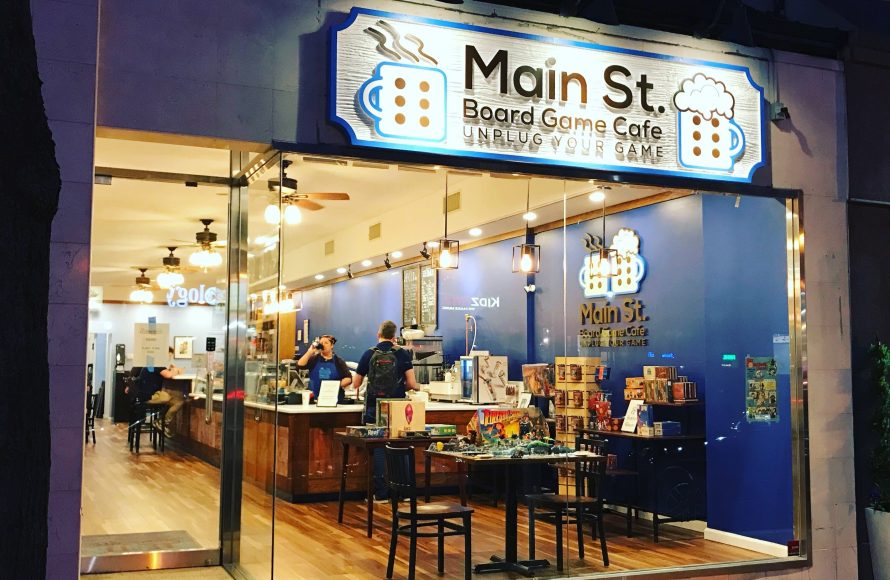
Starting a board game cafe requires a solid business plan, securing funding, sourcing games, finding a suitable location, and obtaining necessary licenses.
Ever dreamt of a place buzzing with friendly competition and the clatter of dice? You’re not alone. Many people imagine owning a space where the joy of board games brings people together. That’s where the question of ‘how to start a board game cafe’ takes center stage.
Turning this dream into reality involves careful planning and execution. From selecting the perfect location to curating an engaging game library, many crucial steps determine success. This article will guide you through those essential stages.

How to Start a Board Game Cafe: A Step-by-Step Guide
So, you love board games and you dream of opening a place where others can share that joy? That’s fantastic! Starting a board game cafe can be a really fun and rewarding adventure. It’s more than just setting up tables and shelves; it’s about building a community. But where do you even begin? Don’t worry, we’re going to break down the whole process into easy-to-follow steps. Let’s get started on your journey to opening your very own board game cafe!
Planning Your Board Game Cafe
Before you even think about buying games, you need a solid plan. This is where you lay the foundation for your success. Think of it like planning the layout of a big, complex board game before you start playing – you need to know the rules and have a strategy.
Defining Your Cafe’s Concept
First, what kind of atmosphere do you want to create? Will your cafe be bright and family-friendly, or have a cozier, more adult feel? Thinking about the vibe will help you make decisions later on. Here are a few questions to ask yourself:
- Who is your target audience? Families, students, serious gamers, or a mix?
- What type of games will you focus on? Classic family games, strategy games, card games, role-playing games, or a good blend?
- Will you offer food and drinks? Simple snacks, full meals, coffee, or alcoholic beverages?
- Will you host events? Game nights, tournaments, workshops, or special themed evenings?
These questions help you narrow down your niche and create a unique cafe that stands out. For example, if you’re going for the family-friendly option, having a kids’ play area or toys for young children may be beneficial. For serious gamers, having a vast collection of complex strategy games may be helpful.
Creating a Business Plan
A business plan is like your roadmap. It lays out everything you need to know about starting and running your board game cafe, like financial projections, your menu, and your marketing ideas. Here are the key parts of a business plan:
- Executive Summary: A short overview of your cafe concept.
- Company Description: Details about your business, mission, and goals.
- Market Analysis: Understanding your competition and target audience.
- Products and Services: What you will offer, including games, food, and events.
- Marketing and Sales Strategy: How you will attract customers.
- Management and Operations: How you will run your cafe day-to-day.
- Financial Plan: Your startup costs, expenses, and revenue projections.
Writing a business plan may sound daunting, but there are lots of templates and resources available online. This plan is not just for you; it’s often needed when seeking funding.
Securing Funding
Starting any business requires money. Think about how you will pay for the space, the games, and all the other things needed to get your cafe going. Here are some common ways to find funding:
- Personal Savings: Using money you’ve already saved up.
- Loans: Getting a loan from a bank or other lending institution.
- Investors: Finding people who will invest in your business in exchange for a share of the profits.
- Crowdfunding: Raising money through online platforms like Kickstarter or GoFundMe.
- Small Business Grants: Applying for grants from government or private organizations that support small businesses.
Prepare to explain your business plan well and to convince people that your idea is worthy of their investment. Remember to research the requirements for each method and determine what fits your situation best.
Finding the Perfect Location
Your cafe’s location can greatly impact its success. Choosing the right spot is crucial. Here are the things you need to consider:
Accessibility and Visibility
You want a spot that’s easy to get to and easy to see. Look for places that are:
- Located in a busy area: Near other businesses or attractions, in a shopping center, or close to public transportation.
- Visible from the street: Easy for potential customers to notice.
- Has ample parking or is close to public transport: This ensures that your cafe is accessible for everyone.
If your location is difficult to reach, people are less likely to visit. So, accessibility is key.
Size and Layout
Your space needs to be big enough to hold all your customers, your games, your food and drink preparations area, and, possibly, some private event rooms. When evaluating potential locations, consider these:
- Enough space for tables and seating: You need enough room for people to play comfortably.
- Storage for games: Shelves or cabinets to display and store your collection.
- Space for a counter or bar: Where you will take orders and serve food and drinks.
- Adequate restrooms: A must-have for any public space.
- A kitchen or food preparation area (if needed): For prepping your food offerings.
- Space for staff: An area where your staff can take breaks or prepare orders.
Think carefully about how your customers will flow through the space. A well-planned layout can encourage people to stay longer and play more games.
Cost and Lease Terms
The cost of renting or buying a space can be a big expense. Be sure to consider these items before making a final decision:
- Rent or mortgage payments: Can you comfortably afford the monthly payments?
- Lease terms: How long is the lease for, and are there any restrictions?
- Additional costs: Will you have to pay for repairs, improvements, or permits?
Negotiate your lease and budget for any additional costs. A good deal can make a significant difference in your financial success.
Building Your Game Library
The heart of any board game cafe is, of course, the games! Building a great collection is important for keeping your customers happy and coming back for more. Here’s how to do it:
Selecting Games
You need a variety of games for different ages, interests, and player counts. Think about:
- Variety: A mixture of classic games, strategy games, card games, and party games.
- Player Counts: Games that can accommodate different numbers of players, from solo games to large group games.
- Difficulty Levels: Games that are easy to learn for beginners, as well as more challenging options for experienced players.
- Theme: A mix of different themes like fantasy, sci-fi, historical, etc., to appeal to various interests.
Do research to see what games are popular, and be prepared to update your collection regularly with new releases.
Purchasing Games
Buying all the games at once can be expensive. Here are some options to consider:
- Purchasing new games: From game stores, online retailers, and publishers.
- Buying used games: From online marketplaces, garage sales, or game stores that sell used games.
- Borrowing games: From friends, family, or even a local library.
- Partnerships: Talk to game publishers about providing some games for free in return for them advertising their product in your cafe.
Consider using a combination of these methods to get a good collection without spending too much at once. Keep track of all of your games and how often they are played to help with purchasing decisions in the future.
Organizing and Maintaining Games
Keeping your games organized and in good condition is essential. Here are some tips:
- Storage: Shelves or cabinets to organize games by type or category.
- Protection: Plastic sleeves for cards and containers for small pieces.
- Maintenance: Regular checks to make sure all the pieces are there and games are still playable.
Label your games clearly, so players can find them easily. A well-organized game collection will make for a better customer experience. It is also a good idea to get regular feedback from your customers about what games they would like to see in your collection.
Setting Up Your Cafe
Once you’ve secured your location and started building your game collection, it’s time to set up your cafe. Think about creating an inviting atmosphere that encourages people to relax, play games, and socialize.
Furniture and Decor
Choosing the right furniture and decor will create the kind of ambiance you are looking for. Consider these factors:
- Comfortable seating: Chairs and tables that are comfortable for playing games.
- Lighting: Good lighting for playing games but warm enough for a relaxing atmosphere.
- Decor: Posters, artwork, and other decorations that fit your cafe’s theme.
- Ambiance: Consider incorporating plants, or other elements to create a pleasant and inviting space.
Create a space that is both functional and visually appealing. The goal is to make people feel comfortable and welcome.
Point of Sale System
You’ll need a good system to manage transactions, keep track of sales, and handle reservations. A good point of sale system will include:
- Easy ordering: To take orders quickly and accurately.
- Inventory management: To track your stock of food, drinks, and other items.
- Payment processing: To handle cash, credit cards, and other forms of payment.
- Reporting: To track sales and manage your business effectively.
Take time to choose a system that is user-friendly and fits your specific needs. Research different POS options and select one that is within your budget. Some POS systems can be integrated with other programs to make managing other aspects of your business, such as accounting, easier.
Food and Beverage Service
If you plan to serve food and drinks, you’ll need to think about:
- Menu: Offering a variety of snacks, meals, drinks, or perhaps alcohol, depending on your license and concept.
- Equipment: Ovens, refrigerators, coffee machines, and other equipment for food preparation.
- Supplies: Plates, cups, cutlery, and other serving materials.
- Regulations: Be aware of local food safety guidelines and requirements.
Keep your menu simple and easy to manage. Prioritize quality over quantity. Remember that good food and drinks will make your customers want to stay longer and return again.
Managing Your Board Game Cafe
Opening your cafe is just the beginning. You also need to manage it well to ensure its success. Here are some key areas you need to focus on:
Staffing
Hiring the right people is very important for any business, especially one that requires interaction with customers. You will need people to greet and seat customers, to serve food and drinks, to clean and help maintain the cafe, and, most importantly, to guide customers through the collection of games. Look for staff who are:
- Friendly and outgoing: Who enjoy interacting with customers.
- Knowledgeable about games: Who can help customers choose games and explain the rules.
- Reliable and responsible: Who are dependable and can handle the demands of running a cafe.
Train your staff well, treat them fairly, and create a positive working environment. It will greatly impact customer satisfaction and overall success.
Marketing and Promotion
How will people know about your amazing cafe? Here are a few strategies for marketing your new business:
- Social Media: Use platforms like Facebook, Instagram, and Twitter to post photos, announce events, and interact with customers.
- Local Advertising: Place ads in local newspapers, magazines, or community bulletin boards.
- Partnerships: Connect with other local businesses or groups to cross-promote your cafe.
- Events and Promotions: Organize themed game nights, tournaments, and special promotions to attract new customers.
- Website or Blog: Keep your website updated with information, photos, and news about the cafe.
Start marketing your cafe well before you open. Consistency is key. The more you engage with your audience, the more customers you will attract.
Customer Service
Providing good customer service is what will keep people coming back. Here are some important customer service skills to master:
- Welcoming: Greet customers with a smile and make them feel welcome.
- Helpful: Be ready to answer questions, give recommendations, and help customers choose and learn games.
- Attentive: Pay attention to customer’s needs and be proactive in resolving any issues.
- Positive attitude: Always remain friendly and helpful, even when under pressure.
- Feedback: Be open to customer feedback and use it to improve your services.
Remember that excellent customer service is key to creating a loyal customer base. Happy customers will often tell their friends about their experience, providing word-of-mouth advertising that is free and invaluable.
Daily Operations
Managing daily operations involves keeping everything running smoothly, from opening to closing. This includes:
- Opening and Closing Procedures: Creating checklists for each task ensures all necessary tasks are done every day.
- Inventory Management: Keeping track of games, food, drinks, and other supplies.
- Cleaning and Maintenance: Ensuring that your cafe is clean, safe, and well-maintained.
- Scheduling: Manage staff schedules and ensure coverage for all shifts.
- Financial Tasks: Track and manage payments, sales, and other financial data.
Consistency is key. Keep track of all your daily tasks. The smoother your daily operations, the better your cafe will run.
Opening a board game cafe is an exciting undertaking. With a good plan, hard work, and a love for games, you can build a successful and thriving business that brings joy to many people. The steps are clear: planning, funding, location, game selection, set-up, and management. By taking it one step at a time, your vision can come to life. Remember to be adaptable, creative, and always listen to your customers. Good luck and have fun!
Small Business Chronicles – Board Game Cafe?
Final Thoughts
Planning, permits, and a good game selection are crucial. Securing funding and a comfortable location comes next. Remember, marketing attracts customers and good customer service ensures they return.
Consider staffing carefully; trained employees are must for smooth operations. Focus on community building through events. Now you know how to start a board game cafe.

