
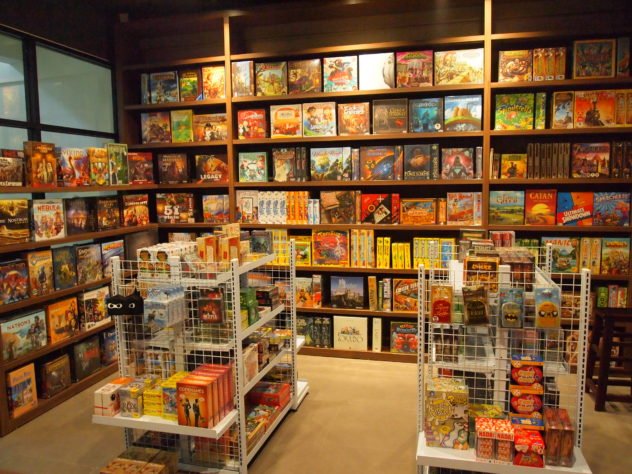
Starting a board game store requires securing funding, finding a location, curating inventory, and developing a marketing strategy to attract customers.
Have you ever dreamt of a place filled with the satisfying clatter of dice and the strategic hum of tabletop gameplay? Many share that passion and consider how to start a board game store. It is a big undertaking, though, more than just loving games.
It involves careful planning, understanding the market, and connecting with a community. This includes everything from sourcing unique titles to building a welcoming environment for players to gather. So, where should you begin?

How to Start a Board Game Store
So, you love board games, right? Enough to think about turning that passion into a business? Awesome! Opening a board game store can be a super fun and rewarding adventure. But like any adventure, you need a map and a plan. This guide will walk you through everything you need to know to start your own board game store, from the very first idea to opening your doors.
Planning Your Game Plan
Before you even think about buying inventory, you need a solid plan. This is where you decide what your store will look like and how it will work. Think of it as building the foundation for your board game kingdom.
Market Research: Knowing Your Players
First, let’s talk about research. You wouldn’t start a game without knowing the rules, right? Same with business! You need to understand your local market. Who are the board gamers in your area?
- Are they mostly families looking for kid-friendly games?
- Are they hardcore strategy game enthusiasts?
- Do they love collectible card games like Magic: The Gathering?
- What is the gaming community like?
- What types of stores already exist and are successful?
Look around your town. Are there other game stores? What do they do well? What could they do better? Talking to local gamers at events or online forums can give you valuable information. Don’t be shy! This research is vital.
Writing Your Business Plan: The Blueprint
Next, you need a business plan. Think of this as the instruction manual for your store. It doesn’t need to be super complicated, but it should cover the important stuff:
- Executive Summary: A quick overview of your store and goals.
- Company Description: Details about your store, its mission, and what makes it special.
- Market Analysis: What you learned about your customers and competitors.
- Products and Services: The types of board games you’ll sell, and other services you might offer (like game nights or demo events).
- Marketing and Sales Strategy: How you plan to attract customers and sell your games.
- Management Team: Who will run the store and their experience. Even if it is just you at the start!
- Financial Projections: How much money you’ll need to start, and how you plan to make money.
Creating a financial plan is very important, including your funding requirements, start-up costs, and sales projections for your new venture. This part can be tricky, so you might consider working with a professional if needed.
Choosing a Niche: Your Special Game
Board games are a big world! You don’t need to carry every single game ever made. Think about what makes your store special. Will you focus on family-friendly games? Maybe you’ll only sell strategy games or indie games. You might decide to focus on a niche to stand out. Having a specialty can help you attract a specific kind of customer.
For example, some shops focus on:
- Collectable card games (CCGs)
- Role-playing games (RPGs)
- Euro-style board games
- Miniatures and wargames
- Family-friendly games
- Local designers’ games
Setting Up Shop: Bricks, Mortar, and More
Now that you have a plan, it’s time to find a space and set it up.
Location, Location, Location
Your store’s location is key! You want to be somewhere that’s easy for people to get to, with good visibility. Consider the following:
- Accessibility: Is there enough parking, is it near public transport?
- Foot Traffic: Are there other stores nearby that draw people?
- Competition: Is it too close to other game stores?
- Cost: Can you afford the rent in that location?
- Size: Is the space large enough for your inventory, and will there be space for playing?
It’s important to find a space that fits both your needs and your budget.
Creating the Right Atmosphere: Game On!
Your store should be inviting and fun. Think about:
- Layout: Make it easy for people to browse and see all the games.
- Lighting: Bright lighting is best so people can see what they are looking at.
- Shelving: Choose shelving that is sturdy and can hold lots of games.
- Display: Show off your games attractively. Use open copies on display so people can look inside.
- Play Area: If you plan to host game nights, you will need a space for people to play comfortably. Tables and chairs are a must.
- Ambiance: Add some personality to your store with decorations and maybe even some game-themed artwork.
The goal is to create a welcoming space where people want to spend time.
Stocking the Shelves: Your Game Collection
Now the really fun part! Choosing your inventory is like picking your own perfect collection.
Finding Suppliers: Your Treasure Map
You can’t just buy games from a regular store! You’ll need to find wholesalers and distributors. These companies sell games to retailers at a discount, so you can then sell them to customers for a profit. Here are a few ways to find them:
- Industry Associations: Check websites for industry associations like the Game Manufacturers Association (GAMA) for links to distributors.
- Online Research: Search for “board game wholesalers” or “game distributors.”
- Attend Conventions: Go to gaming conventions where manufacturers and distributors showcase their products.
- Direct Contact: Reach out to game publishers directly. Some smaller publishers will work directly with retailers.
Don’t be afraid to shop around and find the best deals. Make sure you know how the ordering and shipping works before you place orders with new suppliers.
Choosing Your Games: A Variety Pack
When choosing games, make sure to have a good mix of different types:
- Classics: Include some well-known games that everyone will recognize.
- New Releases: Keep up with the latest games that are being released.
- Different Genres: Offer different types like strategy, family, party, and card games.
- Price Points: Have games at different price ranges.
Start with a good variety and see what your customers like. You can always adjust your inventory as you learn what is popular.
Inventory Management: Keeping Track of the Games
Keeping track of your inventory is super important. If you run out of a popular game, you could lose sales! Here are some tips:
- Spreadsheet Software: Use programs like Google Sheets or Microsoft Excel to track how many of each game you have, when you need to reorder, and how much they cost.
- Inventory Software: Consider getting software designed for retail businesses to make inventory management easier.
- Regular Audits: Do regular checks of your shelves and inventory count.
- Point-of-Sale (POS) system: Use a POS system that will keep track of sales, as well as provide reports on what is selling well.
Good inventory management can help you avoid overstocking or running out of popular items.
Getting the Word Out: Marketing Your Store
Now that you have a store and products, you need to let people know you exist. This is where marketing comes in.
Creating a Brand: Your Unique Identity
Your brand is more than just your store’s name and logo. It’s the personality of your business. Think about what makes your store unique. Do you want to be seen as fun and friendly? Or more serious and strategic? Your brand should reflect what you are trying to achieve.
- Name: Choose a catchy name that is easy to remember.
- Logo: Design a logo that is unique and represents your brand.
- Colors: Pick colors that you will use on your website and in your store that reflect your brand’s personality.
- Voice: How do you want to talk to your customers? Are you casual or professional?
Online Presence: Reaching the Digital Gamers
These days, having a good online presence is crucial. Here’s what you should consider:
- Website: Get a website that displays your inventory, provides your store hours, and shares information.
- Social Media: Create accounts on platforms like Facebook, Instagram, and Twitter to connect with customers, share your events, and promote your products.
- Online Store: If you want to ship games to customers, consider creating an online store.
- Email List: Create an email list, so you can communicate with customers directly about new releases and events.
An online presence makes it easy for customers to find you and stay in touch.
Local Marketing: Connecting with Your Community
Don’t forget about local marketing to reach people in your area.
- Local Partnerships: Partner with other local businesses or groups.
- Flyers and Posters: Place flyers and posters in local cafes, libraries, and community centers.
- Local Events: Set up a booth at local fairs or festivals.
- Game Nights and Events: Host regular game nights, tournaments, or demo events in your store.
Connecting with your community helps you build a loyal customer base.
Customer Service: Playing the Long Game
Great customer service is very important to a successful business. Your customers are your most important asset. Here are some tips to keep them coming back:
- Friendly Staff: Hire staff that is passionate about games and willing to help customers find what they need.
- Product Knowledge: Staff should know about different games and be able to make suggestions to customers.
- Handling Complaints: Address customer concerns quickly and fairly.
- Loyalty Programs: Create a rewards program to thank your regular customers.
Remember, happy customers are likely to visit you again and again.
Legal and Financial Stuff: Getting Down to Business
Starting a business also involves a little bit of paperwork.
Business Structure: Choosing Your Company Type
You need to decide on a business structure for your store. Common structures include:
- Sole Proprietorship: The easiest to set up, but you are personally responsible for debts.
- Partnership: Involves multiple people sharing ownership.
- Limited Liability Company (LLC): Provides some protection from personal liability.
- Corporation: More complicated, but can provide the most liability protection.
It’s important to talk to a professional to see which is best for your situation.
Licenses and Permits: Checking All the Boxes
You will need to get the necessary licenses and permits to operate a business. This varies from place to place. Contact your local government agencies to find out what you need.
Finances: Keeping Track of the Money
Good financial management is important. You’ll need to:
- Open a Business Bank Account: Keep business money separate from personal money.
- Track Income and Expenses: Keep track of all of your sales and what you spend.
- Pay Taxes: Pay all of the required business taxes on time.
- Create a Budget: Create a budget and stick to it.
Managing your finances well will keep you operating smoothly.
Starting a board game store is not a simple task but with careful planning, hard work, and a genuine love for board games, your store can become a fantastic place for your community. Remember to start with a strong plan, create a welcoming space, offer great products, and most importantly, connect with your customers.
How To Open A Local Game Store Part 1: Step By Step Guide To Launch Your RPG, and Board Game Shop
Final Thoughts
Starting a board game store requires a solid plan. Secure funding and a suitable location first. Carefully select your inventory, focusing on popular and niche titles.
Develop a marketing strategy to reach board game enthusiasts. Building a community around your store is also important. Remember, great customer service is a must.
Finally, navigating regulations and handling finances are crucial. These steps are vital when planning how to start a board game store.

