
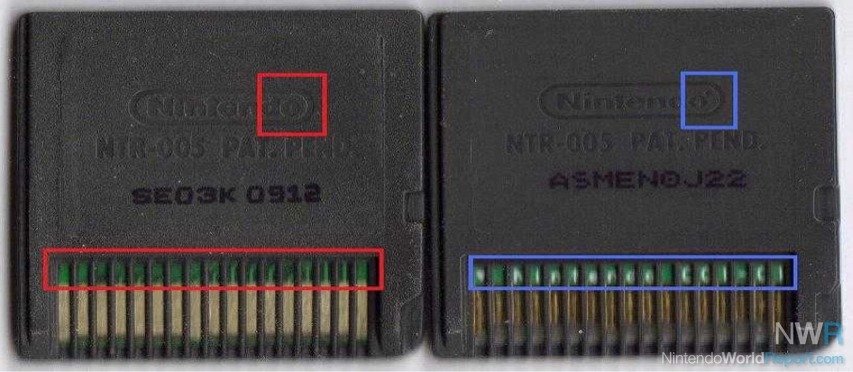
If you want to know how to tell if a DS game is fake, carefully examine the cartridge’s label, case, and build quality for inconsistencies, and check if the game code matches known legitimate versions.
Have you ever felt a pang of doubt when buying a second-hand Nintendo DS game? The worry that it might not be genuine can really take away from the fun. It’s a valid concern, given how many counterfeit games circulate.
Understanding how to tell if a ds game is fake can save you money and disappointment. With a few key checks, you can easily identify the real deal from a convincing copy.

How to Tell If a DS Game is Fake
Buying a Nintendo DS game can be super exciting, especially if it’s a rare one or one you’ve been wanting for ages! But, sometimes, sneaky sellers try to trick people with fake games. These fake games might not work correctly, could damage your DS, or just won’t be the fun experience you were hoping for. Don’t worry! This guide will show you how to spot a fake DS game so you can protect yourself and your game collection.
The Cartridge: First Line of Defense
The most obvious place to start checking for a fake is the game cartridge itself. Nintendo makes its cartridges to very high standards, so if you know what to look for, many fakes will be easy to spot. Here’s what you need to pay attention to:
Color and Material
Real Nintendo DS cartridges are a specific shade of gray, almost like a dark, matte color. Fake cartridges often have a color that is too light, too dark, or just slightly off. They might look shiny instead of matte. They also usually feel a little lighter and flimsier because they’re not made with the same quality plastic as real ones. A genuine cartridge feels solid and sturdy in your hand.
- Real: Dark gray, matte finish, solid feel
- Fake: Light gray, too dark, shiny, flimsy feel
Label Quality
The label on the cartridge is another key place to look for differences. Nintendo prints high-quality labels that are crisp and clear. Here’s what to check for:
Print Quality
Real labels have clear, sharp text and images. The colors are vibrant and consistent, without any blurriness. The font used will always be the same for that specific game and region. Fake labels often have blurry text, dull colors, and sometimes even typos. The text and images might also look pixelated if the resolution wasn’t good when the counterfeit label was printed.
- Real: Sharp, clear, vibrant colors, consistent font.
- Fake: Blurry text, dull colors, typos, pixelated images.
Label Placement
Nintendo always places labels in the exact same spot on each cartridge. If the label is slightly crooked, too high, or too low, it’s a big red flag. Also, make sure the label is perfectly flat. On fakes, the label can sometimes be bubbly or peeling up at the edges.
- Real: Perfectly aligned, flat.
- Fake: Crooked, misaligned, bubbling or peeling.
Nintendo Logo and ESRB Rating
Always examine the Nintendo logo and the ESRB (Entertainment Software Rating Board) rating (if applicable) carefully. The Nintendo logo on real cartridges is always clear and precise. The ESRB rating symbols are standardized and should match what’s expected for that game. Fake cartridges may have logos or ratings that are blurry, incorrect, or look slightly different than they should.
- Real: Crisp and correct Nintendo logo, accurate ESRB rating.
- Fake: Blurry or incorrect logo, incorrect or missing ESRB rating.
The Cartridge Code
Each Nintendo DS game has a unique code printed on the back of the cartridge. This code is usually a combination of letters and numbers and should match the code printed on the game’s packaging (if you have the box). If the code is missing, or if it doesn’t match what you expect, it’s a big warning sign that the game may be a fake.
Sometimes, the font or the color of the print will be off on a counterfeit copy. They will generally be fainter or look more smudged than the print on an original cartridge.
- Real: Clear and legible code matches box.
- Fake: Missing, mismatched, smudged, or illegible code.
Remember: Always double check the code to confirm it’s not from a different region, some codes will be slightly different if the game is from a different region. For example, PAL region (Europe and Australia) will have different code from NTSC region (North America) version.
The Connector Pins
Look carefully at the metal connector pins on the bottom of the cartridge. These pins connect with the DS to let it read the game. On a real cartridge, the pins will be a gold color and be very clean and shiny. Fake cartridges might have pins that are a different color, like silver, or have a matte look. The pins on fakes may also look dirty or scratched, suggesting they were made with cheaper materials. Make sure the pins look very well manufactured without any signs of being poorly fitted.
- Real: Shiny gold connector pins.
- Fake: Silver or dull-colored pins, dirty or scratched pins.
The Packaging: Another Clue
If you’re lucky enough to have the game’s original packaging, it’s another excellent way to spot fakes. Counterfeiters often focus on the cartridge and sometimes cut corners on the box and inserts. Here are a few things to watch out for:
Box Quality
Real Nintendo DS boxes are made from sturdy, high-quality cardboard. The printing is always sharp and clear, just like the label on the game. Fake boxes often feel flimsy and thin. The colors might be faded or too dark, and the text or images can be blurry. If the box feels like it’s going to fall apart easily, it’s a bad sign.
- Real: Sturdy cardboard, sharp print.
- Fake: Flimsy cardboard, faded or blurry printing.
Artwork and Text
Like the label, the box artwork and text on real game boxes are crisp, sharp, and correctly colored. Counterfeiters often struggle with matching colors accurately and reproducing clear text. Check for any blurry or pixelated images, as well as any typos or errors in the text. If something looks off, it should raise your suspicion. Also look at the copyright information at the back of the box, this will also give you clue about the legitimacy of the box.
- Real: Clear, sharp artwork and text, correct colors.
- Fake: Blurry artwork, typos, incorrect colors.
Inserts and Manual
Most Nintendo DS games come with an instruction manual and sometimes other promotional inserts. Real manuals are made of quality paper and are printed very clearly. If you see a manual that is printed on thin, cheap paper, is blurry or has incorrect text or images, the game is more likely a counterfeit. Inserts from a genuine game are printed on similar high-quality paper with clear colors and sharp text. Sometimes counterfeit games don’t even include a manual or inserts, or if they do they are much lower quality, this also gives us a hint about the game.
- Real: High-quality paper, clear printing.
- Fake: Thin, cheap paper, blurry printing, missing inserts or manual.
The Seal of Authenticity
Nintendo products usually have a seal of authenticity, which is a small, often foil-like, emblem on the packaging. This seal is usually of great quality, with a 3D design and specific text within the seal. Fake seals of authenticity might look poorly made, flat, not as reflective, or simply missing. A lack of the seal of authenticity should be a cause of concern.
- Real: High-quality seal, often reflective or foil, clear print.
- Fake: Poor quality or missing seal, flat or not reflective.
Testing the Game: The Final Check
Even if the cartridge and packaging look good, there’s still one more step to be sure a game is genuine. Actually putting the game into your DS and trying it out can also give you a final sign if your game is genuine or not. Here’s what to look for:
Game Startup
When you turn on your DS, the game should start up normally with the official Nintendo logo and the game’s title screen. Fake games sometimes show a different logo or get stuck at the startup screen. The game might take longer to load, or the loading screen might look blurry. If the startup seems unusual, there could be an issue.
- Real: Normal startup screen, with the correct logos and images.
- Fake: Unusual logo, long loading times, blurry screen or freezes at start.
Gameplay
While playing, pay attention to how the game feels. Real games run smoothly with no noticeable glitches or bugs. Fake games often have slowdown, crashes, or graphic glitches. If the game is freezing or has sudden errors when you try to play it, that’s a big red flag. The sound in counterfeit games is sometimes a bit off or not the same as how it would sound in a real game.
- Real: Smooth gameplay, no glitches.
- Fake: Slowdown, crashes, graphic glitches, sound issues.
Saving and Loading
Real DS games save and load properly. You should be able to save your progress and load your saved data without any problems. Fake games often have issues with saving or loading, meaning you might not be able to save your game, or might lose your saved game. If your saved data disappears or won’t load correctly, it’s a big warning sign.
- Real: Normal saving and loading functionality.
- Fake: Unable to save, lost saves or inability to load saved files.
Where to Buy Games: Choosing the Right Source
The place where you buy your games can also affect the risk of getting a fake. Buying from trusted and well known retailers makes it less likely you will buy a fake game. Here’s some things to consider:
Trusted Retailers
Buying from well-known stores that sell Nintendo games is usually the safest way. These stores get their games directly from Nintendo or official distributors, so they are guaranteed to be genuine. Avoid buying from marketplaces where there is no guarantee if the seller is actually trusted or not.
Private Sellers
When buying from private sellers, it’s a good idea to be extra careful. Ask the seller for clear pictures of the cartridge and packaging, and always check their reviews and feedback. Don’t be afraid to ask them questions about the game’s origins, and if they’re being unwilling to answer, it might be a red flag. If something feels “off,” it’s better to be safe and not proceed with the purchase.
Online Marketplaces
While online marketplaces can be a good place to find older games, be very cautious. Look for sellers that have lots of positive reviews and good feedback, and be aware of prices that look too low, as it could be a sign that the product is a counterfeit. Be cautious of brand new items listed where a particular game has been out of print for years, or if a seller has multiple copies of an old, rare game.
Additional Tips
Here are some more tips to keep in mind when you’re looking to buy a Nintendo DS game:
- Price Too Good to Be True: If the price is significantly lower than what other sellers are offering, it might be a fake. Always be suspicious of such deals.
- Ask for Photos: Before you buy a game online, always ask for clear, detailed photos of the cartridge, the box and the manual from all angles.
- Research: Look up images of genuine versions of the game online. This helps you know what to compare when inspecting a game you might want to buy.
- Trust Your Gut: If something doesn’t feel right, it’s best to walk away. There are plenty of genuine games out there, so don’t take the risk if you are doubtful.
By paying attention to all the details in this guide you will be better equipped to spot a fake Nintendo DS game. With a little knowledge and focus, you can make sure your game purchases are all real and provide fun for years to come. Happy gaming!
The ONLY REAL Way To Spot FAKE Nintendo DS Games | Scottsquatch
Final Thoughts
To quickly check, scrutinize the label’s quality; authentic games have crisp, clear images. A fake cartridge often has a poorly printed label with blurry text. Also examine the plastic case; legitimate cases use higher quality materials.
You must carefully check for misspellings on the label or case. Fake games might have incorrect logos or wrong colors. Finally, inspect the game’s connection pins; they should be clean and gold colored. Remember, these tips are crucial for ‘how to tell if a ds game is fake’.

