
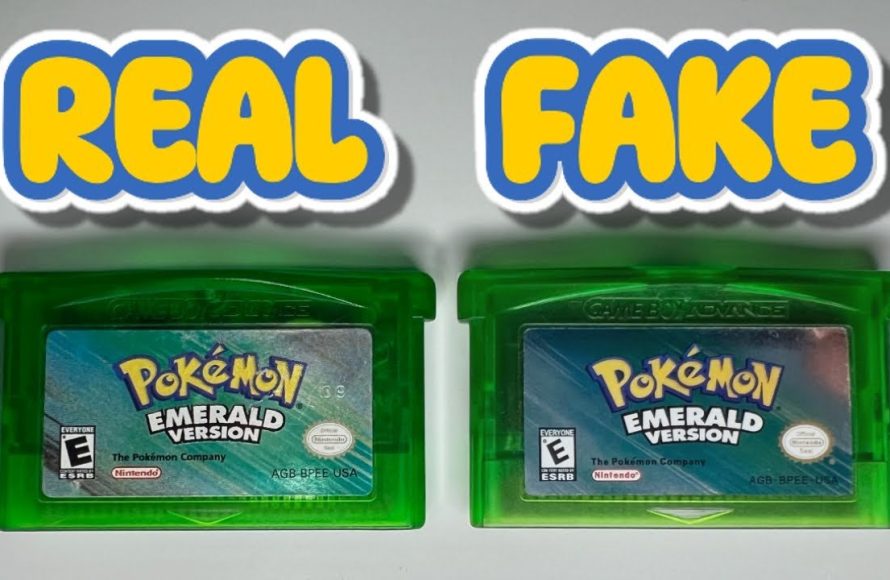
Examine the game label for printing quality, check the cartridge plastic for color and texture, and inspect the circuit board through the cartridge opening for unusual features when trying to figure out how to tell if a gameboy advance game is fake.
Ever wondered if that “bargain” GBA game is the real deal? It’s a common worry among collectors. Figuring out how to tell if a gameboy advance game is fake can save you from a frustrating purchase.
Many counterfeits are surprisingly good, making it tricky for casual buyers. This is why having a few key checks is very important. It’s the small details that often give them away.
This short guide will give you an easy to follow approach to identify a fake cartridge. Let’s dive into what to watch out for.

How to Tell if a Game Boy Advance Game is Fake
So, you’ve got your hands on what you think is a cool Game Boy Advance (GBA) game. Maybe it’s a classic Pokémon title, a rare gem like Fire Emblem, or a fun action game like Metroid. But wait a minute, is it the real deal or a sneaky fake? It’s important to know how to spot a fake game because nobody wants to be tricked. Fake games can be glitchy, have save files that disappear, and just aren’t the same quality as authentic ones. In this guide, we will teach you how to become a GBA game detective, and we’ll equip you with the knowledge to make sure your game collection is genuine. Let’s get started!
The Importance of Spotting Fakes
Why does it even matter if a game is fake? Well, there are several key reasons. First and foremost, fake games don’t support the creators of your favorite games. When you purchase a fake, the money doesn’t go to the people who made the game. Second, fake cartridges are often made with cheaper parts, leading to issues. These problems include: frequent game crashes, corrupted saved data, and sometimes the game just won’t work at all. Finally, fake cartridges can damage your GBA system. A poorly made cartridge can potentially cause the connection port of your GBA to break or may even cause internal electrical problems within your system. Knowing how to identify a fake ensures you’re getting a working game and a quality product, so lets dig in into the details.
Visual Inspection: The First Line of Defense
Before you even play the game, your eyes are your greatest tool for finding a fake. Genuine GBA cartridges have a specific appearance, and many fakes are noticeable right away. Lets examine what to check, step by step:
The Cartridge Label
This is often the most obvious difference between a real and fake GBA game. Here’s what you need to scrutinize:
- Color Accuracy: Real game labels use specific colors. Compare the label you have to an image of the real label from online resources like reliable game databases, or online storefronts which sell legitimate GBA games. If colors look faded, too bright, or just plain wrong, it’s a big red flag.
- Font and Text: The font used on the label should be clear, consistent, and match the font used on other genuine games from that title. Check for pixelated letters, blurry text, or oddly spaced words which are common on fakes. Check that spellings are accurate, some fakes have spelling errors on their labels.
- Image Quality: The graphics or characters on the label should be sharp and detailed on an authentic cartridge. Look for blurry or low-quality images, which are signs of a fake. Real labels are usually printed very well.
- Nintendo Seal of Quality: Check the Nintendo Seal of Quality, which is often an oval-shaped seal with the word “Nintendo” written inside. The seal should be present, clean, and clearly printed. On fake games, this seal is often missing or its print quality is terrible.
- Label Material: The label of a genuine cartridge is made from a glossy, high-quality material. Fake labels may feel thin, flimsy, or have a matte finish. If the label is peeling, bubbling or is easily damaged, it’s probably a fake.
The Cartridge Plastic
The plastic that makes up the game cartridge also reveals some clues:
- Color and Transparency: Authentic GBA cartridges are usually made from a slightly translucent plastic material, that is slightly grey or black. Some special colors or translucent colors existed for specific games. If the cartridge is made from solid, opaque or different colored plastic, this could be a sign of a fake, unless the game did have a special plastic color. If the cartridge appears to be unusually bright in color, it is a cause for concern.
- Plastic Quality: The plastic should be smooth and feel solid. Fake cartridges tend to feel cheap, lightweight, and may have rough edges or molding imperfections. Compare how the cartridge feels to the feel of an authentic game.
- Cartridge Shape: Inspect the overall shape and molding of the cartridge itself. Genuine cartridges should have a smooth, consistent shape with no extra lines, or molding errors. Pay close attention to the indentations around the label and where the cartridge connects to the GBA. Fakes often have slightly different curves and cuts.
Screws and Back of Cartridge
A closer look at the screws and the back can provide further information:
- Type of Screw: Genuine GBA cartridges use a specific three-pronged screw (a “tri-wing” screw). Fake cartridges may use standard Phillips screws or different screws altogether. If the screw isn’t tri-wing, it is almost certainly a fake.
- Back of Cartridge: The back of the cartridge should have a smooth, clean appearance. Pay attention to any labels, numbers or markings. Authentic games have a small number stamped on the back. These numbers should appear to be pressed into the plastic and not be stickers or poorly printed on the surface. Compare the stamped numbers to other authentic cartridges of that title.
Internal Examination: Peeking Under the Hood
If you’re still unsure after the visual inspection, you can take things one step further by examining the inside of the cartridge. Be warned that opening the cartridge may void the value of the game to a collector or potential reseller if you are planning to resell it later on. You may damage the cartridge if you are not careful. With caution, here’s what you should look for inside:
The Circuit Board (PCB)
The most revealing part is the circuit board inside, or the PCB. The quality of the PCB reveals a great deal about the games authenticity. Here is what to check:
- Cleanliness and Soldering: Genuine PCBs are clean, have neatly soldered components, and all the components should be properly attached. Fake PCBs will often have messy soldering, components that are not correctly placed, or look very cluttered. Some fakes also have visible glue or other residues.
- Nintendo Logo: Authentic PCBs feature a Nintendo logo on them and other unique markings that identify them as genuine. Fakes often lack this logo or feature a poorly replicated one. Compare your PCB to an image of a real PCB of the specific game.
- Type of Memory Chips: Fake games often use the cheapest parts possible, such as smaller capacity memory chips than authentic games. The design of the memory chip can be a tell tale sign of a fake. Compare the chips to other real games of the same title.
Battery Check
If your GBA game is an older game that relies on a battery to save your game, look closely at the battery. Games like some of the classic Pokémon games need a battery to retain the save data. Here is what you should observe:
- Authentic Batteries: Original batteries should be genuine brands that were often used at the time of the game’s manufacturing. Counterfeit cartridges often use generic, low quality batteries.
- Battery placement: The battery should sit flush and should be properly connected to the PCB. If the battery seems loosely attached, or attached with glue, this is a red flag. Check how well the battery is connected to the PCB.
Game Play and Functionality: The Ultimate Test
Even if the cartridge looks genuine on the outside, playing the game can still show whether it’s a fake. Here’s what to look for during game play:
Loading Screens and Startup
The game’s introduction should be smooth. How the game performs when it first loads up is a good indicator of how well the game works:
- Nintendo Logo Startup: When you turn on your GBA, the official Nintendo logo should appear before the game’s title screen. If this logo is not present or looks different, the game could be fake.
- Title Screen: The game’s title screen should load correctly with no obvious problems. Look for any issues with the graphics or text, which are common in fakes. Pay attention to how long it takes to load, if it takes a very long time, this can be a bad sign.
In-Game Performance
Once you’re actually playing, pay attention to how the game performs:
- Gameplay Smoothness: A real game should run smoothly, without frame rate issues or stuttering. Fake games often lag or have jerky animations.
- Glitchy Behavior: Fake games may have strange glitches, graphical errors, and game breaking bugs that don’t happen in real games. If you encounter strange issues that you don’t remember from playing the actual game, this is a very bad sign.
- Sound Problems: Sound effects and background music should sound perfect. If the sound is distorted, missing, or not the way it should be, the game may be a fake.
Saving and Loading
The saving and loading function should be tested:
- Save Function: Save your game and see if the progress is saved correctly. Sometimes, fakes either cannot save properly or have save data that gets randomly deleted.
- Loading Save Data: If your game is battery based, turn off your GBA, then turn it back on to see if your save game is present and working. If the saved data disappears or does not load, the game is likely fake.
Comparing to a Genuine Copy
If you are still not sure about your game, one of the most effective ways to check if its fake or real is by comparing it to another copy that you know for sure is legitimate. Here’s what you need to do:
Side-by-Side Examination
Having a real copy to compare to can show even the smallest differences:
- Label Comparisons: Place the labels side by side and observe any differences in color, font, text spacing, and overall print quality. The slightest differences in a label can indicate a counterfeit game.
- Cartridge Differences: Place the cartridges next to each other and look at differences in the molding, color, plastic quality and general appearance. A lot of differences can be noticed with a side by side comparison.
- Weight and Feel: A genuine cartridge has a specific weight and a very sturdy feel. Fake cartridges are often lighter and feel much less quality in comparison.
Comparing Game Play
Play your game right beside the genuine copy and compare what you see and hear:
- Speed and Smoothness: Load both games and compare the loading speed and performance when you are in game. They should perform identically. If there is any difference, especially a large difference, then this is a strong indication of a fake game.
- Sound and Graphics: Make a comparison of the sound and graphics, and make sure they sound and look exactly alike, especially if it is an old game that uses very basic graphics and sounds.
Where to Buy Genuine Games
To minimize the risk of ending up with a fake game, it’s important to buy from reputable sellers. Here are some tips for shopping:
- Trusted Online Stores: Check if the online shop is a reputable one and read reviews of the sellers who you want to buy from. Read the negative reviews to see if there are any complaints about fake games being sold.
- Retro Game Stores: Buying from local retro game stores that specialize in classic video games is always a good bet. These sellers are typically more knowledgeable and will rarely sell fakes.
- Private Sellers: Be careful when buying from private sellers through websites like eBay, Facebook Marketplace, or other sites. Make sure you look at their rating and feedback and message the seller asking questions about the game before buying.
By being vigilant and using these tips, you can avoid getting stuck with a fake Game Boy Advance game. Remember, the key is to check everything carefully, from the label to the game play. Happy gaming!
10 Ways to Spot Fake GBA Games (quick and to the point)
Final Thoughts
Examining the label closely, checking the cartridge’s color and build, and verifying the Nintendo logo are key steps. A fake cartridge often has a label with inconsistent printing or pixelated text. The plastic might feel cheap or have slight color differences.
You must also inspect the screws; they should be unique. A crucial step is to test the game itself, if possible, since fake games sometimes have glitches or saving issues. Ultimately, these combined methods show you how to tell if a gameboy advance game is fake.

