
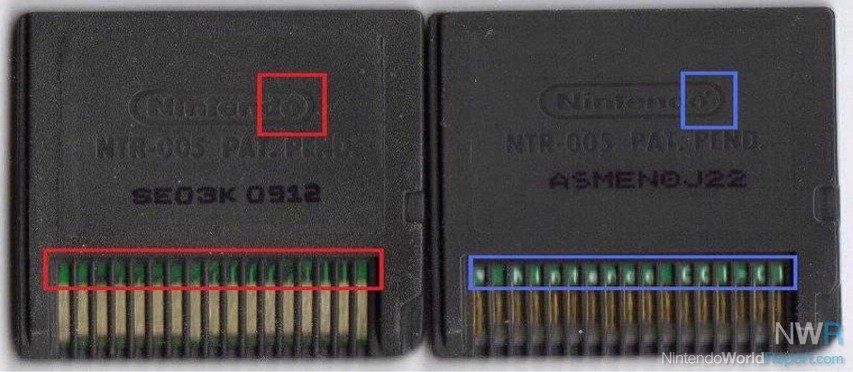
Check the game cartridge for a Nintendo logo on the label and back, ensure the font is correct and the plastic casing fits flush. If it feels cheap or the label appears blurry, the DS game is likely fake.
Have you ever held a DS game and felt something was just…off? Maybe the colors seemed faded, or the plastic felt flimsy? Many gamers have been in this frustrating spot, wondering how to tell if ds game is fake. This uncertainty can really dampen the joy of collecting and playing your favorite titles.
It’s crucial to be aware of the telltale signs that indicate a counterfeit, especially when you buy used games online. Understanding these clues will protect you from disappointment and potential financial loss.

How to Tell If a DS Game is Fake
So you’re excited to play that awesome Nintendo DS game you just got! But wait a minute… how can you be sure it’s the real deal and not a sneaky fake? It’s a valid question! Fake DS games are out there, and they can be pretty good at disguising themselves. But don’t worry, you don’t have to be a detective to figure it out. This guide will help you become a pro at spotting the fakes. We’ll look at everything from the case to the cartridge, so you know what to look for.
The Case: First Line of Defense
The game case is often the first thing you’ll see, and it’s a good place to start your investigation. Real Nintendo DS game cases have specific features that fake ones often miss. Let’s dive into the details:
The Nintendo Logo
Let’s start at the top! The Nintendo logo on a real case is crisp and clear. It’s not blurry or fuzzy. The font is precise, and the colors are vibrant. A fake case might have a logo that looks slightly off – maybe the letters are a little thicker, thinner, or the color isn’t quite right. Pay attention to even small details. A slightly faded or misaligned logo can be a red flag.
The Game Artwork
Now, look at the game artwork on the case insert. Real game artwork is printed on high-quality paper with vibrant colors. It’s not going to look like a low-resolution printout or have colors that are faded. Check if the images and text on the insert look sharp and not pixelated. The paper should also have a smooth, slightly glossy finish. Fake cases often use thin paper with low-quality printing, making the images look dull and blurry. Feel the paper, if it’s too flimsy or rough, that’s a sign that something is wrong.
The Game Title and Text
Closely examine the game title and other text on the case. Is it printed straight? Are the fonts correct? Fake cases sometimes have errors in font type, spacing, or even spelling. Check the back of the case, too. If the text looks blurry, uneven, or slightly off, it might be a fake.
The ESRB Rating
The ESRB rating logo is also important. (ESRB stands for Entertainment Software Rating Board). It will have either an “E” for Everyone, an “E10+” for Everyone 10+, a “T” for Teen, or an “M” for Mature. This rating should be clear and easy to read. The ESRB logo on a fake case may be distorted, smudged, or missing entirely. If the placement or size seems wrong, that’s a warning sign.
The Case Material and Build
Nintendo uses sturdy, high-quality plastic for their DS cases. It should feel solid, not flimsy. The hinges should work smoothly, not crack or feel loose. A fake case may use cheaper plastic that feels very thin and weak. Try opening and closing the case a few times. If it feels cheap or breaks easily, it’s likely a fake.
The Cartridge: The Heart of the Matter
The cartridge itself is where we find more critical clues. Fakes often have very noticeable differences when you know where to look. Here’s a deep dive into what to check:
The Nintendo Logo on the Cartridge
Just like the case, the cartridge itself also has the Nintendo logo. Make sure it’s printed clearly, with no blur or discoloration. Real Nintendo cartridges have logos that are precisely printed and the right size. A fake cartridge might have a logo that looks slightly off in font style, is not perfectly aligned, or has a different color tone. If it doesn’t look just right, that’s a very good reason to be suspicious.
The Label Artwork on the Cartridge
The sticker on the cartridge (the label with the game’s picture and title) should be of good quality with sharp images, good colors, and a smooth surface. Look closely at this label. A fake might have a label that is poorly printed, not properly aligned, faded, or even have a slightly different color scheme. The label on a real cartridge is applied very precisely. If it looks crooked, peeled up at the edges, or feels rough, you may have a fake.
Also, a legitimate sticker will not be easy to peel off or damage with a little scratch. Try lightly scratching a part of the sticker. If it easily removes, that’s a telltale sign of a fake cartridge.
The Game Title and Other Text on the Cartridge
The game’s title and any other text on the cartridge should be crisp and easy to read, just like on the case. Check for any errors in font, spelling, or spacing. Real cartridges always have correct text. Fake cartridges will often have mismatched text or even spelling mistakes. If you spot something wrong, it’s highly likely a fake.
The Cartridge’s Plastic Material
The plastic of a real DS cartridge has a specific feel and color. It’s usually a solid color, not see-through. It’s also smooth and sturdy. A fake cartridge may use cheaper plastic that is see-through or has a different texture (like being a bit rougher). The plastic should feel solid in your hand, not flimsy or breakable. If the material feels different than other DS cartridges you know are real, that’s a cause for concern.
The Cartridge’s Shape and Size
Real DS cartridges have very specific dimensions. A fake cartridge may be slightly thicker, thinner, or have a slightly different shape than the real one. Check if it fits properly in your DS system, it should slide in smoothly without feeling too tight or too loose. If it doesn’t fit perfectly, it could be a fake.
The Cartridge’s Connectors
The gold connectors (the little metal pieces that go inside your DS) should look shiny, clean, and uniform. They should also be properly lined up. Fake cartridges might have connectors that are dull, discolored, or not aligned correctly. This is a sign of low-quality manufacturing.
The Back of the Cartridge
Don’t forget to check the back! Usually, there is some text printed with the console code for the game, and it should be very clear and precise. Fake cartridges often have a blank back or have blurry, hard to read text on the back.
Comparing to a Known Real Game
Sometimes, the best way to see if a game is fake is to compare it to a known real one. If you have another DS game that you know is authentic, put them side by side. Look at all the elements we discussed – the case, the label, the cartridge, the text – and see how they compare. If you see any differences, you may have found a fake.
Here’s a helpful checklist you can use:
- Case:
- Is the Nintendo logo clear?
- Is the artwork sharp and colorful?
- Is the text correct and clear?
- Is the ESRB logo correct?
- Does the case feel solid?
- Cartridge:
- Is the Nintendo logo clear?
- Is the label high-quality?
- Is the text correct and clear?
- Does the plastic feel right?
- Is the shape and size correct?
- Are the connectors clean and aligned?
- Is the back printed clearly or blank?
Common Red Flags to Watch For
Let’s recap some of the most common signs of a fake DS game:
- Low-Quality Printing: Blurry or faded artwork and text, on both case and cartridge.
- Incorrect Fonts or Spelling: Typos or odd fonts in game titles or descriptions.
- Flimsy Materials: A case or cartridge made of thin, cheap plastic.
- Misaligned Labels: Labels on the cartridge that are crooked or peeling.
- Blank or Poorly Printed Back: If there is nothing printed on the back of the cartridge, or if the text is blurry.
- Unusual Color: If a cartridge has a strange color of plastic compared to your others.
- Strange Packaging: Game being sold in a generic or unbranded case.
- Unbelievably Low Price: If the price is too good to be true, it’s a warning sign.
- Seller Reputation: If the seller has bad reviews or is not known for selling genuine games, that’s a concern.
Where to Buy Safely
To avoid buying a fake game, try to buy your games from trusted sellers. Here are some options that are usually safer:
- Reputable Game Stores: Big retailers or known game stores usually sell genuine products.
- Online Retailers with Good Reviews: If you buy online, check the reviews of the seller first. Buy from sellers with high ratings and many positive reviews.
- Online Marketplaces With Guarantees: Some online marketplaces offer guarantees on their items. If there’s a problem, they may allow you to return it.
- Used Game Stores: Secondhand stores that specialize in games tend to know how to spot fakes.
Avoid buying from places that are not well-known or from sellers with no ratings or bad reviews. If you are not sure, it’s always better to be safe than sorry!
And if you happen to have a fake copy of the game, always be safe to dispose of it in the correct manner, or let the authorities know if you have found a seller who is knowingly selling fake products.
Spotting a fake DS game can seem tricky, but it’s totally doable if you know what to look for. Remember to check the case, the cartridge, and compare it with a game you know is real. By paying attention to the details, you can protect yourself from getting ripped off and enjoy the real games you love!
The ONLY REAL Way To Spot FAKE Nintendo DS Games | Scottsquatch
Final Thoughts
Examine the label closely for misspellings, blurry images, or incorrect logos. Check the game cartridge’s build quality; fake ones often feel flimsy or have rough edges.
Compare the cartridge color to a genuine copy, variations suggest a fake. Finally, test the game’s functionality; issues such as freezing or errors frequently indicate a counterfeit.
These points are key to quickly identifying a fraudulent product. You must scrutinize these details. Remember how to tell if ds game is fake often involves these steps.

