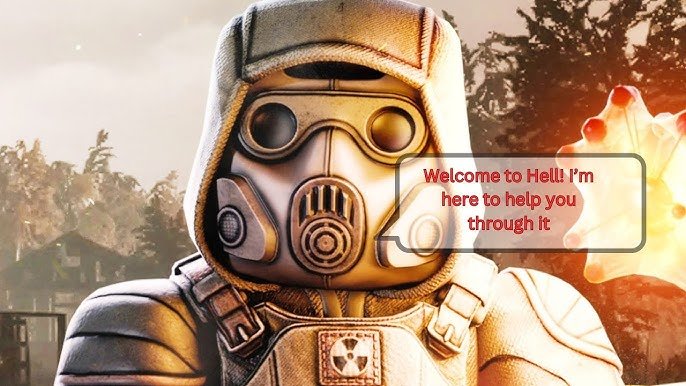
To welcome new players and help them get started, provide a clear, concise introduction to the game’s core mechanics, offer immediate assistance with initial challenges, and foster a friendly, supportive community environment.
Jumping into a new game can feel daunting! You remember that feeling, right? How do we make that first experience amazing for newcomers?
That’s exactly what we’ll cover: how to welcome new players and help them get started on the right foot. We want to ensure their initial hours are enjoyable and encourage them to stick around.
This means providing clear guidance, offering assistance, and building a welcoming community. Let’s dive in and make our game the friendliest one out there!

How to Welcome New Players and Help Them Get Started
Welcoming new players effectively is crucial for any game, community, or platform. A positive first impression dramatically increases player retention and fosters a thriving environment. Let’s explore how to make that first experience amazing.
Creating a Welcoming Environment
First impressions matter. Make sure yours is inviting and helpful.
Onboarding Process
The onboarding process is key to welcoming new players. It should be straightforward and easy to understand.
Clear Instructions: Provide concise and understandable instructions from the very beginning.
Interactive Tutorials: Implement interactive tutorials to guide players through the essential mechanics.
Progressive Difficulty: Introduce game elements gradually, avoiding overwhelming players with too much information at once.
Community Guidelines
Establish clear community guidelines. These help set expectations for behavior and interaction.
Respectful Communication: Encourage respectful and positive communication among all players.
Zero Tolerance for Harassment: Implement a zero-tolerance policy for harassment, bullying, and discrimination.
Fair Play: Promote fair play and discourage cheating or exploiting game mechanics.
Providing Helpful Resources
New players often need assistance. Make sure resources are readily available.
In-Game Help Systems
Implement robust in-game help systems. These can answer common questions quickly.
Tooltips and Hints: Provide tooltips and hints throughout the game to explain different features and mechanics.
Interactive Guides: Offer interactive guides that walk players through specific tasks or challenges.
Searchable Knowledge Base: Create a searchable knowledge base containing detailed information about the game.
Dedicated Support Channels
Offer dedicated support channels. Players might need personalized help.
In-Game Support Tickets: Allow players to submit support tickets directly from within the game.
Community Forums: Create community forums where players can ask questions and share tips.
Discord Server: Establish a Discord server for real-time communication and support.
Mentorship Programs
Pair new players with experienced mentors. This provides personalized guidance.
Benefits of Mentorship
Mentorship programs offer significant advantages. They help new players integrate quickly.
Personalized Guidance: Mentors can provide personalized guidance tailored to the new player’s needs.
Faster Learning Curve: Mentors can help new players learn the game mechanics and strategies more quickly.
Community Integration: Mentors can introduce new players to the community and help them build relationships.
Structuring a Mentorship Program
Design the mentorship program carefully. Make it beneficial for both mentors and mentees.
Mentor Selection: Select experienced and helpful players to serve as mentors.
Matching System: Implement a matching system to pair mentors with new players based on their interests and playstyles.
Training and Resources: Provide mentors with training and resources to help them effectively guide new players.
Organizing Events and Activities
Create events and activities specifically for new players. These offer opportunities to learn and socialize.
Welcome Events
Host regular welcome events. These introduce new players to the game and community.
Guided Tours: Offer guided tours of the game world or key features.
Tutorial Sessions: Conduct tutorial sessions covering essential game mechanics.
Social Gatherings: Organize social gatherings where new players can meet and interact with each other.
Introductory Challenges
Design introductory challenges. These are designed to be achievable and rewarding.
Easy Objectives: Create challenges with easy-to-understand objectives.
Generous Rewards: Offer generous rewards for completing the challenges.
Positive Reinforcement: Provide positive reinforcement and encouragement throughout the challenges.
Promoting Positive Interactions
Foster a positive and supportive community. This is essential for player retention.
Recognizing Helpful Players
Acknowledge and reward helpful players. Encourage positive behavior.
Community Spotlight: Feature helpful players in a community spotlight.
Volunteer Roles: Offer volunteer roles to players who consistently contribute to the community.
In-Game Rewards: Provide in-game rewards for helping new players and contributing to the community.
Addressing Negative Behavior
Address negative behavior promptly and effectively. Maintain a safe and respectful environment.
Reporting System: Implement a clear and easy-to-use reporting system.
Moderation Team: Establish a dedicated moderation team to investigate and address reports of negative behavior.
Clear Consequences: Define clear consequences for violations of the community guidelines.
Gamification of Onboarding
Use gamification to make onboarding more engaging. Add elements of fun and reward.
Achievements and Badges
Implement achievements and badges. These recognize player progress.
Early Achievements: Design achievements specifically for new players to earn early on.
Visual Recognition: Display achievements and badges prominently on player profiles.
Motivational Tool: Use achievements as a motivational tool to encourage players to explore different aspects of the game.
Leaderboards
Use leaderboards sparingly. These can be discouraging if implemented poorly.
New Player Leaderboards: Create separate leaderboards specifically for new players.
Skill-Based Matchmaking: Implement skill-based matchmaking to ensure that new players are competing against others of similar skill levels.
Focus on Progression: Emphasize personal progression and improvement rather than solely focusing on leaderboard rankings.
Gathering Feedback
Continuously gather feedback from new players. This helps improve the onboarding process.
Surveys and Questionnaires
Use surveys and questionnaires to collect structured feedback. Ask specific questions about the onboarding experience.
Targeted Questions: Ask targeted questions about specific aspects of the onboarding process.
Open-Ended Questions: Include open-ended questions to allow players to provide more detailed feedback.
Anonymous Options: Offer anonymous options for players who may be hesitant to provide feedback otherwise.
In-Game Feedback Tools
Implement in-game feedback tools. These allow players to provide feedback in real-time.
Easy Access: Make the feedback tools easily accessible from within the game.
Contextual Feedback: Allow players to provide feedback in the context of specific game events or situations.
Real-Time Monitoring: Monitor the feedback tools in real-time to identify and address any urgent issues.
Optimizing User Interface (UI) and User Experience (UX)
Design an intuitive and user-friendly UI/UX. This simplifies the learning curve.
Clear Navigation
Ensure clear and intuitive navigation. Players should be able to easily find what they are looking for.
Logical Layout: Design a logical layout with clear and consistent navigation menus.
Descriptive Labels: Use descriptive labels for all buttons, menus, and features.
Minimap or World Map: Provide a minimap or world map to help players orient themselves within the game world.
Accessibility Options
Offer a range of accessibility options. This accommodates players with different needs.
Customizable Controls: Allow players to customize their controls to suit their preferences.
Text Size Adjustments: Provide options to adjust the text size for readability.
Colorblind Modes: Implement colorblind modes to improve visibility for players with color vision deficiencies.
Content Creation Focused on New Players
Craft content specifically tailored for those just starting their journey. Guide them through the initial hurdles.
Beginner Guides
Create comprehensive beginner guides. These explain the core mechanics and strategies.
Step-by-Step Instructions: Provide step-by-step instructions for common tasks.
Visual Aids: Include visual aids such as screenshots and videos to illustrate key concepts.
FAQ Section: Incorporate a FAQ section addressing common questions from new players.
Video Tutorials
Produce video tutorials. These visually demonstrate gameplay mechanics.
Short and Concise: Keep the video tutorials short and concise, focusing on specific topics.
Clear Narration: Use clear and easy-to-understand narration.
Visual Demonstrations: Provide clear visual demonstrations of gameplay mechanics.
Platform-Specific Considerations
Adapt your welcome strategies based on the platform. Different platforms have unique considerations.
PC Games
Consider the complexities of PC gaming. New PC players may need help with technical aspects.
System Requirements: Clearly state the minimum and recommended system requirements.
Driver Updates: Provide instructions on how to update graphics drivers.
Technical Support: Offer technical support for common issues such as installation problems or performance issues.
Mobile Games
Mobile games need streamlined onboarding. Players often have short attention spans.
Simplified Controls: Implement simplified controls that are easy to use on touchscreens.
Short Tutorials: Keep the tutorials short and to the point.
Progress Tracking: Provide clear progress tracking to show players how far they have come.
Console Games
Console games benefit from intuitive controller schemes. Leverage the console’s built-in features.
Controller Layouts: Offer customizable controller layouts.
Voice Chat Integration: Integrate voice chat features for easy communication.
Achievement Systems: Utilize the console’s achievement system to provide additional motivation.
Building a Long-Term Relationship
Welcoming new players is just the first step. Focus on building long-term relationships.
Regular Updates and Content
Provide regular updates and content. Keep the game fresh and engaging.
Patch Notes: Communicate patch notes clearly and transparently.
New Content Announcements: Announce new content well in advance to build excitement.
Community Events: Organize regular community events to keep players engaged.
Listening to the Community
Actively listen to the community. Respond to feedback and address concerns.
Forum Participation: Actively participate in the community forums.
Social Media Monitoring: Monitor social media channels for feedback and discussions.
Direct Communication: Provide channels for direct communication with the development team.
Measuring Success
Track key metrics to measure the success of your onboarding efforts. This allows you to make data-driven improvements.
Retention Rate
Monitor the retention rate. This shows how many new players are sticking around.
First-Week Retention: Track the percentage of new players who return to the game after one week.
Monthly Retention: Monitor the percentage of new players who are still playing after one month.
Long-Term Retention: Track the long-term retention rate to see how many players are still engaged after several months.
Conversion Rate
Measure the conversion rate. This reveals how many new players become paying customers.
Free-to-Play Conversion: For free-to-play games, track the percentage of new players who make a purchase.
Subscription Sign-Ups: For subscription-based games, monitor the number of new players who sign up for a subscription.
In-App Purchases: Track the average revenue generated per new player through in-app purchases.
Staying Updated with Best Practices
The gaming landscape is constantly evolving. Stay informed about the latest best practices.
Industry Conferences
Attend industry conferences. Learn from experts and network with other professionals.
GDC (Game Developers Conference): Attend GDC to learn about the latest trends in game development.
PAX (Penny Arcade Expo): Visit PAX to connect with gamers and see what’s new in the industry.
E3 (Electronic Entertainment Expo): Attend E3 to see the latest game announcements and innovations.
Online Resources
Utilize online resources. Stay informed about current trends and best practices.
Game Development Blogs: Follow game development blogs to stay up-to-date on industry news and insights.
Online Courses: Take online courses to learn new skills and techniques.
Industry Publications: Subscribe to industry publications to stay informed about the latest trends and best practices.
By implementing these strategies, you can create a welcoming and supportive environment for new players, leading to increased player retention, a thriving community, and long-term success for your game or platform. Remember that a positive first experience is an investment in the future.
3 Things You'll Need To Start Doordashing
Final Thoughts
Welcoming new players creates a vibrant community. Offer assistance and guidance to those who are new to the game. Small acts of kindness significantly impact their initial experience.
Make yourself available to answer questions. Share helpful resources and guides to ease their entry. Remember, patience is key.
We must ensure everyone feels supported. By showing new players the ropes, you cultivate a friendly environment. Remember how to welcome new players and help them get started; a helping hand ensures they stay and thrive.