
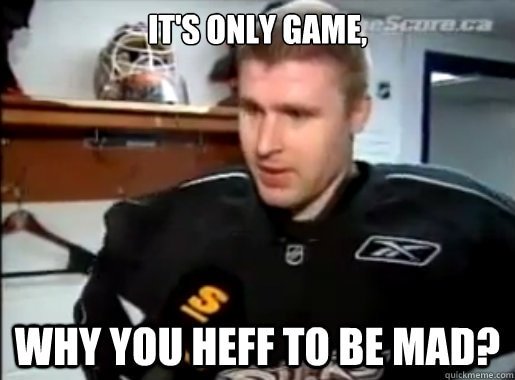
It’s not just a game; people often react emotionally because games trigger competitive instincts, personal investment, or frustration when things don’t go their way.
Ever found yourself shouting at the screen, controller in hand, heart pounding? The question, “is only game why you have to be mad” often echoes around the gaming community. We see it all the time.
It is easy to say “it is just a game”, but for many, a game involves time, skill, or even social connections. Therefore, it is natural for people to have an emotional reaction when that investment seems threatened.

Is Only Game Why You Have To Be Mad?
Okay, let’s talk about something we’ve all seen, maybe even been a part of: getting super, super angry when playing a game. It could be a video game, a board game, even a simple card game. Someone loses, or something doesn’t go their way, and suddenly, boom! The mood shifts. They’re not just a little disappointed, they’re mad. But why? I mean, it’s just a game, right? Let’s dive deep into why games can make us feel so much, and what we can do to keep the fun in gaming.
The Emotional Rollercoaster of Gaming
Games are designed to be engaging. They tap into our emotions in different ways. Sometimes it’s the thrill of victory, the excitement of a close match, or the satisfaction of solving a challenging puzzle. But with those highs also come the lows – the frustration of losing, the annoyance of a tricky level, and the disappointment of a bad roll of the dice. Here are some key reasons why games can get under our skin:
The Drive to Win
Humans have this thing – we like to win. It feels good. When you’re playing a game, that drive to win kicks in. It’s natural. We all like that feeling of accomplishment, of doing well and seeing our efforts pay off. When we lose or when our progress is stopped, it can feel like a personal failure, even if it’s just a game. This desire to be the best, to show off skills, can be very intense for some people and trigger anger if they feel they are not achieving their goal.
The Illusion of Control
Many games give us the illusion that we are completely in charge. You decide what to do, you make the moves, and you believe you have control over the outcome. But sometimes, factors that you cannot control come into play – luck, random events, or even the actions of other players. When that happens, and you feel like you’re losing control, it can be really frustrating. This loss of control is a common trigger for anger and makes some people act out.
Competition and Stakes
Games are often competitive. You’re trying to beat someone else, whether it’s a friend, a family member, or an opponent online. That sense of competition can make things more intense and can increase the feeling of loss. In some cases, there can also be real stakes involved – a prize, bragging rights, or even just feeling like you need to prove yourself. Higher stakes mean higher stress and can cause a stronger emotional response when things go south.
Personal Investment
Sometimes, it is not just about the game itself; we also get personally invested. Maybe you’ve spent hours building something in a video game, or you’ve practiced a certain strategy for weeks. When those things fail, it can feel like a personal attack. The time and effort put into the game can lead to a stronger feeling of frustration when things don’t go your way, making the sting of defeat more painful.
The Physiological Response
When we get angry, our bodies react physically. Our heart rate goes up, our muscles tense, and we might even start to sweat. These physical reactions can intensify the feeling of anger and make it harder to calm down. This physiological change, in combination with the emotional stress of losing, makes it a lot more difficult to handle our frustration.
Types of “Game Rage”
Game rage can look very different from person to person. It is not always yelling and throwing things; here are some ways it can show up:
- The Silent Treatment: Some people get quiet and withdrawn, not talking to anyone around them. They’re still feeling angry but they are internalizing their emotions.
- The Controller Slam: You’ve probably seen this before – someone slams their controller on the table or throws it across the room. This is a very obvious sign of anger and can be very destructive.
- The Verbal Outburst: This includes yelling, shouting, or using unkind words. These outbursts can be directed at other players or even at the game itself.
- The Blaming Game: This is when people blame everyone and everything but themselves for their loss. They might blame the game, the controller, their teammates, or even the weather.
- The Quitter: Some people simply give up and quit the game when they start losing. They might not be throwing a tantrum, but this also shows they are not coping well with losing.
Is it Just a Game? The Serious Side
While the phrase “it’s just a game” is often used to downplay emotions, it’s important to understand that the feelings we experience while gaming are real. The feelings of anger, frustration, disappointment are not imaginary. Dismissing these feelings can actually make them worse. Even though it is “just a game,” our emotional reaction to it can tell us something important about ourselves.
The Impact of Stress
Consistently getting angry and frustrated while gaming can create a lot of stress. Stress, if it lasts for a long period of time, is bad for your mind and body. This can lead to problems with sleep, mood changes, and difficulty concentrating. The more stressed you get over a game, the harder it becomes to enjoy the game and other aspects of your life.
Relationships and Social Impacts
Being overly angry and competitive when playing with others can harm relationships. Nobody wants to play with someone who is always mad. If you find that your game rage is making it harder to connect with friends and family, it’s definitely time to take a step back and reflect. Games are meant to be social and fun and shouldn’t be a source of tension.
Potential for Real-Life Issues
For some people, the anger they feel while gaming can be a sign of bigger problems. If the feelings of anger are becoming very strong and hard to handle, and they are transferring into other aspects of life, it is something to take note of. Gaming is a safe space for emotions, but the negative feelings should not overspill into other situations.
How to Keep Your Cool: Strategies for Fun and Calm Gaming
The good news is that there are ways to handle the anger and keep gaming fun. Here are some tips:
Recognize Your Triggers
The first step is to pay attention to what causes your anger. Is it a specific game? A specific situation within the game? Certain types of players? Once you know your triggers, you can be more prepared for when they happen. By noticing the patterns, you can start to prepare yourself to respond differently.
Take a Break
When you feel yourself getting angry, the best thing to do is to take a break. Walk away from the game. Do something else for a while. Take deep breaths. This allows your body and mind to calm down. Once you are feeling more relaxed, you can return to the game with a clearer mind.
Focus on the Fun
Remember why you started playing games in the first place: for fun! Try to enjoy the process and not just focus on winning or losing. Think of the game as a way to relax, socialize, and challenge yourself. If you’re not having fun, maybe you should consider trying another game that is more fun for you.
Practice Mindfulness
Being mindful means paying attention to the present moment without judgment. When you play a game, focus on your senses. Notice the colors, the sounds, and how your body feels. This can help you stay calm and focused. By practicing mindfulness, you can reduce the emotional reactivity you feel while gaming.
Acceptance and Perspective
It’s important to accept that you can’t win every game. It’s just not possible. Everyone loses sometimes. It’s a part of the experience. Try to see the bigger picture and remember that it’s just a game. When we have a different way of viewing the game, we can handle the wins and losses differently, too.
Communicate and Connect
If you’re playing with other people, talk to them about how you’re feeling. Let them know that you’re feeling frustrated and need a break. Good communication with others can help you feel supported and understood. It also helps prevent tension from building in the group.
Healthy Lifestyle Choices
Taking care of your body can help you manage your emotions better. Ensure you are getting enough sleep, eating good food, and staying active. A healthy mind and body can help you manage stress and prevent anger more effectively.
Seek Help When Needed
If you find that your anger is becoming a big problem and is affecting your life, don’t be afraid to ask for help. There are lots of ways to get support – talking to a therapist or counselor, or even discussing it with a trusted friend or family member. Getting help is always a sign of strength, not weakness.
A Table to Summarize Strategies:
Here is a quick table that summarises the strategies:
| Strategy | Description |
|---|---|
| Recognize Triggers | Pay attention to what makes you angry during games. |
| Take a Break | Walk away from the game when you feel frustrated. |
| Focus on Fun | Enjoy the game process rather than just focusing on winning. |
| Mindfulness | Pay attention to the present moment during gaming. |
| Acceptance | Understand that losing is a normal part of games. |
| Communicate | Talk to other players when you’re feeling frustrated. |
| Healthy Lifestyle | Eat well, exercise, and sleep enough for overall well-being. |
| Seek Help | Don’t be afraid to seek professional help if needed. |
Ultimately, games are meant to bring us joy, not frustration. Learning to control emotions is an important skill that we can learn in gaming. When you can control your anger, gaming becomes even more enjoyable, and your relationships with others will improve.
Why you heff to be mad? (Original)
Final Thoughts
Ultimately, remembering the core purpose of gaming is key. It’s about enjoyment, challenge, and connection. We must not let frustration consume us.
When things don’t go our way, keeping perspective is important. It’s a digital space meant for fun, not anger. It is only game why you have to be mad?
So, take a breath and remember it’s okay to lose. Your mental health is always more important than any win.

