
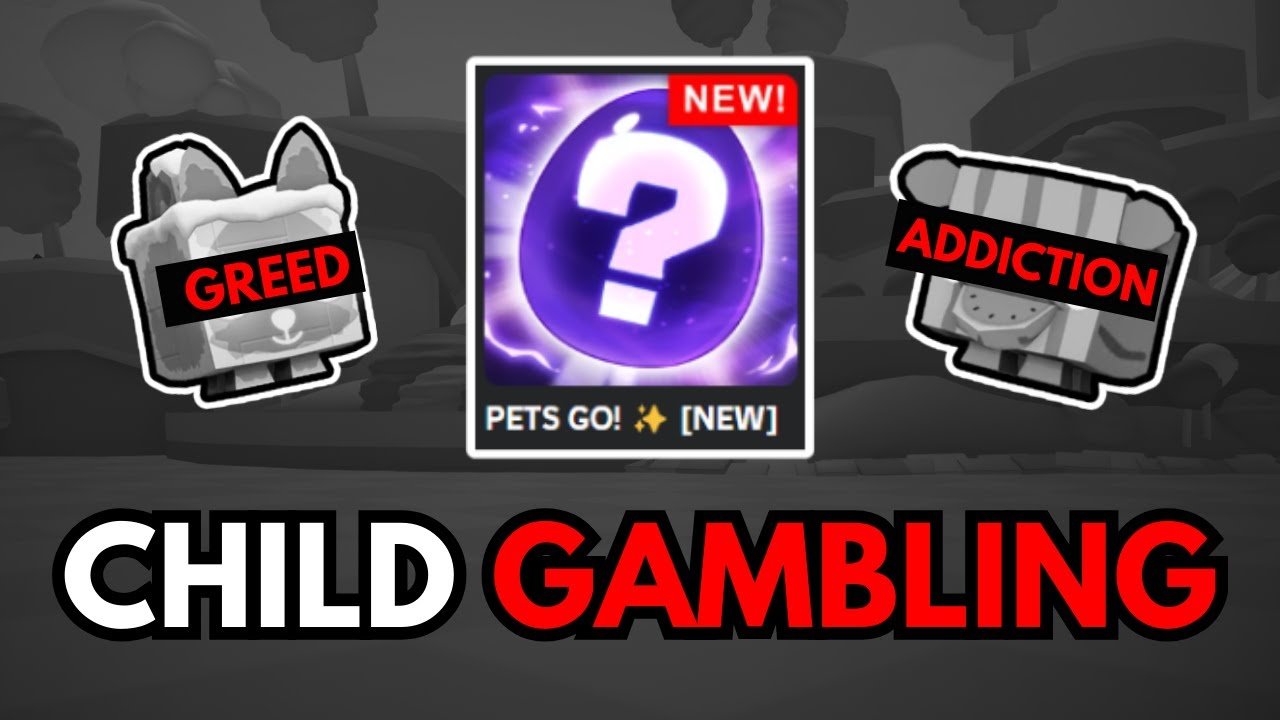
No, Pets Go is not a gambling game. It focuses on collecting and caring for digital pets, not wagering or winning real-world money.
Ever wondered if your favorite digital pet game might secretly be a gamble? People frequently ask, “is pets go a gambling game?” The lines between gaming and gambling can sometimes seem blurred, especially with the rise of in-app purchases.
We often see similar discussions regarding loot boxes and similar mechanics. This brings up the important question of what truly defines a gambling game versus a game. Many parents want to know if their children play a safe game, not taking any risk on real money.

Is Pets Go a Gambling Game?
The idea of whether “Pets Go” acts like a gambling game is something many people think about, and it’s important to understand what’s actually going on. Let’s take a closer look. When we talk about gambling, we usually mean games where you bet money (or something valuable) hoping to win more, but you also risk losing what you bet. These games are built on chance, and there’s no sure way to win. So, is “Pets Go” like that? It has some elements that may feel like gambling, but it is also different in key ways.
Understanding the Core Mechanics of Pets Go
Let’s look at the basic ways “Pets Go” works. At its heart, “Pets Go” is a game where you collect pets and combine them to get more powerful ones. You do this by spending in-game currency or items. This feels like opening a loot box in other games because you don’t know exactly which pet you’ll get. You could get a super-rare pet or a common one. The element of surprise is very much there.
Here’s how it breaks down:
- Collecting Pets: You acquire pets through various game methods. Some methods might feel more random than others, such as getting them from certain game events.
- Combining Pets: You fuse pets to create potentially better ones. It’s not always guaranteed that you’ll get an improved outcome, introducing a level of unpredictability.
- In-game Currency: You often need to spend virtual coins or tokens to get more pets. You can usually earn these through playing, but sometimes you might need to buy them with real money, which is a point where the idea of gambling is raised.
So you use in-game resources to get pets, but sometimes what you get is not what you want. This chance aspect is what some people see as similar to gambling.
The Role of Chance in Pets Go
The element of chance is a big part of what makes some people think that “Pets Go” might be similar to gambling. When you combine pets, there’s always a degree of unpredictability. You might combine two common pets hoping for a rare one, but instead end up with another common one, or sometimes even a worse one. You can never be fully sure what you’ll get, which is the defining trait of chance based games. The same goes for opening any pack, box, or case; you don’t know what you’re getting until you open it up.
Think of it like opening a mystery gift; you might get something great, or something not so great. That thrill of the unknown is part of the game’s design and keeps you engaged. This is where the similarities with gambling begin to show, but the game differs in how it works with real money and prizes.
Comparing Pets Go to Traditional Gambling
It is important to compare “Pets Go” to games of chance that are typically known as gambling to see if the two are similar. Games such as slots or poker rely on luck and betting, where you can win or lose real money. “Pets Go”, in contrast, generally deals with in-game items and virtual currencies.
Key differences between “Pets Go” and gambling:
- Real Money vs Virtual Currency: Traditional gambling typically involves betting actual money, while “Pets Go” often uses virtual currency that you earn within the game or buy.
- Real-World Prizes vs In-Game Items: When you win a gambling game, you can often get real money or a valuable prize, but “Pets Go” rewards are typically game items or better pets with no real monetary value.
- Regulations: Gambling is often regulated by laws, while “Pets Go” generally isn’t, though regulations may be applied based on country or area.
- Monetary Loss: In traditional gambling, you can lose significant amounts of real money. In “Pets Go”, the financial loss is usually limited to what you choose to spend on in-game purchases.
These key differences mean that while “Pets Go” has some chance aspects, it does not share the same level of financial risk as gambling. While you might spend money to get better items in “Pets Go,” those items generally can’t be converted back into real money.
The Psychology of Chance and Engagement
Let’s look at why the chance element in “Pets Go” keeps people interested. This kind of game design often plays on the psychology of uncertainty. Humans are programmed to enjoy the thrill of a potential reward, even when the odds are not in their favor. The idea that the next combination or purchase might give them the rarest pet makes people want to keep playing.
How the psychology works:
- Anticipation: The build-up before getting a pet or combination is exciting, you are wondering what you’ll get next.
- Reward Seeking: The brain releases chemicals associated with pleasure when you get a good outcome, like getting a rare pet.
- “Near Misses”: Even when you don’t get the best outcome, feeling like you almost got it can make you want to play more.
- Variable Rewards: Getting random, unpredictable rewards is more enticing than getting the same reward every time.
This psychology isn’t exclusive to “Pets Go”. Many games, social media, and even daily life have aspects of randomness that keeps us hooked. Game developers are aware of these patterns of behavior and design games to keep them engaging.
Potential Concerns with In-Game Purchases
Even though “Pets Go” might not be considered gambling, the idea of spending real money on virtual items raises some questions. Some players may be tempted to keep buying in-game currencies hoping for that very rare pet, or the best combination. When people start spending beyond what they intended on these, the game can become a problem for that individual.
Things to Consider:
- Budgeting: It’s a good idea to set a limit on how much money you want to spend in the game.
- Self-Control: Being aware of the game’s tricks for engagement can help you make good choices on spending.
- Parental Guidance: For younger players, parents may want to monitor how much they’re spending in the game.
- Time Management: It’s not just money, but it’s a good idea to be aware of how much time you’re spending in the game also.
It is important to play the game responsibly to get the most enjoyment out of it. Remember that the main purpose of “Pets Go” is for entertainment.
The “Pay-to-Win” Aspect of Pets Go
Another concern that people may have with “Pets Go” or similar games is the concept of “pay-to-win”. In these scenarios, someone who spends real money to obtain premium items or game resources, can gain an advantage over the players who do not spend money. “Pets Go”, as well as many other games, sometimes use this approach. This may give someone an advantage when it comes to acquiring better pets, which can make other players think the game is unfair.
How “Pay-to-Win” Works:
- Faster Progression: Spending money might allow players to go through the game quicker.
- Better Items: Spending real money can get access to better items, currency and pets that might be harder for free players to acquire.
- Competitive Advantage: Paying players might have a competitive advantage when it comes to the game’s events and rankings.
This is another point that has people think “Pets Go” is a kind of gambling, because players may be more likely to spend money in the hopes of winning, instead of relying on luck and normal play.
How Laws and Regulations Affect Games like Pets Go
The way games like “Pets Go” are seen under the law is a gray area. Because they don’t directly use real money in the same way as gambling games do, they’re not always under the same rules. There’s an ongoing discussion about how these games should be regulated and what rules they should follow.
Things that are often being reviewed:
- Loot Boxes: There is a lot of debate about whether these systems should be more regulated, especially because young people might not understand the odds.
- Spending Limits: Some areas are considering ways to put limits on how much money people can spend on in-game items.
- Transparency: There is talk about making game developers show the odds of getting different items, so players are fully aware of the probabilities.
The laws may vary depending on where you are from, so these types of games are still under review in many parts of the world. As time goes on, they may fall under more regulations.
Responsible Gaming and Mindful Play
The most important thing, whether you’re playing “Pets Go” or any other game, is to play responsibly. It’s essential to keep in mind why you play games – for fun and enjoyment. When it becomes less enjoyable, or more stressful, it’s a good sign to stop.
Tips for Playing Responsibly:
- Set Limits: Have a spending and time budget for the game.
- Take Breaks: Don’t play for very long periods without taking breaks.
- Don’t Chase Losses: Avoid the mindset of trying to win back what you’ve spent.
- Prioritize Other Activities: Make time for hobbies and social interactions.
- Seek Support: If you have difficulties stopping playing or overspending, talk to a trusted friend, family member or a professional.
The main purpose of playing games is entertainment, and it’s important to keep that perspective.
While “Pets Go” has elements of chance that can be seen as similar to gambling, it is not the same as traditional gambling games. It uses virtual currency, and does not have the same kind of financial risks as games where you bet real money. The game designers intentionally use psychological tricks to keep people engaged, and sometimes may introduce the concept of “pay to win”, but by playing responsibly, having self-control, and being aware of these game mechanics, you can have a fun and enjoyable time with the game. The laws and regulations surrounding these games are constantly evolving, and it’s important to stay aware of the potential concerns of spending money within games, especially for younger players.
The Scummiest Game On Roblox
Final Thoughts
Pets Go’s reliance on random egg hatches and varying pet rarities makes it feel like chance. Players spend in-game currency hoping for desired results, just like gambling. This creates a system where success isn’t purely skill-based.
The game’s mechanics mean you must rely on luck with each hatch. Is Pets Go a gambling game? The feeling certainly is there. This system is present throughout core gameplay and progression.

