
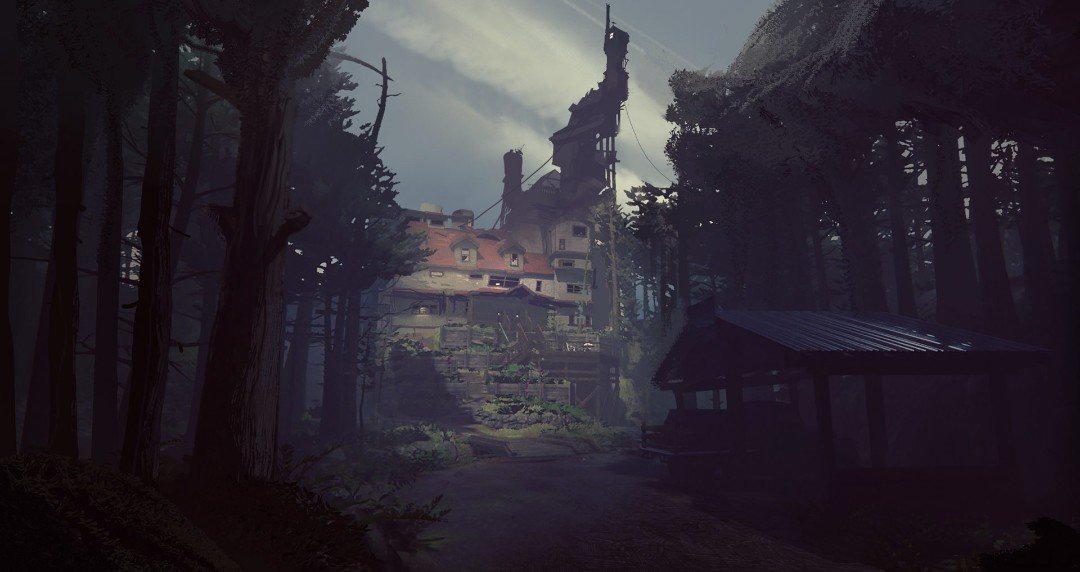
While it contains moments of suspense and unsettling imagery, What Remains of Edith Finch is not a horror game; it is a narrative exploration of family tragedy and acceptance.
Many players approach What Remains of Edith Finch with a sense of trepidation, questioning, is what remains of edith finch a horror game? The game’s atmosphere and themes certainly evoke a feeling of unease. However, this feeling stems more from the melancholy of its story than from traditional horror scares.
The narrative focuses on the tragic fates of a family, told through imaginative and often surreal vignettes. It’s this focus on emotional depth, rather than cheap thrills, that defines the experience.

Is What Remains of Edith Finch a Horror Game?
When you first play What Remains of Edith Finch, you might not think “horror game.” It’s a beautiful game, full of colorful characters and amazing stories. But as you explore the Finch family’s unusual house and learn about their tragic past, you might start to wonder: is this actually a horror game in disguise? Let’s dive deep into this question and explore what makes this game so compelling, and sometimes, so unsettling.
Defining Horror: More Than Just Jump Scares
To figure out if Edith Finch fits into the horror category, we first need to understand what makes a game “horror.” It’s not just about things that go “boo!” Real horror often plays with your emotions, creates a sense of dread, and makes you feel uneasy. It explores themes like death, loss, and the unknown. Think about classic horror movies – they don’t always rely on jump scares. Sometimes, the creepiest things are the quiet moments, the lingering questions, and the feeling that something terrible is about to happen.
Let’s consider some key elements often found in horror games:
- Atmosphere: A creepy setting with unsettling sounds and visuals.
- Psychological Tension: Playing with your mind, making you feel anxious and worried.
- Unsettling Themes: Topics like death, loss, and the macabre.
- Jump Scares: Sudden, loud surprises intended to make you jump.
- The Threat of Danger: Feeling like something bad could happen to the character you’re playing.
Now, let’s see how What Remains of Edith Finch stacks up against these elements.
The Atmosphere of Unease in Edith Finch
The Finch house itself is a character in the game. It’s not just a normal house; it’s a labyrinth of hidden passages, locked rooms, and strange architectural choices. The way it tilts and turns, the cluttered rooms, and the sense of decay definitely set a slightly disturbing scene. Each room is a time capsule, reflecting the life (and often, the death) of a previous Finch family member.
Visual Details
The game uses lighting and colors to create specific moods. The dim, flickering lights in the house, the dark shadows in corners, and the way the sunlight streams through dusty windows – these are all carefully crafted to add to the feeling that something isn’t quite right. The use of slightly exaggerated, almost cartoonish character models further this peculiar atmosphere. It’s not meant to be terrifying, but it’s definitely meant to be unsettling. The detailed objects in the environments that show the past lives of the Finch Family provide subtle hints of tragedy and death.
Sound Design
The sound design also plays a major role in crafting a sense of unease. The creaking of the house, the rustling of wind, the distant howls, and the sometimes strange background music, these noises create a layer of tension. Even when nothing obviously scary is happening, the sounds make you feel like something might. The voice acting, particularly Edith’s narration, adds a layer of introspection and sadness that amplifies the emotional impact of the stories.
Psychological Horror: The Real Threat in Edith Finch
While Edith Finch might not have monsters chasing you, it excels in psychological horror. The stories you experience aren’t filled with jump scares; instead, they are about the fear of death, the fragility of life, and the weight of family history.
The Unreliable Narrator
Edith acts as the primary narrator, guiding us through her family history. However, her own understanding of events might be incomplete. The stories are seen through the lenses of different family members, and their perceptions could be warped by personal experiences, childhood imagination, or mental instability. This makes the game a bit mysterious, and leaves the player to wonder if what they are seeing is the actual truth.
The Fear of the Unknown
Many of the deaths in the game remain unexplained or ambiguous. We see the events unfold, often in a fantastical manner, but we’re never given a definitive answer about what “really” happened. This uncertainty is a big part of the game’s horror. We’re left with questions and a feeling that there are darker forces at play, whether real or imagined. This fear of the unknown is more impactful than a simple monster jump-scare.
Themes of Loss and Mortality
Every story you play is about death – the death of a family member. These deaths aren’t presented as action-packed scenes but as quiet tragedies that have been building for generations. This focus on loss and the inevitability of death creates a pervasive sense of sadness and dread that can be quite disturbing. The game doesn’t shy away from presenting the more tragic and uncomfortable aspects of these losses.
Exploring the Fantastical and the Disturbing
One of the unique things about Edith Finch is how it mixes the real with the surreal. The stories often take on a fantastical quality, transforming mundane events into something magical, and sometimes disturbing. These shifts in reality contribute to the game’s unsettling tone.
The Power of Imagination
The game suggests that the Finch family may have been cursed. We see how children used their imagination to make sense of their world and their unique situations, but that could be a factor of delusion or the actual reality of the curse. This blurring line between reality and fantasy adds a layer of uncertainty. Is the game’s portrayal of the events literal, or are they filtered through the lens of imagination and grief?
Surreal Storytelling
The stories often become quite imaginative. We see a factory worker becoming a monster, a boy turning into an animal, and a little girl flying a kite into the sky. These sequences are visually stunning but can also be quite disturbing. The surreal nature of these stories enhances the feeling that something is very wrong in the Finch family, blurring the lines between reality and fantasy.
Does it Rely on Jump Scares?
No, What Remains of Edith Finch does not use jump scares. There are no monsters popping out from behind corners or sudden, loud noises. The game’s horror comes from its themes and atmosphere, not from cheap thrills. While some scenes are visually surprising, they’re not designed to startle but to evoke an emotional response of sadness, unease, or fascination.
Comparing Edith Finch to Other Horror Games
To understand better how Edith Finch fits into the horror genre, it’s helpful to compare it to other popular horror games:
Classic Survival Horror
Games like Resident Evil or Silent Hill rely on combat, inventory management, and jump scares. These games put the player in direct danger. In contrast, Edith Finch is a story-driven experience, and there is no immediate threat to the character you’re playing. The horror comes from learning about the past and the unsettling situations the Finch family faces.
Psychological Horror Games
Games like Amnesia: The Dark Descent or Layers of Fear use atmosphere, visual distortions, and psychological manipulation to create fear. While Edith Finch doesn’t directly manipulate the player in the same ways as these games, it does use similar techniques to build tension, focusing on the weight of the past and the inevitability of death.
“Walking Simulators” with Horror Elements
Games like Gone Home or Firewatch are story-driven games that explore themes of mystery and intrigue through environmental storytelling. Edith Finch takes this concept further, delving into darker themes and creating a more palpable sense of dread. While not always seen as traditional horror, these games use similar methods to create a suspenseful, almost unnerving experience.
Here’s a quick table summarizing the differences:
| Game Type | Key Elements | What Remains of Edith Finch |
|---|---|---|
| Survival Horror | Combat, jump scares, monster encounters | Does not use these elements |
| Psychological Horror | Atmosphere, mental manipulation, dread | Uses these techniques to create a sense of unease |
| Walking Simulators | Exploration, story-driven, environmental clues | Uses environmental storytelling to deliver a deeper, more tragic narrative |
Why the Debate?
The debate about whether Edith Finch is a horror game comes from the fact that it blends elements of different genres. It’s not a traditional horror game, but it uses horror elements to explore complex themes. It’s a game about tragedy, loss, and family secrets, but it uses a setting and narrative that creates a constant sense of unease. The focus on death and the fantastical presentation of traumatic events can be unsettling, leading some players to classify it as a type of horror game.
Ultimately, whether you consider What Remains of Edith Finch a horror game may come down to your definition of the genre. It certainly doesn’t fit the traditional mold of action-packed horror games. But if we expand our definition to include psychological horror, unsettling themes, and a pervasive sense of dread, then it absolutely has a case for being placed within the horror category.
So, is What Remains of Edith Finch a horror game? Perhaps the most accurate description is a tragic story with horror undertones. It’s a game that stays with you, prompting reflection on life, death, and the weight of our own stories.
HE WANTED TO FLY | What Remains of Edith Finch
Final Thoughts
Ultimately, is what remains of edith finch a horror game depends on individual interpretation. The game utilizes unsettling atmosphere and tragic deaths; these elements evoke fear and dread. It is not jump-scare focused, yet it creates a pervasive sense of unease.
The narrative’s focus on inescapable fate and loss can be considered a deeply psychological form of horror. Players must confront mortality and grief, making it a haunting, must experience. This exploration sets it apart from typical horror.
Therefore, while it lacks conventional frights, the emotional impact and themes make the argument for its horror label a valid one.

