
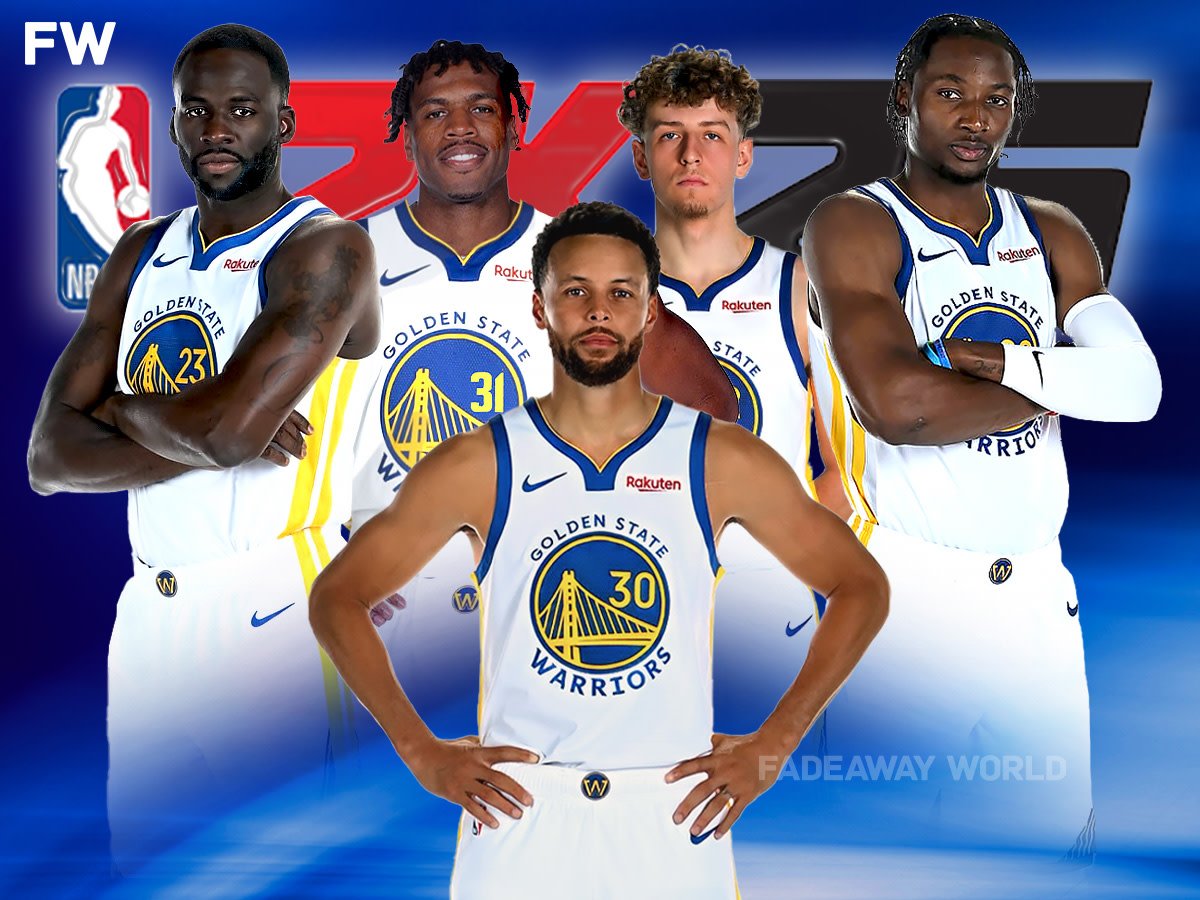
NBA 2K25 player statistics analysis
reveals how ratings impact gameplay, allowing players to understand strengths, weaknesses, and make strategic roster choices.
Delving into the numbers is crucial for any serious NBA 2K player, and that’s exactly what we are doing here. We’re dissecting the data to give you a clearer picture of how to best use your favorite athletes. Through a thorough NBA 2K25 player statistics analysis, we’ll explore what those ratings actually mean.
Understanding the core stats like shooting percentages, rebounding ability, and passing skills can give you a huge advantage. We’ll examine how different builds, positions and player types, impact your on-court performance.

NBA 2K25 Player Statistics Analysis
Let’s dive deep into the world of NBA 2K25 and explore what makes the player statistics so important! In this game, numbers tell a story. They show how good a player is at different things, and they help you decide who to add to your team. Understanding these stats is like having a secret code that can make you a much better player in the game. We’re not just talking about simple things like how many points someone scores; we’ll be breaking down all sorts of different stats, and show you how they can truly impact your success in NBA 2K25.
Understanding the Basics: Core Attributes
Every player in NBA 2K25 has a set of core attributes. These are like the building blocks of their game. Think of them like the different tools a player has in their toolbox. These stats determine how well they can perform different actions on the court.
Scoring Stats
Let’s start with scoring. These stats tell you how well a player can put the ball in the hoop. It’s not just about how many points they score, but also how they score those points:
- Close Shot: How good a player is at scoring near the basket. A high number here means they’re likely to be successful with layups and dunks.
- Mid-Range Shot: This stat reflects the accuracy of shots from the free-throw line area to just inside the three-point line. Players with a high mid-range shot rating are effective in the post and with step-back jumpers.
- Three-Point Shot: This shows how good a player is at making three-pointers. If you have a player who has a high rating in this area, they will be great for spacing the floor and will be dangerous from distance.
- Driving Layup: Represents the player’s finishing ability when driving to the basket. A high driving layup rating means they can get to the rim and finish effectively.
- Driving Dunk: If a player is a high flyer and can dunk the ball when going to the basket, then this is what this rating will represent. Players with higher dunk ratings can throw down powerful slams.
- Post Scoring: This stat reflects the player’s efficiency when scoring from the low post. Players with a higher score are skilled at utilizing different moves near the basket.
Playmaking Stats
Playmaking is all about setting up your teammates for scores. These stats focus on how well a player can control the ball and create opportunities:
- Ball Handle: A measure of a player’s ability to control the ball, perform dribble moves, and avoid turnovers. This stat is vital for guards and wing players who handle the ball a lot.
- Passing Accuracy: This tells you how well a player can pass the ball to their teammates accurately, without throwing it into the other team’s hands.
- Passing IQ: This attribute dictates how well a player sees the court, how quickly he can react to passing opportunities, and the type of passes that player can execute.
- Speed with Ball: This is how fast a player can move while dribbling the ball, allowing them to effectively push the pace on offense.
Rebounding Stats
Rebounding is a critical part of the game. It’s about getting the ball back after a missed shot. Players with high rebounding stats are very important to have on your team:
- Offensive Rebounding: This stat shows how good a player is at grabbing the ball after their team has missed a shot.
- Defensive Rebounding: This stat shows how good a player is at grabbing the ball after the other team has missed a shot.
Defensive Stats
Defense is just as important as offense. These stats show you how good a player is at stopping the other team from scoring:
- Interior Defense: This stat determines how well a player can guard the paint against post-ups and driving players.
- Perimeter Defense: How good a player is at stopping others from getting past them and scoring from the outside.
- Steal: This stat shows how good a player is at taking the ball away from the other team. Players with high steal ratings can create turnovers and lead to fast breaks.
- Block: How good a player is at blocking or swatting away shots. Players with high block ratings can protect the rim and change the game’s momentum.
Physical Attributes
These attributes play a huge role in a player’s overall game and effectiveness.
- Speed: How fast a player can move across the court. It’s important for both offense and defense.
- Acceleration: This shows how quickly a player can reach their top speed from a standstill.
- Strength: This stat determines how well a player can push others around and how good they are at playing physically.
- Vertical: This stat represents the player’s ability to jump high, which is vital for rebounding, dunks, and blocks.
- Stamina: How long a player can play at a high level without getting tired.
Advanced Stats: Going Deeper
Beyond the core attributes, NBA 2K25 also features advanced statistics. These can provide a more detailed look at a player’s strengths and weaknesses. These stats are often used by NBA coaches and general managers when they are building their teams.
Hot Zones and Tendencies
Every player has “hot zones” on the court, which are spots where they’re more likely to make shots. These zones vary from player to player and can be affected by their attributes and shooting forms.
- Hot Zones: These show up as red on the court when you are choosing your shot. When you shoot from these zones, you have a higher chance of hitting your shot compared to the other areas.
- Tendencies: These represent how a player tends to behave in different situations. For example, a player with a high drive tendency is more likely to go to the basket and attempt a layup. Players have tendencies for how often they shoot the ball, pass the ball, or even use certain moves on the court. Knowing these tendencies helps in planning how to use these players.
Badges
Badges are special abilities players earn based on their attributes and playing style. These can give them an extra edge on the court and make them unique.
- Shooting Badges: These improve a player’s shooting ability in different situations, like “Corner Specialist” and “Catch & Shoot” badges.
- Finishing Badges: These help players score around the basket, with badges like “Giant Slayer” and “Slithery Finisher” for better finishes.
- Playmaking Badges: These enhance a player’s playmaking skills, such as “Ankle Breaker” and “Quick First Step”.
- Defensive Badges: These help players on defense with badges like “Interceptor” and “Rim Protector” for better defense.
- Rebounding Badges: These can help players rebound better, with badges like “Boxout Beast” and “Rebound Chaser” to grab boards easier.
How to Use Stats Effectively
Now that you understand the different stats, let’s talk about how to use them effectively in NBA 2K25:
Building a Balanced Team
It is important to build a team that is not only good at scoring points, but also strong in other parts of the game. A balanced team will have players who are good at different things, giving your team variety and more ways to score and stop the other team.
- Don’t just focus on scorers: While it’s tempting to have a team full of players who can score, it’s important to have players who can rebound, pass the ball, and play defense as well.
- Mix and Match: A mix of players with different strengths will help you win more games. Try to combine different types of players. For example, combine a strong rebounder with a good scorer.
- Look at the Player Roles: Player roles like a scorer, rebounder, playmaker, or defender will help you understand the specific job each player has on your team.
Player Development
In NBA 2K25’s franchise mode, you have the ability to develop players, improving their stats over time. This is great way to make your team better for the future. It is important to watch your players improve in certain areas, and train them to be great.
- Identify Weaknesses: Look at the areas where your players need improvement and focus on training those areas.
- Use Training Drills: There are special training drills in the game that can help you improve your players’ stats quickly. Use these to level up your player’s skill level.
- Track Progress: Keep an eye on your player’s stats and their progress over time, so that you can adjust your training as necessary.
Gameplay Strategies
Understanding player stats can help you create smart gameplay strategies. You can use the information you have about each player to take advantage of mismatches and create better ways to score and stop the other team.
- Exploit Mismatches: Match up your best scorers with weaker defenders, and use players with high passing to set up open shots.
- Use Player Tendencies: Pay attention to player tendencies to predict what they might do on the court, and make your own play based on how the opponent is playing.
- Adjust Your Style: Base your playing style on your players’ strengths. If you have a lot of shooters, try to get open shots. If you have a lot of dunkers, get the ball to the basket.
Analyzing Player Cards
In MyTEAM mode, player cards are the building blocks for your team. Each card displays a player’s stats, badges, and other information you need. It is important to look at these cards carefully to make the best team you can.
- Overall Rating: This is a general number that tells you how good a player is, but you also have to look at the details to see how they play.
- Stats Breakdown: Don’t just focus on the overall. Look at each stats to understand their strengths and weaknesses.
- Badges: Understand what badges each player has so you know what abilities they have.
By diving into these player stats, you can take your game to the next level in NBA 2K25. It’s not just about picking the highest-rated players. It’s about understanding what those numbers mean and building your team with players who fit your play style. So next time you play the game, look at those numbers carefully. They can tell you a lot!
The game is more fun and more challenging when you actually understand how each stat affects how a player performs. By understanding how each player works, you can make a team that is best suited for you and your playing style.
Understanding player statistics in NBA 2K25 isn’t just about knowing what each number means, it’s about using that knowledge to become a better player yourself. Whether you’re trying to win more games in MyCareer, dominate in MyTEAM, or build a dynasty in Franchise mode, a solid understanding of the player stats is essential for you to achieve your goals. Take the time to study these attributes, tendencies, and badges, and you will see an amazing improvement in your game.
Bronny reveals what he thinks his 2K rating should be 👀
Final Thoughts
In conclusion, our examination of NBA 2K25 player statistics reveals crucial insights for competitive gameplay. Analyzing key metrics like scoring averages, rebounding rates, and assist numbers proves essential. These statistics directly impact player performance.
Effective use of this data will significantly improve your virtual basketball strategy. NBA 2K25 player statistics analysis guides informed roster choices. You can clearly identify strengths and weaknesses.
Ultimately, understanding these metrics allows players to build stronger teams. It is imperative to have clear insights when making decisions for game play. You should use this knowledge wisely.

