
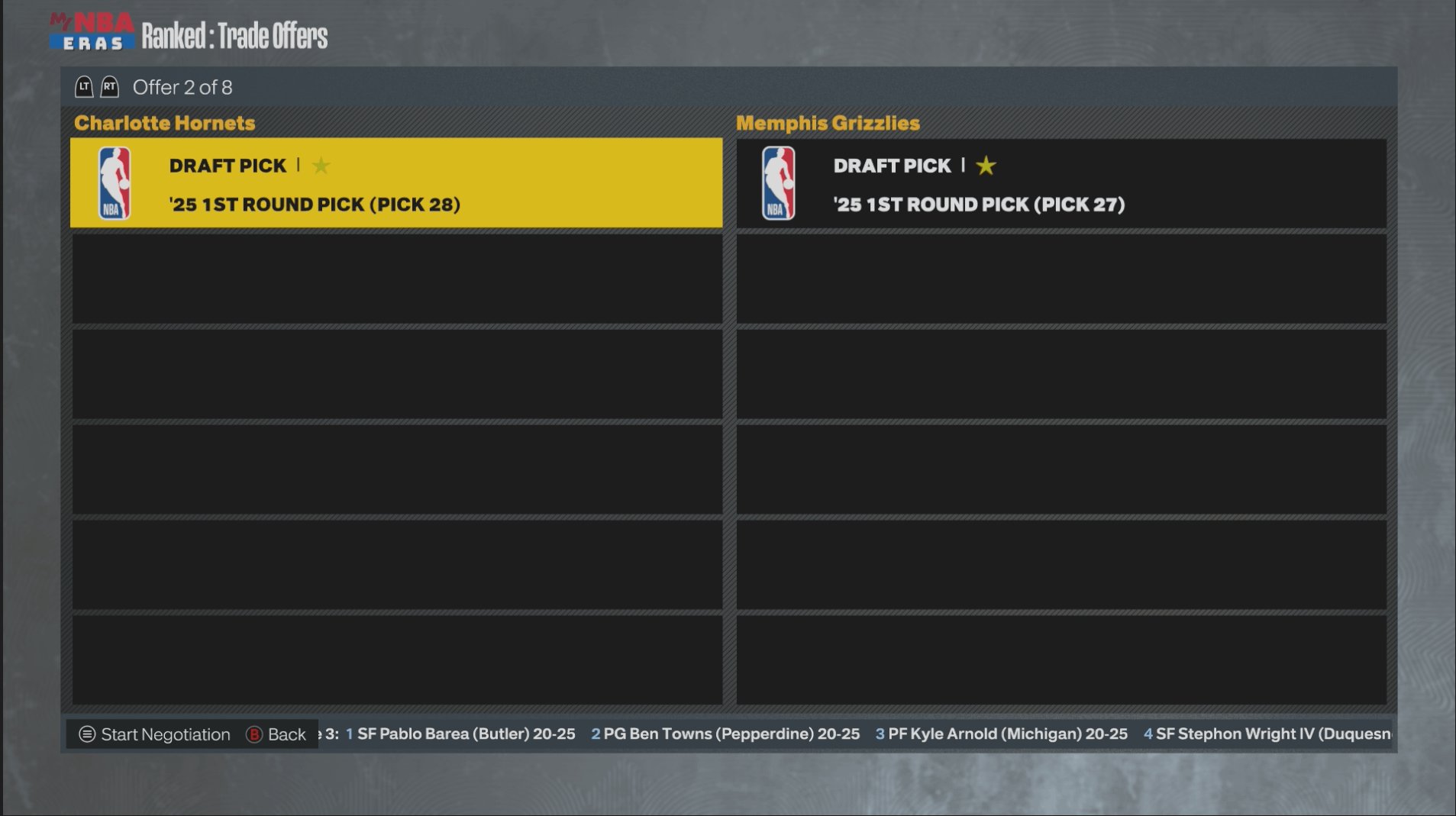
The NBA 2K25 trade logic generally prioritizes player overall rating, potential, and contract value when evaluating potential deals.
Ever find yourself scratching your head at some of the trades happening in your NBA 2K games? You’re not alone! The mysterious world of NBA 2K25 trade logic often leaves players puzzled, wondering exactly what motivates the AI.
We’ve all seen those head-scratching trades where a superstar goes for peanuts, or a team loads up on draft picks seemingly for no reason. Figuring out how to navigate this system can be frustrating but understanding its mechanics is key to improving your franchise mode experience.

NBA 2K25 Trade Logic: Diving Deep
So, you’re itching to build your dream team in NBA 2K25, right? That means you’ll be spending some serious time navigating the tricky world of trades. But how does the game decide which deals make sense? That’s where the trade logic comes in. It’s the secret sauce that determines who gets moved and for what. We’re going to take a deep dive into how this system works in NBA 2K25, so you can become a trade wizard.
Understanding the Basics of Trade Logic
The NBA 2K series, and specifically 2K25, uses a complex algorithm to mimic real-life NBA trades. It’s not just about swapping players with similar overall ratings. Many factors play a part. Let’s break down the key elements:
Player Value
Each player in the game has an assigned value. This value isn’t just their overall rating, though that’s a big part of it. It also takes into account:
- Overall Rating: The most obvious factor. Higher rated players generally have more value.
- Potential: Young players with high potential are more valuable to teams looking to the future.
- Age: Younger players, generally, hold more value than older players with comparable ratings.
- Contract: Players on expensive contracts might be harder to move, while players on cheap, team-friendly contracts are more desirable.
- Role: How well a player fits a team’s needs can affect their value. A team looking for a shooter will value a sharpshooter more than a team overflowing with them.
- Badges and Attributes: Specific attributes and badges can boost a player’s value to certain teams.
Team Needs
Teams in NBA 2K25 are not just blindly trading for the best available player. They have needs. The game simulates team needs based on their roster construction, their style of play, and their short term/long term goals. Here’s how these needs influence trade logic:
- Position Needs: A team lacking a solid point guard will prioritize trading for one. If a team has three dominant centers, they may look to trade one of them to gain positional balance.
- Style of Play: A team that likes to play fast and shoot three-pointers will be more interested in players who fit that style than players that are more suited to a slower, more methodical style.
- Playoff Contender vs Rebuilding: A team that is contending for a championship will focus on getting players who can contribute right away, while a rebuilding team will value young players with high potential and draft picks.
- Salary Cap: Teams have to manage their salary cap, therefore, some teams may be looking to get rid of large contracts, or add some cheap players that can make the team better.
Specific Trade Scenarios: What Works and What Doesn’t
Now, let’s see how this plays out in practice. Here are some common scenarios you might encounter and what to expect:
Trading Superstars
Superstars don’t move easily. A team won’t trade a top 5 player for just anything. They’ll want:
- Multiple high-rated players.
- Top draft picks.
- Young players with elite potential.
Trading a superstar often requires you to give up a good portion of your team’s future.
Moving Role Players
Role players are generally easier to trade. Their value is less volatile than superstars. Trades involving role players are usually based on team needs. For instance, a team that needs more shooters, may want a three point specialist. Some role players, who have excellent contracts, hold very good trade value.
Draft Picks: The Currency of the Future
Draft picks are incredibly valuable in NBA 2K25. They can be used to acquire top young talent in the draft. Here’s why they matter so much:
- High Potential: A high pick in the draft can be used to get a player with huge potential.
- Trade Bait: They can be packaged in deals to acquire more established players.
- Future Flexibility: Teams looking to rebuild heavily value draft picks.
Generally, the higher the pick and the less protections on the pick, the more value the draft pick will carry.
Salary Cap Considerations
The salary cap is a crucial part of trade logic. Here’s how it plays a role:
- Matching Salaries: Trades often need to roughly match salaries to make sense. Teams cannot take on a large contract without giving up a similar contract.
- Tax Implications: Teams near the luxury tax line will be less willing to take on extra salary.
- Expiring Contracts: Players on expiring contracts can have additional value to teams looking to clear cap space in the future.
It’s always important to look at the salary cap of both teams before making a trade.
Age and Potential: The Key for Rebuilding Teams
When you are rebuilding your team, getting young players with high potential are the key to your franchise’s success. Some teams, prefer to trade older players for young players with very high upside. So, if you see a young player that has potential to become an all-star, try to get him on your team.
Advanced Trade Tactics
Now that we’ve covered the basics, let’s go into some more advanced tips to help you dominate the trade market.
Exploiting Team Weaknesses
Pay attention to the rosters of different teams. If you see a team that has weaknesses in certain areas, make offers accordingly. If a team is weak at center, try offering them a center for players at other positions.
Using Multiple Trades
Sometimes you need to make multiple trades to get the pieces you want. You might need to trade a player for picks, and then use those picks to get the player you are really trying to get. You must be very strategic if you plan to make multiple trades.
Trading for Draft Rights
When you want to acquire a player, and that team refuses to trade him, try trading for his draft rights. In some cases, teams will trade their rights for that player for less, compared to the actual player.
Understanding Player Morale and Chemistry
While not a direct part of the trade logic, player morale and chemistry can affect the trade value of players. A player on an expiring contract might not be happy to be traded, therefore his value will go down. In addition to this, a player that has bad chemistry with his teammates is not very desirable for a team, and therefore his trade value goes down. This is why it is important to keep the morale and chemistry of your players high.
The Future of NBA 2K Trade Logic
The trade logic in NBA 2K is constantly evolving and getting more realistic each year. As the game develops, the trade logic will also improve. The developers are always looking for ways to make the game more authentic. Therefore, in the future, we might see trade logic that is extremely similar to real NBA deals.
How to Make the Best Trades
Okay, so how do you put all this knowledge together and come out on top in trades? Here’s a step-by-step guide:
- Assess Your Team’s Needs: Do you need a point guard? A center? More shooters? Be honest about your team’s weaknesses.
- Study Other Team’s Rosters: Look for teams that have excess players that fit your needs, and see if their rosters are missing the players you may have to give up in return.
- Evaluate Player Value: Look at players’ overall ratings, potential, contract, and how they fit in with your style of play.
- Look at the Salary Cap: Before making any trade, analyze the salary cap of both teams.
- Offer Fair Trades: Don’t try to lowball teams. Offer trades that make sense for both sides.
- Be Patient: Sometimes you might need to take some time before making the right trade.
Remember, the trade market is a game of give and take. Be patient, be strategic, and most importantly, have fun!
By understanding how the trade logic works in NBA 2K25, you can get an edge over other players and build a championship caliber team in your MyLeague mode, or franchise. Try to acquire the best young players with high potential, and don’t overpay for veterans. Managing your salary cap and your team’s chemistry is very important. So, dive in, start making deals, and build your dynasty!
How To Trade Players (How To Force Trades) in NBA 2K25 MyNBA Eras
Final Thoughts
In summary, we’ve explored the importance of NBA 2K25 trade logic. It significantly impacts franchise mode realism. We can only hope for improvements that accurately reflect real NBA transactions.
The game’s success hinges on this critical aspect. Accurate player values and team needs must be considered. NBA 2K25 trade logic must be revised for better simulation.

