
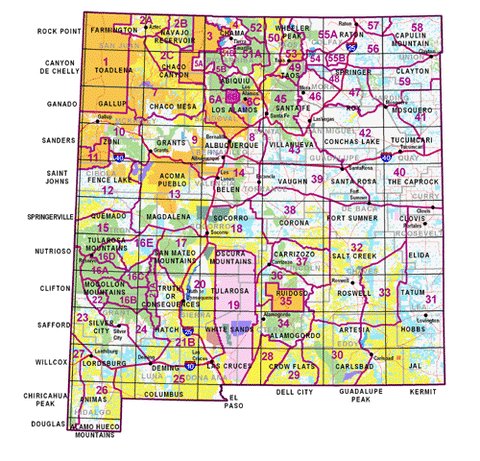
The New Mexico Game Unit Map divides the state into specific areas, each managed for hunting and wildlife conservation. You can find these maps online through the New Mexico Department of Game & Fish or various hunting guide websites, providing boundaries, regulations, and species information for each unit.
Planning a hunting trip in the Land of Enchantment? A crucial tool for any New Mexico hunter is the new mexico game unit map. Navigating New Mexico’s diverse terrain requires understanding these designated zones.
These maps are essential for knowing where you can legally hunt, what species are present, and specific regulations that apply. They provide a clear picture of the hunting landscape.
We will guide you on how to get the most out of these maps. You will be prepared to confidently navigate New Mexico’s hunting grounds.

New Mexico Game Unit Map: Your Guide to Hunting Success
Understanding the New Mexico Game Unit Map is crucial for any hunter planning a trip to the Land of Enchantment. It’s your key to knowing where you can legally hunt. It also helps you understand the game populations in different areas.
Navigating the New Mexico Department of Game and Fish (NMDGF) Website
The NMDGF website is your primary resource. It provides interactive maps and regulations. Getting familiar with it is the first step.
Accessing the Interactive Map
Finding the interactive map on the NMDGF website might seem daunting at first. Navigate to the “Hunting” section first. Then, look for a link related to “Maps” or “Hunting Units.”
Clicking that link should take you to the interactive map. This map is usually GIS-based. It allows you to zoom in and out and view specific game management units.
Understanding Game Management Unit Boundaries
Game Management Units (GMUs) divide the state into specific areas. Each unit has distinct regulations and species availability. Knowing the boundaries is essential for lawful hunting.
Unit boundaries are often defined by geographical features. Rivers, roads, and mountain ranges serve as markers. Pay close attention to these landmarks when you’re in the field.
Deciphering the Map Legend and Symbols
The map legend explains the symbols used on the map. Understanding these symbols is critical to interpreting the information. This includes roads, water sources, and restricted areas.
The legend will also show the different colors used to represent each game management unit. Colors help distinguish units that are adjacent to each other. This makes it easier to visualize the hunting area you intend to explore.
Understanding Hunting Regulations by Game Unit
Each game management unit has its own specific hunting regulations. These rules cover the species you can hunt. They also specify the season dates, and license requirements.
You must consult the NMDGF Hunting Rules & Information booklet in conjunction with the map. These booklets are available online. They are also available at license vendors throughout the state.
Big Game Regulations
Big game regulations differ substantially between units. Elk, deer, and antelope are common targets. However, the permits required and seasons vary.
Drawing a tag for certain species can be challenging. Some units are highly coveted. Researching draw odds before applying is a good idea.
Small Game Regulations
Small game regulations also vary by unit. Quail, rabbits, and squirrels are popular small game animals. Regulations pertain to legal hunting methods.
Bag limits and season lengths can differ from big game. Always confirm specific regulations before hunting small game.
Waterfowl Regulations
Waterfowl hunting in New Mexico is concentrated around rivers and wetlands. Regulations are influenced by federal guidelines. These regulations are published annually.
Units near the Rio Grande and other waterways have special waterfowl regulations. Understanding these regulations is critical to ethical hunting.
Essential Features of the Interactive Map
The interactive map provides many useful features. These features help hunters plan their trips. They also help understand regulations.
Zooming and Panning
The ability to zoom and pan allows you to examine specific areas in detail. This is important for identifying boundary lines. It is also useful for locating access points.
Zooming in close can reveal smaller features. This can include streams, trails, and potential camping spots. Panning allows you to move across the map and explore adjacent units.
Layering Information
The interactive map allows you to overlay different types of information. This can include land ownership and topographic features. This layered approach provides a comprehensive view of the hunting area.
Land ownership layers are critical. You need to know if you are on public or private land. Topographic layers show elevation changes and terrain features.
Measuring Distances
The map often includes a tool to measure distances between points. This can be useful for estimating hiking times. It is also useful for determining how far you are from a road or landmark.
Use the measuring tool to plan your routes. This ensures that you are hunting within the boundaries of the unit.
Printing Custom Maps
Many interactive maps allow you to print custom maps. You can specify the area you want to print. You can also choose which layers of information to include.
Printing a custom map gives you a physical reference. This can be useful in areas where cell service is unreliable. It also allows you to mark points of interest.
Understanding Land Ownership
Knowing who owns the land you’re hunting on is vital. New Mexico has a mix of public and private land. Hunting regulations differ depending on ownership.
Public Lands
Public lands in New Mexico include national forests, Bureau of Land Management (BLM) land, and state trust land. Each has its own rules and access regulations.
National forests offer a variety of hunting opportunities. The BLM manages vast tracts of land, particularly in the southern part of the state. State trust land requires a separate permit in addition to your hunting license.
Private Lands
Hunting on private land requires permission from the landowner. Trespassing is illegal and unethical. Always obtain written permission before entering private property.
Some landowners may charge a fee for hunting access. Others may allow hunting for free. Regardless, always respect their property.
Identifying Land Ownership on the Map
The interactive map often includes a layer that shows land ownership. This allows you to clearly distinguish between public and private lands. Use this layer carefully.
Pay attention to the color codes. These indicate the managing agency for public lands. Contacting the managing agency can give you more information about specific rules.
Accessing Game Unit Information Beyond the Map
The interactive map is just one tool for accessing game unit information. There are other resources available through the NMDGF. These resources offer supplemental data.
NMDGF Hunting Rules and Information Booklet
This booklet provides comprehensive information on hunting regulations. It covers all game species. It also outlines specific rules for each game management unit.
The booklet is updated annually. Be sure to consult the most recent version. It is available online and at license vendors.
Hunter Education Courses
Completing a hunter education course is required for many hunters. These courses cover topics such as firearm safety, wildlife identification, and ethical hunting practices. These courses are available online. They are also available in person.
Hunter education courses also provide information on hunting regulations. They also cover responsible land use.
Biologist Reports
The NMDGF publishes reports on wildlife populations. These reports can provide valuable insights into the health and abundance of different game species. The reports can help you choose the best unit to hunt.
Biologist reports can offer data on harvest rates. These reports also cover population trends. This information helps hunters make informed decisions.
Tips for Planning a Successful Hunt in New Mexico
Planning is essential for a successful hunt in New Mexico. Proper planning increases your chances of success. It also ensures that you are hunting safely and ethically.
Scouting the Area
Scouting the area before your hunt is highly recommended. This allows you to familiarize yourself with the terrain. It also helps you identify potential hunting spots.
Scouting can be done in person. It can also be done remotely using satellite imagery. Look for game trails, water sources, and other features that attract wildlife.
Checking Weather Conditions
New Mexico weather can be unpredictable. Check the forecast before your hunt. Prepare for changing conditions.
Be aware of temperature extremes. Dress in layers. Bring rain gear. Also, be cautious of fire danger.
Packing Essential Gear
Pack all the necessary gear for your hunt. This includes appropriate clothing, footwear, and safety equipment. Also include navigation tools.
Don’t forget essentials like food, water, and a first-aid kit. Bring a map and compass, even if you are using a GPS.
Respecting Wildlife and the Environment
Respect wildlife and the environment. Practice ethical hunting. Leave no trace behind.
Pack out all trash. Avoid disturbing wildlife unnecessarily. Follow all hunting regulations.
Staying Safe in the Field
Safety is paramount when hunting. Tell someone where you are going and when you expect to return. Carry a communication device.
Be aware of potential hazards such as wildlife, weather, and rough terrain. Know how to use your firearm safely. Take a first aid course.
Common Mistakes to Avoid When Using the Game Unit Map
Several common mistakes can occur when using the game unit map. Avoiding these mistakes will ensure a safer and more successful hunt. They also help ensure you are following the law.
Misinterpreting Boundary Lines
Misinterpreting boundary lines can lead to hunting in the wrong unit. This can result in fines and other penalties. Always double-check the boundaries.
Use GPS and a map to confirm your location. When in doubt, err on the side of caution. Avoid hunting near boundary lines.
Ignoring Land Ownership Information
Ignoring land ownership information can lead to trespassing. Always verify that you have permission to hunt on the land. Do this before you start hunting.
Contact the landowner or managing agency. This will clarify any questions.
Failing to Consult the Hunting Regulations
Failing to consult the hunting regulations can result in violations. This is easily avoided. Always review the regulations.
Pay attention to species-specific rules. Look at season dates. Note any restrictions on hunting methods.
Relying Solely on Technology
Relying solely on technology can be risky. GPS devices can fail. Cell service can be unreliable. Always have backup plans.
Bring a map and compass. Learn how to use them. Don’t rely entirely on electronic devices.
Underestimating the Terrain and Weather
Underestimating the terrain and weather can lead to dangerous situations. Prepare for challenging conditions. Be aware of the risks.
Dress appropriately. Bring plenty of water. Be prepared for changing weather patterns.
Resources for Further Assistance
If you have questions about the New Mexico Game Unit Map or hunting regulations, contact the NMDGF. Several other resources are available for assistance.
NMDGF Contact Information
The NMDGF has offices throughout the state. Contacting the NMDGF is easy. You can call them. You can also email them.
Contacting them provides access to experienced staff. Staff can answer your questions. They can clarify any confusion about the map or regulations.
Local Hunting Organizations
Local hunting organizations offer valuable resources. They offer guidance to hunters. They also offer opportunities to connect with other hunters.
These organizations often host events and workshops. They also can offer insights. The insights can enhance your hunting knowledge.
Online Hunting Forums
Online hunting forums offer a place to ask questions. They allow you to share experiences with other hunters. This is a way to learn from others.
Be aware that information on forums may not always be accurate. Always verify information with the NMDGF.
Sporting Goods Stores
Sporting goods stores often have knowledgeable staff. They can offer advice on hunting gear. They can also offer insights into local hunting conditions.
Many stores also sell hunting licenses. They can also provide copies of the hunting regulations.
By following these guidelines, you can confidently navigate the New Mexico Game Unit Map. This ensures a safe, ethical, and successful hunting experience. Remember, responsible hunting practices are essential for preserving wildlife populations.
Unit 6A | New Mexico
Final Thoughts
The new mexico game unit map provides hunters and outdoor enthusiasts vital information for planning trips. It defines specific hunting areas within the state.
Knowing unit boundaries is crucial for legal and ethical hunting. Using the map aids in understanding regulations and optimizing your hunting strategies.
Ultimately, the new mexico game unit map is an indispensable tool. Plan your next New Mexico adventure using it for a successful and compliant experience.

