
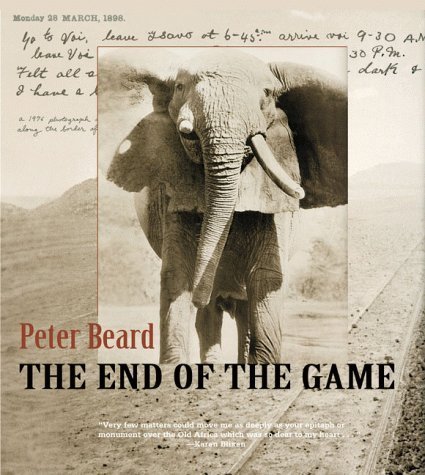
‘Peter Beard: The End of the Game’ documents the tragic decline of elephant populations in Tsavo National Park, illustrating the devastating consequences of overpopulation and habitat destruction.
Peter Beard: The End of the Game isn’t just a book; it’s a haunting visual record of ecological disaster. The photographs depict the shocking reality of elephant mortality in 1960s Kenya, a period marked by mass starvation due to overpopulation within limited park boundaries.
Beard masterfully combines his captivating imagery with poignant diary entries and scientific data, creating a powerful narrative. This reveals the complex interplay of human intervention, animal behavior, and environmental degradation within ‘Peter Beard the end of the game’.

Peter Beard: The End of the Game
Peter Beard’s “The End of the Game” is a seminal work. It’s a photographic and literary journey into the heart of East Africa’s fading wilderness. The book documents the tragic decline of elephant populations in Tsavo National Park during the 1960s.
The Genesis of a Masterpiece
Beard first travelled to Africa in 1955. He was captivated by its vast landscapes and wildlife. This early experience profoundly shaped his artistic vision and his conservationist concerns.
He initially worked as a photographer on a hunting concession. This allowed him to witness firsthand the scale of environmental destruction. The ivory trade was a major contributor to the devastating loss of elephants.
Documenting the Tsavo Elephant Die-Off
The core of “The End of the Game” focuses on the Tsavo elephant die-off. A severe drought in the early 1960s exacerbated the already precarious situation. This caused widespread starvation and death among the elephant population.
Beard meticulously documented the elephant carcasses. He used his photography to create haunting images of devastation. These photographs are stark and emotionally powerful, showing the brutal reality of ecological collapse.
He combined these images with diary entries and historical accounts. This created a multi-layered narrative that is both visually stunning and intellectually stimulating. The book is a powerful testament to the fragility of the African ecosystem.
Beard’s Unique Artistic Style
Beard’s work is characterized by a unique blend of photography and collage. He often superimposed handwritten notes, drawings, and found objects onto his photographs. This created a distinctive and personal style.
His use of blood, both his own and that of animals, added another layer of intensity. It blurred the lines between observer and observed, artist and subject. This technique was highly controversial, but it reflected his deep connection to the natural world.
His artistic process was often chaotic and impulsive. This mirrored the unpredictable nature of the African wilderness. The resulting artworks are raw, visceral, and deeply affecting.
The Book’s Structure and Content
“The End of the Game” is not just a collection of photographs. It’s a carefully constructed narrative with multiple layers of meaning. The book is divided into sections that explore different aspects of the African experience.
Historical Context: Beard provides a historical overview of European exploration and colonization in East Africa. He examines its impact on the environment and wildlife populations.
The Tsavo Die-Off: The central section documents the elephant die-off in detail. It features haunting photographs and statistical data.
Personal Reflections: Beard shares his own thoughts and observations about Africa. He explores themes of mortality, beauty, and the relationship between humans and nature.
Collage and Mixed Media: The book showcases Beard’s unique artistic style. It blends photography with handwritten notes, drawings, and found objects.
Themes of Conservation and Loss
“The End of the Game” is fundamentally a conservationist work. It raises awareness about the plight of elephants and the importance of protecting their habitat. The book serves as a powerful indictment of human activities that contribute to environmental destruction.
The book also explores themes of loss and mortality. The images of dead elephants evoke a sense of grief and sadness. It reflects the fragility of life and the impermanence of nature.
Beard’s personal reflections add another layer of emotional depth. He grapples with his own mortality and the challenges of living in a world facing environmental crisis. His willingness to confront these difficult issues makes the book all the more compelling.
The Different Editions of the Book
“The End of the Game” has been published in several editions over the years. Each edition features different design elements and additional content. This makes them highly sought-after by collectors.
The First Edition (1965)
The original 1965 edition is considered the most iconic and collectible. It features a cloth cover and a minimalist design. The photographs are printed in black and white, giving them a stark and timeless quality.
Black and White Photography: This edition primarily features black and white images, enhancing the starkness of the subject matter.
Minimalist Design: The simple design emphasizes the power of the photographs and text.
Limited Availability: The first edition is highly sought after due to its rarity.
Later Editions
Subsequent editions have included color photographs and updated information. Some editions feature additional essays and interviews with Beard. These later editions offer a more comprehensive overview of Beard’s work.
Color Photography: Later editions include color photographs, providing a different perspective on the African landscape.
Updated Content: Some editions feature updated information about conservation efforts.
Expanded Essays: Later editions include expanded essays and interviews with Beard.
The Impact and Legacy of “The End of the Game”
“The End of the Game” has had a profound impact on the world of photography and conservation. It brought attention to the plight of elephants and raised awareness about the importance of protecting African wildlife. The book helped to inspire a new generation of conservationists.
Beard’s artistic style has also been highly influential. His use of collage and mixed media has inspired countless photographers and artists. His work continues to be exhibited and celebrated around the world.
The book remains a powerful and relevant work today. It serves as a reminder of the urgent need to address environmental challenges and protect our planet’s biodiversity. Its message is more important than ever.
Beard’s Influence on Photography
Peter Beard revolutionized the world of photography. He broke the traditional boundaries of the medium. His experimental techniques and raw aesthetic inspired countless artists.
His collage work, incorporating found objects and handwritten notes, was groundbreaking. It added a personal and narrative dimension to his photographs. This innovative approach set him apart from other photographers.
He didn’t just capture images; he created experiences. His work invites viewers to engage with the subject matter on a deeper level. He blurred the lines between art and life, photography and storytelling.
The Man Behind the Lens
Peter Beard was a complex and enigmatic figure. He lived a life that was as unconventional as his art. He was a socialite, a diarist, and a passionate advocate for conservation.
He befriended many famous artists, writers, and musicians. This included Andy Warhol, Truman Capote, and Mick Jagger. His life was filled with adventure, travel, and creative exploration.
His personal life often intertwined with his artistic practice. His diaries and personal experiences found their way into his work. He was a true original, a maverick who defied categorization.
The Controversy Surrounding Beard’s Work
Beard’s work was not without its critics. Some found his use of blood and dead animals to be disturbing and exploitative. His unconventional lifestyle and social connections also attracted controversy.
However, his defenders argued that his work was a powerful and necessary commentary on the state of the world. They saw his artistic choices as a reflection of his deep connection to the natural world. They believed his work challenged viewers to confront difficult truths about humanity’s relationship with nature.
The debate surrounding Beard’s work continues to this day. It raises important questions about the role of art in society. It also explores the ethics of representation and the responsibilities of artists.
“The End of the Game” as a Collector’s Item
“The End of the Game” is highly sought-after by collectors of photography and art. The first edition is particularly valuable, fetching high prices at auction. Later editions are also popular, but less rare.
The book’s iconic status and its historical significance make it a desirable addition to any collection. Its visual impact and thought-provoking content ensure that it will continue to be admired for generations to come. Owning a copy of “The End of the Game” is owning a piece of art history.
Peter Beard’s Later Career
Following the success of “The End of the Game,” Beard continued to work as a photographer and artist. He traveled extensively, documenting wildlife and landscapes around the world. His work continued to evolve, but it remained rooted in his deep love for Africa and his commitment to conservation.
He worked on numerous projects, including fashion photography and commercial assignments. He always brought his unique artistic vision to everything he did. He collaborated with many leading figures in the art world.
He remained an active artist until his death in 2020. His legacy as one of the most important photographers of the 20th century is secure. His work continues to inspire and challenge viewers around the world.
Key Elements of Beard’s Photography
Beard’s photography encompassed multiple distinct and recognizable elements. These contributed to his unique style and cemented his place in art history.
Collage Technique: He masterfully combined photographs with handwritten notes, drawings, and found objects.
Use of Blood: The controversial use of blood (animal and his own) added a visceral layer to his images.
Diary Entries: Integrating personal diary entries provided context and emotional depth.
Focus on Africa: His deep connection to Africa and its wildlife was a constant theme.
Conservation Message: His work consistently advocated for conservation and environmental awareness.
Understanding the Ecological Disaster
“The End of the Game” isn’t just art; it’s a record of ecological disaster. It helps to understand the conditions in Tsavo and the impact on the elephants. The story Beard tells is one of rapid population decline and environmental change.
The drought played a significant role. It reduced available food and water resources for the elephants. This led to starvation and increased competition for survival.
Human activity, including poaching and habitat destruction, exacerbated the problem. The demand for ivory fueled the killing of elephants. This further reduced their numbers.
The combination of these factors created a perfect storm that decimated the elephant population. Beard’s work serves as a stark reminder of the consequences of environmental mismanagement.
The Enduring Relevance of Beard’s Message
Even decades after its initial publication, “The End of the Game” retains its relevance. The issues it raises about conservation, environmental responsibility, and human impact on nature remain pressing concerns.
Elephant populations are still under threat in many parts of Africa. Poaching continues to be a major problem. Habitat loss is also a significant challenge.
Beard’s work reminds us of the importance of protecting these majestic animals and their habitat. It also encourages us to reflect on our own relationship with the natural world. By understanding the past, we can work to create a more sustainable future.
Peter Beard, THE END OF THE GAME, 1965, First Edition
Final Thoughts
Peter Beard’s life, particularly his work on The End of the Game, serves as a stark reminder. He documented the tragic loss of wildlife. This work becomes a powerful cautionary tale.
His unique style fused photography and collage, delivering a visceral impact. It is must view for anyone concerned about conservation. The importance of protecting vulnerable ecosystems is clear.
Peter Beard the end of the game remains a crucial document. It serves as a testament to a disappearing world. His legacy continues to inspire awareness and action.

