
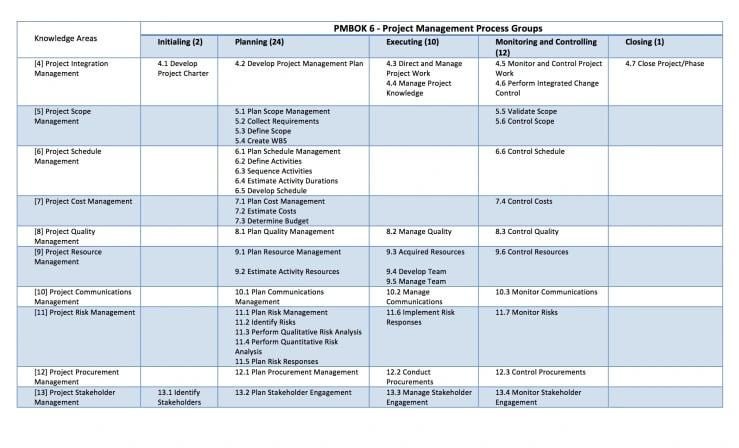
A PMP process mapping game helps you understand and visualize the project management processes, making it easier to identify dependencies, potential bottlenecks, and improve overall project workflow.
Struggling to grasp the intricacies of project management processes for your PMP exam?
A PMP process mapping game offers a fun and effective way to learn. It visually represents how different project activities connect, making it easier to see the bigger picture.
By engaging with a game, you actively participate in understanding process flows. This active learning helps solidify your knowledge and boosts your confidence for the exam.

PMP Process Mapping Game: Your Guide to Project Management Mastery
Process mapping is a vital skill for any Project Management Professional (PMP). It helps you visualize, understand, and improve project workflows.
A PMP process mapping game makes learning these concepts engaging and effective. Let’s dive into how such a game can help you ace your PMP exam and excel in project management.
What is a PMP Process Mapping Game?
A PMP process mapping game is an interactive exercise. It simulates real-world project scenarios, requiring you to map processes.
The goal is to understand the relationships between different project activities. You’ll learn to identify inputs, outputs, tools, and techniques for each process.
Benefits of Using a Process Mapping Game
Using a process mapping game offers several advantages. It makes learning more enjoyable and enhances retention.
It provides a hands-on approach to mastering project management processes. Let’s explore some of these benefits in more detail.
Enhanced Learning and Retention
Games make learning fun and engaging. When you’re actively involved, information sticks better.
This active learning approach is far more effective than passively reading textbooks. A PMP process mapping game fosters a deeper understanding of the subject matter.
Improved Problem-Solving Skills
Process mapping inherently involves problem-solving. Games present challenges that you must overcome.
Working through these challenges strengthens your analytical and critical thinking skills. These skills are essential for effective project management.
Better Understanding of Process Relationships
The PMBOK Guide outlines 49 project management processes. Understanding how these processes interact is crucial.
A process mapping game allows you to visualize these relationships. You’ll see how inputs from one process become outputs for another.
Increased Team Collaboration
Many process mapping games are designed for teams. Working with others allows you to learn from different perspectives.
You’ll improve your communication and collaboration skills. These skills are vital for leading successful project teams.
Preparation for the PMP Exam
The PMP exam tests your understanding of project management processes. A process mapping game is an excellent way to prepare.
It reinforces your knowledge and helps you identify areas where you need more study. You’ll be more confident and well-prepared for the exam.
Key Elements of a PMP Process Mapping Game
A well-designed PMP process mapping game includes several key elements. These elements contribute to its effectiveness and engagement.
Let’s examine these elements to understand what makes a game successful.
Clearly Defined Objectives
The game should have clear learning objectives. You should know what you’re expected to learn and achieve.
These objectives should align with the PMBOK Guide and PMP exam content. Clearly defined objectives provide focus and direction.
Realistic Project Scenarios
The game should simulate real-world project scenarios. This makes the learning more relevant and practical.
The scenarios should be complex enough to challenge you but not so overwhelming that they discourage you. Realistic scenarios enhance your ability to apply your knowledge.
Interactive Activities
The game should involve interactive activities. These activities should require you to actively participate and make decisions.
Examples include dragging and dropping processes, identifying inputs and outputs, and sequencing activities. Interactive activities promote active learning and engagement.
Visual Representation of Processes
The game should use visual representations of processes. This helps you visualize the relationships between different activities.
Flowcharts, diagrams, and other visual aids can make the processes easier to understand. Visual representations enhance comprehension and retention.
Feedback and Assessment
The game should provide feedback on your performance. This allows you to identify areas where you made mistakes and learn from them.
Assessment mechanisms, such as quizzes or scoring systems, can track your progress. Feedback and assessment are essential for continuous improvement.
Types of PMP Process Mapping Games
Various types of PMP process mapping games are available. Each type offers a different approach to learning and engagement.
Here are a few common types you might encounter.
Card-Based Games
Card-based games use physical cards to represent project processes. You must arrange the cards in the correct sequence to map the process flow.
This type of game is tactile and encourages collaboration. It’s a great way to learn the basic sequence of project management processes.
Software-Based Simulations
Software-based simulations use computer programs to simulate project scenarios. You can interact with the simulation to map processes and make decisions.
These simulations often provide detailed feedback and assessment. They offer a realistic and immersive learning experience.
Online Interactive Games
Online interactive games are accessible through web browsers. They often involve drag-and-drop interfaces and interactive quizzes.
These games are convenient and can be played anytime, anywhere. They’re a great way to supplement your other study methods.
Board Games
Board games combine elements of card-based and software-based games. They use a physical game board and playing pieces to represent project processes.
They often incorporate rules and challenges that make the game more engaging. Board games are a fun way to learn with a group of people.
Creating Your Own PMP Process Mapping Game
You can also create your own PMP process mapping game. This can be a great way to tailor the learning experience to your specific needs.
Here are some steps to follow when creating your own game.
Define Your Learning Objectives
Start by defining what you want to learn. What specific project management processes do you want to master?
Your learning objectives will guide the design of your game. Be clear and specific about what you want to achieve.
Choose Your Game Format
Decide what type of game you want to create. Will it be a card-based game, a software simulation, or something else?
Consider your resources and skills when making this decision. Choose a format that you can realistically implement.
Develop Realistic Project Scenarios
Create realistic project scenarios that will challenge you. These scenarios should reflect the types of projects you’re likely to encounter in your career.
Include enough detail to make the scenarios engaging and relevant. The more realistic the scenarios, the more effective the game will be.
Design the Game Mechanics
Design the rules and mechanics of the game. How will players interact with the game?
How will they score points or track their progress? Make sure the mechanics are aligned with your learning objectives.
Test and Refine Your Game
Test your game with others and get their feedback. Use their feedback to refine the game and improve its effectiveness.
This iterative process will help you create a game that is both fun and educational. Don’t be afraid to make changes based on the feedback you receive.
Examples of PMP Process Mapping Game Activities
To illustrate how a PMP process mapping game works, let’s look at some example activities. These activities will give you a better idea of what to expect.
These activities will help you understand the practical application of process mapping.
Identify Inputs and Outputs
Given a project process, identify its inputs and outputs. This helps you understand the flow of information and resources.
For example, what are the inputs and outputs of the “Develop Project Management Plan” process? This activity reinforces your understanding of process relationships.
Sequence Project Activities
Arrange project activities in the correct sequence. This helps you understand the project timeline and dependencies.
For example, which activities must be completed before you can start the “Define Activities” process? This activity emphasizes the importance of proper sequencing.
Identify Tools and Techniques
Given a project process, identify the appropriate tools and techniques. This helps you understand how to effectively manage the process.
For example, what tools and techniques can you use for the “Estimate Activity Durations” process? This activity broadens your knowledge of project management tools.
Map the Project Management Process Groups
Map the processes within each of the five project management process groups: Initiating, Planning, Executing, Monitoring and Controlling, and Closing. Understanding which process belongs to which process group helps in understanding the workflow.
This activity reinforces your understanding of the PMBOK Guide framework.
Create a Swimlane Diagram
Swimlane diagrams are crucial to understand roles and responsibilities. Creating swimlane diagrams for various project processes clarifies who does what and when.
This activity helps in visualizing the flow of work across different roles.
Integrating the Game with Your PMP Study Plan
A PMP process mapping game should be part of a comprehensive study plan. It’s not a substitute for other study methods.
It’s a supplementary tool that can enhance your learning experience. Let’s explore how to integrate it into your plan.
Use it as a Review Tool
Use the game to review concepts you’ve already studied. This will help you reinforce your knowledge and identify areas where you need more practice.
Reviewing the game helps consolidate information.
Supplement Traditional Study Methods
Combine the game with textbooks, practice exams, and other study resources. This will provide a well-rounded learning experience.
Combining different approaches provides a wider breadth of knowledge.
Focus on Areas Where You Struggle
Use the game to focus on areas where you struggle. If you’re having trouble with a particular process, use the game to practice it.
Targeted practice accelerates improvement.
Track Your Progress
Track your progress using the game’s assessment mechanisms. This will help you identify areas where you’re improving and areas where you need more work.
Progress tracking enables data-driven decisions.
The Future of PMP Process Mapping Games
The future of PMP process mapping games looks promising. Technology is constantly evolving, leading to more engaging and effective learning experiences.
Expect to see even more sophisticated simulations and interactive games.
Virtual Reality (VR) and Augmented Reality (AR)
VR and AR technologies could revolutionize PMP process mapping games. Imagine being able to step into a virtual project environment and interact with processes in a realistic way.
VR and AR can offer even more immersive learning experiences.
Artificial Intelligence (AI)
AI could personalize the learning experience. AI-powered games could adapt to your learning style and provide customized feedback.
Personalized learning accelerates skill development.
Gamification
Gamification techniques will continue to be integrated into PMP process mapping games. This will make learning even more fun and engaging.
Gamification taps into intrinsic motivation.
Mobile Learning
Mobile learning will become even more prevalent. You’ll be able to play PMP process mapping games on your smartphone or tablet, anytime, anywhere.
Mobile learning offers unmatched flexibility.
Common Pitfalls to Avoid
While PMP process mapping games are beneficial, it’s important to avoid common pitfalls. These pitfalls can hinder your learning and reduce the effectiveness of the game.
Avoiding these mistakes will lead to a more successful and rewarding learning experience.
Relying Too Heavily on the Game
Don’t rely too heavily on the game as your only study method. It’s important to supplement it with other resources.
A balanced approach ensures a complete understanding.
Ignoring the PMBOK Guide
Don’t ignore the PMBOK Guide. The game should be aligned with the PMBOK Guide, but it’s not a substitute for reading it.
The PMBOK Guide remains the primary reference source.
Not Understanding the Underlying Concepts
Don’t just memorize the steps in the game. Focus on understanding the underlying concepts.
Conceptual understanding enables flexible application.
Getting Discouraged by Mistakes
Don’t get discouraged by mistakes. Mistakes are a learning opportunity.
Embrace mistakes as part of the learning process.
Not Seeking Help When Needed
Don’t hesitate to seek help when needed. If you’re struggling with a particular concept, ask a mentor or instructor for assistance.
Seeking help accelerates problem-solving.
How to Master the PMBOK/PMP Process Groups (2023 Guide & Resources)
Final Thoughts
The PMP process mapping game offers a fun, hands-on way to understand project management processes. Playing the game can significantly improve your comprehension and retention of key concepts.
This active learning approach is more engaging than traditional study methods. You gain practical experience applying the processes in a simulated environment.
Ultimately, the pmp process mapping game provides an engaging and effective study aid. Use this practical tool to help reinforce your understanding and prepare for the exam.

