
Practicing Pymetrics games involves familiarizing yourself with the types of cognitive and personality assessments used, focusing on consistent and thoughtful responses rather than trying to “game” the system.
Here’s the response:
Worried about those Pymetrics assessments standing between you and your dream job? Many candidates find these neuroscience-based games a bit perplexing.
The key is knowing what to expect and understanding the format.
That’s where the idea to practice pymetrics games comes in. It helps you to learn how to approach them.

Practice Pymetrics Games: Ace Your Assessment
Pymetrics games are used by many companies to assess candidates. Practicing beforehand can significantly improve your performance.
Knowing what to expect and developing strategies will increase your confidence. Ultimately, preparation is key.
Why Practice Pymetrics Games?
Pymetrics assessments use neuroscience-based games to evaluate cognitive and personality traits. These aren’t your typical job application quizzes.
They measure attributes like attention, memory, and decision-making. Practicing helps you become familiar with the game mechanics and the traits they assess.
Understanding the Game Format
The games are designed to be intuitive, but understanding their underlying purpose is crucial. Practice allows you to familiarize yourself with the interface.
You will also become more comfortable with responding quickly and accurately under pressure. This will reduce anxiety during the actual assessment.
Identifying Your Strengths and Weaknesses
Practice sessions reveal your natural tendencies and areas for improvement. You might discover you excel at games measuring attention.
On the other hand, you might struggle with games that assess risk tolerance. Knowing your weaknesses allows you to focus on developing strategies to address them.
Types of Pymetrics Games and How to Practice
Pymetrics uses a variety of games, each designed to assess different cognitive and personality traits. It’s beneficial to understand the mechanics of each game.
Knowing the traits being evaluated can help you tailor your approach during the actual assessment. Let’s explore some common game types.
Money Exchange Game
This game assesses risk aversion and trust. You’re paired with a “partner” and must decide how much money to send them.
The amount sent triples, and your partner then decides how much to return to you. Your choices reveal your risk tolerance and your belief in others’ reciprocity.
Practice Strategy: Consider different scenarios. What if your partner has sent back different amounts in past games?
Strategy Application: Adapt your strategy to the hypothetical circumstances presented. The goal is not to get rich quick, but rather to display calculated decision-making.
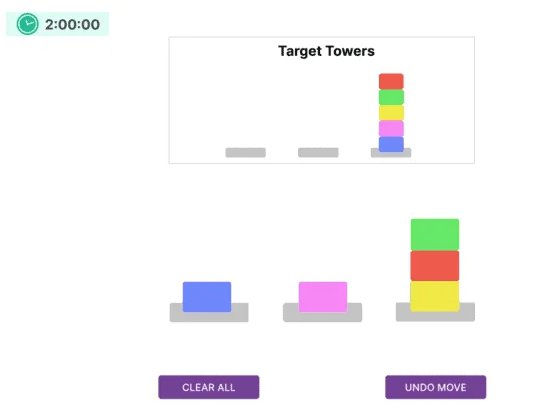
Tower Game
This game measures planning and problem-solving abilities. You’re presented with a tower of colored disks that needs to be re-arranged.
The objective is to recreate the target tower configuration in as few moves as possible. Each move takes time, so efficiency is important.
Practice Strategy: Visualize the steps involved before starting. This will help you minimize errors.
Strategy Application: If a mistake is made, don’t panic. Re-assess the situation and adapt the plan accordingly.
Digits Memory Game
This game assesses working memory capacity. You’re shown a sequence of digits, and you need to remember them in the correct order.
The sequences increase in length as the game progresses. Your ability to recall the sequence accurately demonstrates your working memory.
Practice Strategy: Use chunking techniques to group digits together. This will increase memory retention.
Strategy Application: Focus intently on each digit as it appears. Avoid distractions.
Keypress Game
This game measures impulsivity and reaction time. You’re instructed to press a key only when a certain pattern appears.
Sometimes, a different pattern appears that you should ignore. Your ability to inhibit responses to the incorrect pattern shows your level of impulsivity.
Practice Strategy: Train yourself to differentiate the patterns quickly. Focus on the key distinguishing features.
Strategy Application: Focus intently on the shapes. Avoid anticipation to ensure precision.
Length Game
This game measures accuracy and attention to detail. You are tasked to identify which line is longer, and you have to do it quickly.
Often, the difference is minimal and easy to miss if you are not paying attention. This aims to evaluate your eye for detail and swiftness in decision-making.
Practice Strategy: Prioritize accuracy over speed. Quick but wrong answers defeat the game’s main purpose.
Strategy Application: Do not rush. Always double check to ensure the line you select is actually the longer one.
Free vs. Paid Pymetrics Practice Resources
Several resources are available to help you practice for Pymetrics games. These range from free online tools to paid courses and coaching services.
Choosing the right resources depends on your budget and the level of support you need. Consider your individual learning style when making your decision.
Free Practice Resources
Many websites offer free Pymetrics practice games. These resources often include simulations of the actual games.
These free resources provide a basic understanding of the game mechanics. They can be a good starting point for beginners.
Benefits: Cost-effective and accessible. Provides basic familiarity with the games.
Limitations: Might not offer personalized feedback. May lack the same level of detail as paid resources.
Paid Practice Resources
Paid resources often provide more comprehensive practice materials. This can include personalized feedback, strategy guides, and one-on-one coaching.
These resources can be particularly helpful if you’re struggling with specific games or need additional support. The investment may be worth it for improved results.
Benefits: Personalized feedback and tailored strategies. More in-depth explanations of the underlying traits being assessed.
Limitations: Can be expensive. Requires careful consideration of the value offered.
Strategies for Maximizing Your Practice Sessions
Effective practice involves more than just playing the games repeatedly. It requires a structured approach with a focus on learning and improvement.
Implement these strategies to maximize the benefits of your practice sessions. This will increase the chances of excelling in the actual Pymetrics assessment.
Set Realistic Goals
Start by setting realistic goals for each practice session. Don’t try to master all the games in one day.
Focus on improving specific skills and gradually increasing the difficulty. This approach leads to sustainable improvement over time.
Track Your Progress
Keep track of your performance in each game. This helps you identify areas where you’re improving and areas where you need more practice.
Use a spreadsheet or notebook to record your scores and observations. Analyze this data to adjust your practice strategy accordingly.
Seek Feedback
If possible, seek feedback from others who have taken the Pymetrics assessment. Ask them about their experiences and strategies.
Consider asking for feedback from a career coach or mentor. They can provide valuable insights and guidance.
Simulate Test Conditions
Practice under realistic test conditions. This means finding a quiet environment free from distractions.
Set a timer to mimic the time constraints of the actual assessment. This will help you manage your time effectively during the real test.
Understanding the Pymetrics Scoring System
While Pymetrics doesn’t disclose the exact scoring algorithms, understanding the general principles is helpful. This can help you optimize your approach.
The scoring system is designed to be fair and unbiased. However, you can learn how certain choices affect your overall score.
Trait-Based Assessment
Pymetrics games measure various personality and cognitive traits. The assessment aims to provide a holistic evaluation of your potential.
Your performance in each game contributes to your overall profile. The games quantify traits such as risk aversion, attention, and memory.
Relative Performance
Your performance is compared to a benchmark group. This group is composed of other candidates who have taken the same assessment.
This means your score is not solely based on absolute performance. It is also dependent on how you perform relative to others.
Consistency is Key
Consistency is important in Pymetrics games. Avoid erratic behaviors.
Showing consistency in your decision-making will likely lead to a better score. Consistency communicates a more predictable work style.
Common Mistakes to Avoid During Pymetrics Practice
Avoiding common mistakes during practice is crucial for building good habits. This helps you develop strategies that will work during the actual assessment.
Recognize these mistakes and actively work to avoid them. This will increase your chances of success on the real test.
Rushing Through the Games
One common mistake is rushing through the games without fully understanding the instructions. Pay close attention to the tutorial.
Make sure you understand the goal of each game before you start playing. Take your time to think through your responses carefully.
Ignoring Instructions
Failing to follow the instructions carefully can negatively impact your score. The games are designed to assess your ability to follow directions.
Read and understand the instructions before each game. Ask questions if anything is unclear.
Overthinking Your Responses
Overthinking your responses can also lead to poor performance. Pymetrics games are designed to assess your natural tendencies.
Don’t try to second-guess yourself or manipulate your responses. Trust your instincts and respond authentically.
Practicing in a Distracting Environment
Practicing in a distracting environment can hinder your progress. Find a quiet place where you can focus on the games.
Minimize distractions by turning off notifications and silencing your phone. Create a dedicated practice space that promotes concentration.
Pymetrics and Bias: What You Need to Know
Pymetrics aims to reduce bias in hiring decisions. The games are designed to assess candidates based on their abilities, not their demographics.
While Pymetrics aims to be unbiased, it’s important to understand its limitations and how to approach the assessment. It’s a piece of a larger hiring process.
Algorithmic Fairness
Pymetrics uses algorithms to analyze game data and generate candidate profiles. These algorithms are designed to be fair and unbiased.
However, it’s important to be aware that algorithms can still perpetuate biases if they are trained on biased data. Ongoing monitoring and evaluation are essential.
Focus on Your Strengths
Focus on showcasing your strengths and abilities. Don’t worry about trying to fit a specific mold or profile.
Authenticity is key to successful assessments. You’re more likely to succeed by performing in a way that is natural and reflective of your skill sets.
Understand the Context
Remember that Pymetrics assessments are just one part of the hiring process. Your performance on the games will be considered along with your resume, cover letter, and interview.
Don’t put too much pressure on yourself to ace the Pymetrics assessment. View it as an opportunity to showcase your potential.
Integrating Pymetrics Practice into Your Job Search Strategy
Pymetrics practice should be integrated into your overall job search strategy. This will help you prepare for assessments and increase your chances of getting hired.
Consider Pymetrics practice as an investment in your career. It shows dedication to the application process.
Research Companies Using Pymetrics
Identify companies that use Pymetrics in their hiring process. This will allow you to tailor your practice sessions to the specific games they use.
Use online resources and company websites to gather information about their hiring practices. The more targeted you are, the better.
Practice Regularly
Make Pymetrics practice a regular part of your job search routine. Dedicate a specific amount of time each week to practicing the games.
Consistency is key to improving your skills and building confidence. Regular practice will also help you stay familiar with the game mechanics.
Reflect on Your Performance
After each practice session, take time to reflect on your performance. Identify areas where you’re improving and areas where you need more work.
Use this reflection to adjust your practice strategy and focus on your weaknesses. Continuous improvement is essential for maximizing your chances of success.
Pymetrics Games Assessment – Complete Guide [2025]
Final Thoughts
In short, you must practice to enhance your performance. Prepare for your Pymetrics assessment to showcase your abilities effectively.
Understanding the game mechanics and practicing your cognitive skills can give you an edge. Familiarizing yourself with the format and types of questions is important.
To confidently navigate the assessment process, practice pymetrics games. Consistent practice will significantly improve your comfort level and potentially your final score.

