Preschool Field Day Games: Fun For Everyone

Preschool field day games should be simple, fun, and focus on participation rather than competition, including activities like beanbag tosses, water relays, and obstacle courses.

Here’s the response, formatted as requested:

Get ready for some fun in the sun! Planning a preschool field day can feel overwhelming, but it doesn’t have to be. The key is to choose activities that are age-appropriate and emphasize teamwork and fun.

We’re going to explore a variety of simple and engaging preschool field day games that will create lasting memories for your little ones. These games will ensure a successful and enjoyable event for everyone involved.

From classic races to creative twists on familiar activities, get ready to make this field day the best one yet!

Preschool Field Day Games: Fun For Everyone

Preschool Field Day Games: Fun & Engaging Activities for Little Ones

Field day is a highlight for preschoolers, a day filled with laughter, movement, and friendly competition. Planning engaging and age-appropriate games ensures a memorable experience for everyone. Let’s explore some fantastic preschool field day game ideas!

Classic Field Day Games Reimagined

These traditional games are always a hit, but we’ll adapt them for preschool-aged children. Safety and simplicity are key for this age group.

Sack Race

A timeless favorite! Use small, sturdy potato sacks or pillowcases.

  • Safety First: Supervise children closely and ensure they have enough space to avoid collisions.
  • Short Distances: Keep the racecourse short and manageable for little legs.
  • Team Relay Option: Divide the children into teams for a relay race, promoting teamwork and cooperation.
  • Three-Legged Race

    A classic that encourages coordination.

  • Soft Ties: Use soft scarves or fabric strips to tie children’s legs together securely but comfortably.
  • Partner Up: Pair children based on size and ability for a smoother experience.
  • Practice Run: Allow children to practice walking together before the actual race.
  • Egg and Spoon Race

    A game that focuses on balance and careful movements.

  • Hard-Boiled Eggs: Use hard-boiled eggs to minimize mess in case of a drop.
  • Shallow Spoons: Choose shallow spoons for easier balancing.
  • Modifications: Consider using ping pong balls or beanbags instead of eggs for younger or less coordinated children.
  • Water-Based Fun

    Water games are perfect for cooling down and adding excitement on a warm day. Always prioritize safety around water.

    Sponge Relay

    A refreshing and collaborative game.

  • Two Buckets: Each team has one bucket filled with water and one empty bucket.
  • Soaked Sponges: Children soak sponges in the full bucket and then squeeze the water into the empty bucket.
  • Winner: The team with the most water in their empty bucket at the end of the time limit wins.
  • Read also  Roblox Diabetes Management Guide

    Water Balloon Toss

    A fun game of catch with a splash!

  • Start Small: Begin with a short distance between partners.
  • Gradual Increase: Gradually increase the distance as the children become more comfortable.
  • Soft Balloons: Use small, soft water balloons to minimize the impact.
  • Duck, Duck, Splash!

    A water-themed twist on the classic Duck, Duck, Goose game.

  • Instead of ‘Goose’: The person who is “it” calls out “Splash!” and gently pours a small cup of water on the chosen player’s head.
  • Keeps Kids Cool: This game is a fun and refreshing way to stay cool.
  • Supervision Required: Supervise closely to ensure the water is used gently.
  • Creative and Imaginative Games

    These games encourage creativity, imagination, and problem-solving skills.

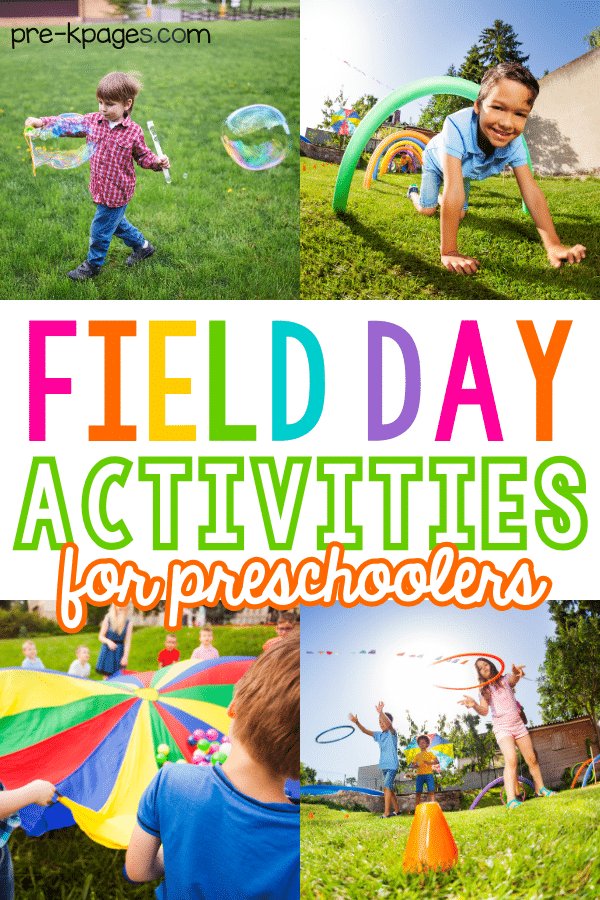
    Obstacle Course

    A custom-designed course to challenge and engage children.

  • Variety of Obstacles: Include tunnels, cones to weave through, balance beams (low to the ground), and hula hoops.
  • Safety Padding: Use soft mats or padding around obstacles to prevent injuries.
  • Theme It: Consider a themed obstacle course, such as a jungle adventure or a superhero training course.
  • Beanbag Toss

    A simple game that promotes hand-eye coordination.

  • Target Practice: Use hula hoops, buckets, or painted targets on the ground.
  • Scoring System: Assign points based on the target’s difficulty.
  • Creative Targets: Decorate the targets with fun themes like animals or shapes.
  • Parachute Games

    A colorful and collaborative activity.

  • Giant Parachute: Use a large, colorful parachute.
  • Popcorn: Place lightweight balls on the parachute and have the children work together to make them “pop.”
  • Mushroom: Have the children lift the parachute high and then pull it down quickly to create a “mushroom” effect.
  • Teamwork and Cooperation Games

    These games emphasize collaboration and working together towards a common goal. These are critical for fostering positive social skills.

    Tug-of-War (Preschool Style)

    A modified version of the classic game, focusing on teamwork rather than strength.

  • Soft Rope: Use a soft, thick rope.
  • Even Teams: Ensure teams are evenly matched in size and ability.
  • Low Impact: Focus on pulling together as a team rather than aggressive pulling. Mark a center line clearly.
  • Cooperative Ring Toss

    A collaborative twist on the traditional ring toss.

  • Multiple Rings: Teams work together to toss multiple rings onto a single target.
  • Strategic Placement: Encourage children to strategize and coordinate their throws.
  • Communication: This game fosters communication and teamwork.
  • The Human Knot

    A fun problem-solving activity.

    Read also  Gametornado Games: Your Fun Starts Here
  • Stand in a Circle: Have the children stand in a circle, shoulder to shoulder.
  • Grab Hands: Each child reaches out and grabs the hand of two different people across the circle.
  • Untangle the Knot: The team works together to untangle themselves without letting go of hands, forming a circle again.
  • Music and Movement Games

    These games incorporate music and movement for a fun and energetic experience.

    Freeze Dance

    A classic party game adapted for field day.

  • Play Music: Play upbeat music and have the children dance.
  • Freeze: When the music stops, the children must freeze in place.
  • Elimination: Any child who moves is out of the game. The last child dancing wins. Consider no eliminations to avoid upset preschoolers.
  • Musical Hoops

    A variation of musical chairs using hula hoops.

  • Hula Hoops: Place hula hoops on the ground, one fewer than the number of children.
  • Walk Around: Play music and have the children walk around the hoops.
  • Find a Hoop: When the music stops, the children must find a hoop to stand in. Remove one hoop each round.
  • Simon Says

    A fun game that tests listening skills.

  • Simon Says: The leader gives instructions, starting with “Simon Says.”
  • Follow Instructions: Children only follow instructions that begin with “Simon Says.”
  • Listening Skills: This game improves listening skills and following directions.
  • Safety Considerations for Preschool Field Day Games

    Prioritizing safety is crucial for a successful and enjoyable field day. Always have adult supervision.

    Adequate Supervision

    Ensure there are enough adults to supervise all activities.

  • Ratio of Adults to Children: Maintain a safe adult-to-child ratio.
  • Designated Areas: Assign adults to specific areas or games.
  • Constant Monitoring: Continuously monitor the children’s activities.
  • First Aid

    Have a well-stocked first aid kit on hand.

  • Basic Supplies: Include bandages, antiseptic wipes, and pain relievers.
  • Emergency Contact Information: Keep a list of emergency contact information for each child.
  • Trained Personnel: Have someone on site who is trained in first aid and CPR.
  • Hydration

    Encourage children to stay hydrated throughout the day.

  • Water Breaks: Provide frequent water breaks.
  • Water Bottles: Encourage children to bring their own water bottles.
  • Shade: Provide shade from the sun.
  • Sun Protection

    Protect children from the sun’s harmful rays.

  • Sunscreen: Apply sunscreen to all exposed skin.
  • Hats: Encourage children to wear hats.
  • Protective Clothing: Consider having children wear lightweight, long-sleeved shirts and pants.
  • Adaptations for Different Abilities

    Ensure all children can participate and enjoy field day, regardless of their abilities. Offer adaptations and modifications.

    Read also  Tekken 8 Games Damage Scaling Explained

    Inclusive Activities

    Choose games that can be adapted for children with different needs.

  • Flexible Rules: Be flexible with the rules and allow for modifications.
  • Alternative Equipment: Provide alternative equipment, such as larger balls or lighter beanbags.
  • Individualized Support: Offer individualized support to children who need it.
  • Buddy System

    Pair children with different abilities together.

  • Peer Support: The buddy can provide support and encouragement.
  • Collaboration: This promotes collaboration and understanding.
  • Social Interaction: It also fosters social interaction and friendship.
  • Sensory Considerations

    Be mindful of sensory sensitivities.

  • Quiet Area: Provide a quiet area where children can go if they feel overwhelmed.
  • Avoid Loud Noises: Avoid loud noises and bright lights.
  • Sensory Activities: Offer sensory activities, such as playing with sand or water.
  • Planning Your Preschool Field Day

    Careful planning is essential for a successful and memorable field day.

    Choose a Date and Time

    Consider the weather and the children’s schedules.

  • Weather Forecast: Check the weather forecast and choose a day with favorable conditions.
  • Optimal Time: Choose a time of day when the children are most energetic.
  • Avoid Conflicts: Avoid scheduling field day on a day with other school events.
  • Create a Schedule

    Plan a schedule that includes a variety of activities.

  • Warm-Up: Start with a warm-up activity.
  • Variety of Games: Include a variety of games to keep the children engaged.
  • Cool-Down: End with a cool-down activity.
  • Gather Supplies

    Make a list of all the necessary supplies.

  • Equipment: Gather all the necessary equipment, such as balls, cones, and hula hoops.
  • First Aid Kit: Ensure the first aid kit is fully stocked.
  • Refreshments: Provide water and healthy snacks.
  • Recruit Volunteers

    Enlist the help of parents and other volunteers.

  • Parent Involvement: Encourage parent involvement.
  • Assign Roles: Assign specific roles to volunteers.
  • Training: Provide volunteers with training and instructions.
  • By following these tips, you can create a fun, engaging, and safe field day experience for your preschool students. Remember to adapt the games to suit the children’s abilities and interests, and most importantly, have fun!

    Field Day Games

    Final Thoughts

    Preschool field day games create lasting memories and promote teamwork. These games encourage young children to develop essential motor skills in a fun, engaging environment.

    Field day activities build confidence and social skills. Simple games with few rules let everyone participate and feel successful.

    So, remember to plan some fantastic preschool field day games for guaranteed smiles. A well-planned field day is must to enhance children’s enjoyment.

    Leave a Comment

    Your email address will not be published. Required fields are marked *