
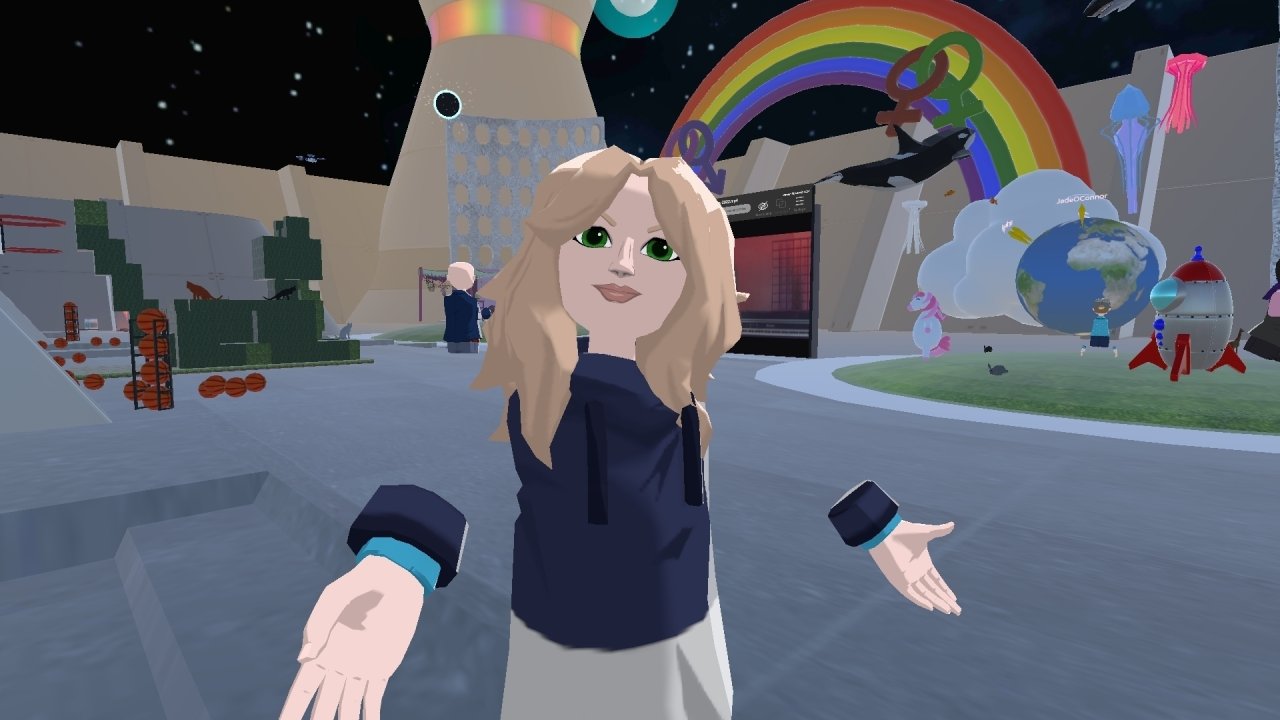
Roblox cognitive science in user experience focuses on understanding how players perceive, process, and interact with the game environment to create more engaging and intuitive designs.
Ever wondered why some Roblox experiences feel instantly captivating while others leave you confused? The answer often lies in the application of Roblox cognitive science in user experience. Designers who understand how players think, learn, and make decisions within the game world can create far more effective and enjoyable experiences. By considering cognitive load, perception, and memory, developers can build interfaces and gameplay mechanics that players naturally understand.

Roblox Cognitive Science in User Experience
Have you ever wondered why some Roblox games are just so much fun, and others… well, not so much? It’s not always about how many cool guns or sparkly pets a game has. A lot of it comes down to how well the game designers understand how our brains work! That’s where cognitive science comes in. Cognitive science is all about how we think, learn, remember things, and make decisions. When game creators use this knowledge, they can make games that are more engaging, easier to play, and just plain more enjoyable. Let’s dive into how this magic works on Roblox!
The Power of Perception in Roblox
Our eyes and brain are super fast at taking in information. This is called perception, and it’s key to good Roblox game design. How a game looks, feels, and even sounds can affect how much we enjoy it.
Visual Cues and Clarity
Imagine you’re playing a game where everything is blurry and the same color. It would be super hard to tell what’s important and where you need to go, right? Game creators use visual cues to help us navigate, understand the game world, and find important things. These cues could be:
- Bright colors: Important items or characters might be bright red, yellow, or blue so they stand out.
- Clear shapes: A door should look like a door, a key should look like a key. Simple, recognizable shapes make things easier.
- Contrasting backgrounds: If the background is dark, important objects will be lighter, and vice versa, so they don’t blend in.
- UI (User Interface) elements: things like health bars, mini-maps, and scoreboards should be easy to read at a glance.
For example, in a fighting game, a character’s health bar that uses a bright, contrasting color compared to the game background makes it easy for players to see their health status without having to focus intensely or look for it. It uses our brains’ inherent ability to quickly identify changes in bright contrasting colors.
Auditory Cues and Sound Design
Sound plays a big part too. Think about the satisfying “ka-ching” sound when you collect coins, or the dramatic music that plays when you’re in danger. These sounds aren’t just for show; they actually help us understand what’s going on in the game. Auditory cues can include:
- Sound effects: A character jumping, a door opening, an enemy attacking – all of these sounds tell us what’s happening.
- Music: The background music can create a mood, like excitement, suspense, or calm.
- Spatial audio: If you hear a sound from the left, your brain tells you something is happening on the left.
A survival game might use quiet, eerie background music to create a sense of unease, while a fast-paced racing game might use upbeat music to get your heart pumping. The subtle use of sound effects can also help the player in a very subtle way. For example, you might hear the slight “click” of a puzzle element when it is in the right place, or an opposing player approaching from behind.
Memory and Learning in the Roblox World
Games are all about learning new things and remembering them. Good Roblox games make it easy for us to pick up new skills and remember what we’ve learned. Our cognitive processes related to memory and learning play a big part here.
Tutorials and Gradual Difficulty
Imagine being thrown into a super complex game with a million controls and no instructions. Confusing, right? Good game designers introduce new concepts slowly, with easy-to-follow tutorials. This way, we learn step-by-step and don’t get overwhelmed. Things that contribute to this are:
- Short Tutorials: Tutorials that are quick and to the point are easier to understand and remember.
- Step by Step progression: The best games will not teach you everything all at once. They teach you basic game concepts and then move to more advanced ones once you have those fundamental things.
- Clear Instructions: Written text or voice instructions that are simple and easy to understand.
- Visual Prompts: Games can show us buttons to press or areas to go with arrows or other visual aids.
For example, in a simulator game, the first few tasks might involve simple button presses to collect a few coins. Then, you learn how to upgrade your equipment and soon you are learning to play the more advanced sections of the game. This helps the player learn the game without being overwhelmed at the beginning.
Repetition and Reinforcement
Doing things over and over again helps us remember them, this is called repetition. Think of learning to ride a bike or learning a new Roblox skill. We don’t master it the first time; we get better with practice. A good game provides:
- Repeating actions: Many games involve repeating specific tasks to achieve rewards. This helps to reinforce gameplay concepts.
- Reward system: Games use rewards to encourage us to play and learn. Rewards can be things like points, coins, new items, or even just feeling successful.
- Level Ups and Progression: Seeing your character or progress in a game improve over time. This reinforces your work, and keeps you engaged.
In many role-playing games, you might find yourself completing similar quests to gain experience and level up. This repetition not only helps you remember the game mechanics, but also makes you feel like you are getting better.
Attention and Engagement in Roblox
Our brains can’t focus on everything at once. We need games that grab our attention and keep us interested. This is all about engagement, and cognitive science helps designers with this.
Clear Goals and Objectives
Imagine playing a game with no clear goal. What do we even do? When we have clear goals, our brain is more focused. Good games have:
- Clear Questlines: Specific quests or tasks that you need to complete.
- Progress Indicators: Seeing how close you are to completing a task or level keeps you focused.
- Milestones and Achievements: Small goals along the way that make you feel like you’re making progress.
A racing game that clearly shows the finish line and your progress along the way allows you to know your goal and focus on completing the race. These clear goals make the game more engaging and allow our brains to focus on the task at hand.
Novelty and Variety
Doing the same thing over and over can get boring. Good games keep our attention by adding new things, this is called novelty. Games that keep you engaged use:
- Varied gameplay: Games that change the challenges and types of tasks.
- New items and characters: Introducing new things makes the game feel fresh and interesting.
- Changing scenery: A game that is always set in the same location or has the same look can get dull. Changes to the game world can keep the game fresh.
A survival game might introduce new types of monsters or new areas to explore. This prevents the player from losing interest or getting bored by doing the same things over and over. These small changes keep our brains engaged with the game and wanting more.
Decision-Making and Problem-Solving in Roblox
Games often ask us to make choices and solve problems. How well a game is designed can influence how easy or hard it is for us to do this. The cognitive side of decision-making and problem-solving are essential components to a good game.
Intuitive Controls and Mechanics
We don’t want to spend hours trying to figure out how to move or use an item. Good games have controls that feel natural and easy to learn. Things that can help with this are:
- Simple Controls: Easy-to-understand buttons and actions.
- Consistent controls: If jumping is always the same button it is easier to learn and remember.
- Clear feedback: When you press a button, you can see what your character or the game does.
A platformer game with smooth controls makes the game more enjoyable. Players can focus on the strategy of the game instead of being bogged down by difficult and awkward controls.
Clear Rules and Consequences
We need to know the rules of the game and what will happen if we break them. Good games make sure that it’s easy for us to learn the rules and understand the cause-and-effect. These things are:
- Clear Rules: Simply explained game rules that anyone can understand.
- Consistent consequences: Consequences that are always the same for breaking the rules.
- Easy to understand system: A system that is easy to understand and has obvious rules that everyone can follow.
A strategy game might have a rule that if you attack a base without the right troops you will be defeated. This rule is consistent and makes sense to the player.
Emotional Engagement and the Fun Factor
Games are fun because they make us feel things. Good Roblox games use cognitive science to trigger the right kinds of emotions, such as excitement, happiness, or even a little bit of fear. A lot of elements play into this:
Positive Feedback and Rewards
When we do well, we want to know it. Games that give positive feedback make us feel good about ourselves. Things like:
- Visual celebrations: Games that use visual cues like fireworks or animations to reward players.
- Sound effects: Sound effects that signify your achievement.
- Progress notifications: Clear updates that show the player their achievements and progress.
In a puzzle game, every time you complete a puzzle you are rewarded with a visual and auditory cue that you accomplished a task. This will trigger a positive feeling which will encourage you to play the game further.
Social Interaction and Community
Playing with other people can make games more fun. Our brains are wired to be social, so games that allow us to interact with others can be very engaging. Things that contribute to this are:
- Multiplayer options: The ability to play with friends or other people.
- Communication tools: Ways to chat and talk with other people.
- Community features: Tools for players to come together and share their experience with others.
A social role-playing game like “Adopt Me” or “Brookhaven” is fun because you can play with friends and role-play with them, something our brains enjoy naturally. These social elements add to the enjoyment of the games.
In conclusion, the secret to great Roblox experiences isn’t just about fancy graphics or complicated storylines. It’s about understanding how our brains work and using that knowledge to make games that are fun, engaging, and easy to learn. By considering the way we perceive, remember, focus, decide, and feel, game creators can craft experiences that keep us coming back for more and more. It’s amazing how much cognitive science can play a role in making games we enjoy so much.
Skill Tree Online #102 – How Cognitive Science and UX Can Impact Game Design
Final Thoughts
Roblox design choices significantly impact user engagement through cognitive processes. Developers should thoughtfully consider mental models when crafting experiences. Understanding how players perceive information is essential.
Good interface design improves memory recall and reduces player frustration. They need to prioritize clear communication and intuitive navigation. Roblox cognitive science in user experience plays a vital role for success.

