
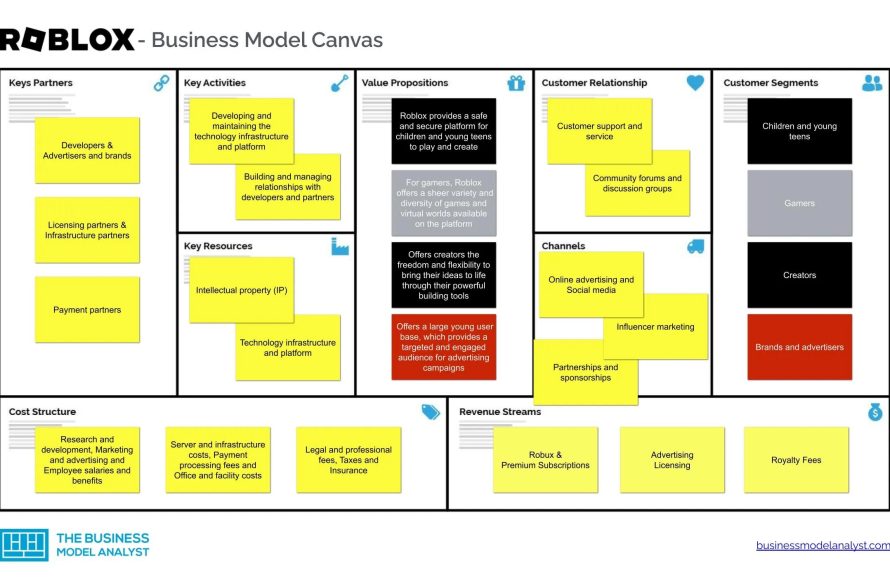
Roblox customer segmentation involves dividing players into groups based on shared characteristics like age, game preferences, and spending habits to better tailor game development and marketing efforts.
Understanding your players is crucial, especially on a platform as vast as Roblox. How can you effectively reach and engage such a diverse audience? That’s where Roblox customer segmentation becomes vital. It allows developers to identify distinct groups within the player base.
By analyzing these segments based on their behaviors and preferences, you can personalize in-game experiences, promotions, and even game design itself. This ultimately leads to increased player satisfaction and engagement. It’s not just about knowing numbers; it’s about knowing your players.

Roblox Customer Segmentation: Understanding Your Players
Understanding who plays your Roblox games is super important. It’s like knowing the favorite color of all your friends – it helps you plan the best birthday parties, right? Well, in Roblox game development, it’s all about knowing your players, and that’s where customer segmentation comes in. Instead of thinking of everyone as just “players,” we divide them into groups based on similar traits. This helps you make your games more fun and engaging for everyone, and it will make players want to play even more!
Why is Roblox Customer Segmentation Important?
Imagine you’re baking cookies. You wouldn’t use the same recipe for someone who loves super sweet cookies and someone who likes them with a bit of salt, right? It’s the same with games! Different players enjoy different things. Some love exploring, others like competing, and some just want to build. Understanding these differences, through customer segmentation, lets you:
- Design better games: You create game features that appeal to different groups.
- Improve engagement: You can make sure the right players are seeing the right stuff.
- Increase player satisfaction: Happy players stick around and bring their friends.
- Make the most of your development time: You spend time where it matters most.
- Boost in-game sales: If you understand what players like, you can offer in-game purchases they want.
Different Ways to Segment Your Roblox Players
There are many ways to group your players. Here are some of the most common and helpful:
Demographic Segmentation
This means grouping players based on their age, gender, where they live (country/region) or what language they speak. This is helpful because players of different ages or genders might like different game styles. Here is a deeper look:
- Age: Roblox has lots of different age groups, from young kids to teens and even older players. A game designed for young kids needs to be different from one designed for teenagers. Younger kids might enjoy more simple games with bright colors, whereas older players might want more complex or competitive experiences.
- Gender: Some games might be more popular with boys, and others with girls, or some might have a great mix of players. By being aware of these tendencies, you can make sure your game appeals to a broad audience or to a niche audience depending on your game goal.
- Location: Players in different parts of the world might play games at different times and have different cultural tastes. Knowing this helps you plan events and promotions at the right times and might even inspire new game elements or game themes. For example, a popular holiday in one country might inspire an in-game event or even a new world.
- Language: If you’re using in-game text and communication, offering your game in different languages can let more players enjoy your game. Also, in-game chatting or the social aspect of your game might be changed or improved by understanding the languages being used by your players.
Behavioral Segmentation
This involves grouping players by how they act in your game. How often do they play? How long do they play for each session? What actions do they take in the game? Here are some of the many ways that player behavior can be grouped:
- Playing Frequency:
- Daily Players: Players who play your game every day.
- Regular Players: Players who play several times a week.
- Occasional Players: Players who only play once in a while.
Knowing player frequency helps with updates, as daily players may burn through content quickly compared to occasional players.
- Session Length:
- Short Session Players: Players who play in short bursts.
- Long Session Players: Players who play for longer stretches of time.
This helps with how you structure the game, offering short bursts of fun for those with short sessions and long-lasting rewards for those who play longer.
- In-Game Actions: What do players do in your game?
- Explorers: Players who love to discover hidden places and secrets.
- Builders: Players who love to create and construct.
- Achievers: Players who focus on completing quests and earning badges.
- Socializers: Players who primarily interact with other players in your game.
- Competitors: Players who love to compete against others in challenges.
Understanding actions, especially where players spend the most time, allows you to refine these areas and introduce new content or features that appeal to each type of player.
Psychographic Segmentation
This is about understanding what motivates your players. What are their hobbies, interests, or values? What game styles do they like? Psychographics dig deeper into why players make certain choices in a game, allowing you to create experiences that fit their preferences.
- Interests & Hobbies: Are your players into fantasy, science fiction, or adventure? Are they creative or competitive? This will guide you when it comes to designing themes, mechanics, and styles in the game, which is very helpful as you can appeal to the unique tastes of each player.
- Game Style Preference: Do they prefer action-packed games, relaxing exploration, or complex strategy? Understanding game preferences allows you to tailor your gameplay to appeal to the different player groups, which will make them play the game for longer.
- Motivation: Are they playing for fun, to socialize, to compete, or to collect? Knowing this can help you to understand what keeps your players engaged. For example, those playing to socialize will love regular in-game events, while those looking to compete will be interested in the competitive leaderboards.
Engagement Segmentation
This is grouping players based on how much they interact with your game and the community around it. Are they very involved or do they just pop in from time to time?
- Active Engagement:
- Super Fans: Players who are constantly playing and deeply involved in your game and its community. They provide useful feedback and are great at evangelizing your game.
- Active Players: Players who play regularly and are invested in the game.
These players are the core of your game and benefit from fresh content and features.
- Passive Engagement:
- Casual Players: Players who check out your game occasionally.
- Lurkers: Players who have downloaded the game, but they rarely play it.
These players need to be reminded of the value of your game and may need encouragement to get them fully engaged.
- Community Participation:
- Forum Posters: Players who are actively engaged in game discussions.
- Social Media Sharers: Players who share game content on different social platforms.
These players are invested in not just the game, but also the community that surrounds it, and so providing additional interaction with them will benefit the overall playerbase.
Tools for Roblox Customer Segmentation
There are several different tools that help you segment your Roblox audience and understand your players:
Roblox Analytics
Roblox provides a lot of free tools within the Creator Dashboard that lets you view a lot of data about your game and the players in it. You can see how many people are playing your game at a particular time, how long players are playing, the devices they use, and a lot more. Using Roblox Analytics will allow you to do basic customer segmentation, as well as identify different player patterns.
In-Game Analytics
You can implement your own tracking system within your game, which is helpful for a deeper dive into how your players play. It can track how players interact with specific features of your game, which will help you understand which features are most popular and what aspects of your game are working well.
Third-Party Analytics
There are many third-party tools and services that you can use that are dedicated to helping game developers understand their playerbases. They offer some additional features and more in-depth analyses compared to basic in-game analytics. Using these additional tools can give you great insights into player behavior and help you identify areas of your game that need improvement.
Surveys and Feedback
Don’t forget the old-fashioned ways of getting feedback! You can conduct player surveys inside or outside of the game to find out what players think and how you can improve the overall experience. You can do this with in-game prompts, social media, or discord communities. By being open to what your players have to say, you will gain valuable insights into how to improve your game.
Using Customer Segments to Improve Your Game
Once you’ve segmented your players, how do you use this information? Here are some ideas:
Tailoring Game Content
Imagine you know a big group of your players loves building. You could add more building tools, a new building area, or even a building contest to keep them engaged. Similarly, if you notice that many players enjoy competitive gameplay, you can add leaderboards, new challenges, or player versus player modes.
Personalized Communication
You can talk to your different player segments in a different way. If you’ve got super fans, you can invite them to participate in testing new game features, and you can let them know about special rewards that are just for them. You can encourage casual players with special announcements that are fun and enticing, and invite them to come back to your game.
Targeted In-Game Promotions
If you know which items or features different player segments like, you can offer them special discounts and promotions that apply to them. For example, if a lot of the players enjoy a particular type of in-game cosmetic, you can put it on sale. You will find much better rates of conversion when you are offering items that each player is likely to enjoy.
Content Updates and New Features
When planning updates, keep your different player segments in mind. Think about how the new features or content might impact them. By thinking about the different player types, you’ll create content that will be very well received by all types of players. For example, if you are creating a new story in your game, you might want to create different paths in the story for different player types.
Improving Onboarding
New players often need a little guidance when they first start a game. You can customize your onboarding experience based on the player’s game style. If you know that a new player enjoys social experiences, you can encourage them to play in a server with other players. This personalization will help to keep new players from quitting after just a few minutes.
Examples of Roblox Customer Segmentation in Action
Let’s look at some hypothetical examples of how segmentation works in practice:
Example 1: A Role-Playing Game
Let’s imagine a role-playing game with a focus on completing quests. This game has a diverse player base that includes many different segments. Here’s how they can be addressed:
- Explorers: These players spend their time trying to find hidden areas and easter eggs. You can add more hidden content for them to find and enjoy.
- Achievers: These players focus on completing the game’s quests and want to earn every possible badge. The game can be updated with more quests and challenges for them to tackle.
- Socializers: These players want to make friends and interact with other players. You can add more ways for players to easily interact, like group activities or co-op challenges.
Example 2: A Tycoon Game
Now, let’s consider a tycoon game where players manage their own in-game businesses. The different player segments could look like this:
- Builders: Players who want to build huge and elaborate in-game businesses. These players would benefit from additional ways to expand their businesses and to create very complicated buildings.
- Competitors: Players who want to be at the top of the leaderboard. The game could incorporate competitive events where they are ranked against other players.
- Casual Players: These players check in every so often to manage their in-game businesses. They might respond well to features that are easy to interact with and make progress in the game quickly.
Example 3: A Simulation Game
Let’s think about a simulation game. Here, players get to explore different social aspects with a strong sense of community. In this game, you can cater to the following player segments:
- Roleplayers: Players who love to act out different in-game scenarios. The game would greatly benefit from more options for players to create their own roleplay scenarios, or additional roles to play.
- Creators: Players who want to design and make their own content, such as houses or clothing. Adding more customization features will cater well to these players.
- Socializers: Players who love interacting with others and making friends. Adding more ways for players to meet and hang out would be a great addition for these players.
By understanding the different segments and what they enjoy in the game, these games will be more fun and engaging for all different types of players.
In short, Roblox customer segmentation is not just about dividing players into groups. It’s about really understanding who they are and using this knowledge to create better games. When you think about your players as individuals, instead of one single group, you can tailor your game to meet their specific needs. This will make your game more enjoyable, which means your players will spend more time playing. Using these simple techniques can transform your Roblox games, making them more engaging, fun, and profitable. So, get to know your players, and create the games they’ll love!
bro tried roblox studio🤯☠️ #shorts #fyp
Final Thoughts
Effective Roblox customer segmentation involves understanding diverse player motivations, preferred game genres, and spending habits. This allows developers to create targeted experiences and promotions.
By categorizing players, developers can optimize game design and marketing efforts. This strategic approach enhances engagement and increases revenue within the platform.
Ultimately, a well-defined Roblox customer segmentation plan leads to a more rewarding experience for all. This process helps tailor experiences specifically to player needs, driving long term growth.

