
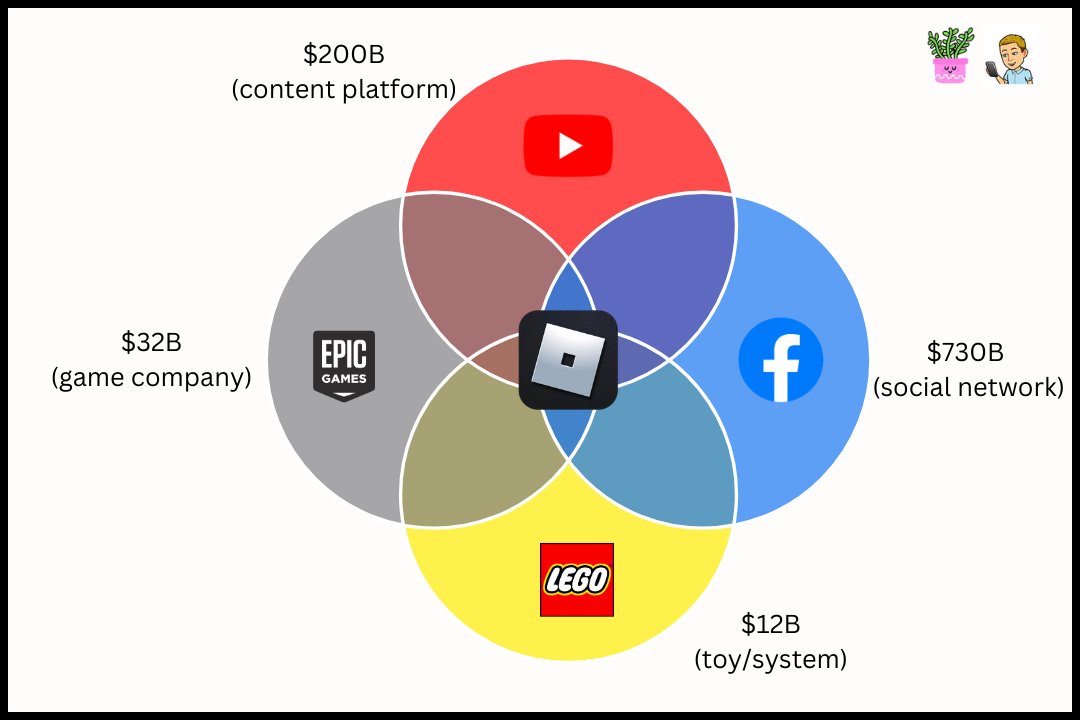
The economic development in Roblox virtual worlds stems from player-driven creation, trade of virtual goods, and developer monetization, fostering a dynamic and complex digital economy.
Have you ever wondered how a game can become a thriving digital ecosystem? The fascinating case of roblox economic development in virtual worlds demonstrates this perfectly. Players aren’t just consuming content; they are creating and trading items. This drives a complex cycle.
Roblox developers build engaging experiences and items that users purchase, often with Robux, the platform’s currency. These transactions create value for everyone involved. These virtual economies showcase a future of interactive online commerce.

Roblox Economic Development in Virtual Worlds
Have you ever wondered how people make real money playing video games? It’s not just about winning competitions anymore. In Roblox, a super popular online game platform, players aren’t just playing; they’re creating businesses, selling items, and building entire economies. Let’s dive into how this virtual world economy works, and how it’s changing the way we think about play and work.
Understanding the Roblox Economy
At its heart, the Roblox economy functions a lot like a real-world marketplace, but with a digital twist. Players, often young creators, use a virtual currency called Robux to buy and sell items, access games, and even hire other players. This system allows for a unique blend of fun and financial activity, creating opportunities for earning and spending in a virtual environment.
The Role of Robux
Robux is the lifeblood of the Roblox economy. Here’s how it works:
- Buying Robux: Players can purchase Robux with real-world money. This is the primary way to bring funds into the system.
- Earning Robux: Creators earn Robux by selling items, game passes, and access to their experiences (games). Some developers even offer services like building for others in exchange for Robux.
- Spending Robux: Players use Robux to buy avatars items, special abilities in games, or gain access to exclusive areas.
The circulation of Robux is vital to maintaining a healthy economy. It encourages users to create and participate, knowing they can earn virtual money that holds real-world value through the Developer Exchange program (DevEx). DevEx is explained in later section.
The Importance of Game Creators
Game creators are the driving force behind the Roblox economy. They are like entrepreneurs, designing games that people want to play. They are the ones who are developing these experiences, from fun obbies to complex role-playing games. These creators earn Robux when other players enjoy their games, making the platform exciting for everybody. The more players play a game, the more potential for Robux for the game’s creator. This acts as an incentive to create unique experiences that bring players back time and time again.
Key Components of the Roblox Economic System
The Roblox economy is not just about buying and selling. It’s a complex system with several interconnected parts, each contributing to the overall health and growth of the virtual marketplace.
Virtual Items and Assets
Players love to collect virtual items. These items can be anything, such as:
- Clothing for your avatar (shirts, pants, hats).
- Accessories like glasses, backpacks, or wings.
- Unique in-game items like swords, vehicles, or special tools.
These items are often created by the community themselves using the Roblox Studio and then sold for Robux. Some items can become rare and highly sought after, which increases their value. Think of limited edition clothing and accessories – these are very popular among players! The scarcity of certain items makes them valuable and desirable in the marketplace.
Game Passes
Game passes give players special advantages inside of a game. Examples might include:
- Access to exclusive areas of the game.
- Special powers or abilities.
- Unique items or equipment.
Players buy these with Robux, directly supporting the game creators and making the overall gaming experience more fun for the player. Game passes create a kind of “premium experience,” which can make the user happy and the game maker some extra virtual income.
Developer Products
Developer products are like in-app purchases within a Roblox experience. Unlike game passes, developer products can be bought multiple times. They often come in the form of:
- In-game currency within a specific game.
- Consumable items that are used up after they’re used once.
- Special boosts or perks that don’t last forever.
These purchases allow for an ongoing revenue stream for creators, and give players a way to enhance their enjoyment of the game.
The Trading System
Roblox also has a trading system where players can exchange items with each other. This is a great feature that allows players to swap items that they want for the items that they already have. Trading, like in the real world, can lead to price fluctuations, depending on supply and demand. Players who are skilled at trading can make profit by buying items low and selling them high. This contributes to the dynamic nature of the economy.
Real-World Impacts and Opportunities
The Roblox economy isn’t just confined to the virtual world; it also has significant impacts on the real world. It provides an opportunity for young people to develop financial literacy skills, learn about entrepreneurship, and make real money.
The Developer Exchange (DevEx) Program
DevEx is a program that allows eligible creators to convert their earned Robux into real-world currency. This feature links the virtual economy directly with the real world economy. Not anyone can convert Robux to real money. There are specific eligibility criteria that must be met, such as:
- Having a minimum amount of Robux earned in the account.
- Being of a certain age.
- Meeting other community standards.
This program creates a tangible incentive for game creators to develop unique and enjoyable experiences. It also teaches them real-world skills like budgeting, business planning, and understanding market dynamics. The possibility of actually earning money motivates creators to do their best and contribute to the overall development of the platform.
Skills Development and Entrepreneurship
Building and managing a virtual business on Roblox requires a diverse range of skills, including:
- Coding and scripting: Many creators use Roblox’s coding language, Lua, to design their games.
- Design and graphics: Creating appealing items, user interfaces, and experiences is important.
- Marketing and promotion: Game creators often need to promote their work to attract players.
- Business and financial management: Understanding how to price items, manage expenses, and reinvest profits.
Through this, young users gain important knowledge that is helpful in the real world, they also gain experience in problem-solving, teamwork, and creative thinking. These are essential skills that will help them in all aspects of their future lives. The Roblox economy acts as a training ground for young entrepreneurs.
Case Studies: Success Stories
Many creators on Roblox have turned their passion for game development into real careers. There are some creators who have made significant amounts of money creating and managing games and experiences. This is because of their talent in gaming development, community engagement, and their smart business strategies. These stories encourage many young players to pursue their creativity on the platform. Such successes provide evidence of the potential of the platform as a legitimate avenue for learning, income generation, and business development.
Challenges and Considerations
While the Roblox economy provides many opportunities, there are also some challenges and issues to consider. Here are some of them.
Market Volatility
The market for virtual items on Roblox can be unpredictable. The value of virtual items can go up or down based on a lot of factors, such as:
- Trends: Certain items may become popular quickly, increasing their value.
- Rarity: Limited edition items tend to be more valuable than those that are easily obtained.
- Player Preference: Changes in player interests can make certain items less desirable.
This fluctuation can make it difficult for creators to plan their businesses and for players to know the long-term value of the items they collect. It’s important to be aware that the value of items in the Roblox economy can shift. This risk can be considered as a natural part of the economic system.
Fairness and Ethics
There are always questions about fair play within any marketplace, and the Roblox economy is no different. Issues such as:
- Price gouging of virtual items.
- Exploiting game glitches for profit.
- The sale of items that violate the platform’s terms of service.
This creates challenges and could be harmful for other players in the game. The Roblox platform is always looking for ways to make sure that the game stays safe and ethical for all players.
Accessibility and Inclusion
Not every player has access to the same resources to succeed in the Roblox economy. Some players might not have the money to buy Robux, while others may not have the knowledge to be able to develop or create popular games. This creates a gap that could result in an unequal gaming experience for different players. It’s important to think about ways to make the platform more inclusive and accessible for everyone. To provide fair opportunities to every player, regardless of their background or circumstances.
The Future of Roblox Economic Development
The Roblox economy is still evolving and there is a potential for it to keep growing in the future. Here are some of the ideas on how the platform may grow and change:
Emerging Trends
- More sophisticated games: There may be a move toward more complex games that require bigger teams of developers and larger budgets.
- Integration of new technologies: We can expect to see the use of virtual reality (VR), artificial intelligence (AI) and other modern technologies incorporated into Roblox.
- More diverse business models: Game creators might find more creative ways to make money, like subscriptions or in-game advertising.
These changes could bring up even more possibilities for growth and innovation on the platform. The focus will likely be on making the economy more dynamic and responsive to the users’ needs and desires. We can expect some very exciting changes in the future.
The Role of the Community
The Roblox community will continue to be a major influence in how the economy develops. Player feedback, creator innovation, and community-driven initiatives play a huge role in the direction the economy takes. It’s a space where creativity and engagement work together to improve the entire platform experience.
Learning and Growth
The Roblox economy serves as a very useful way for young people to learn important life skills such as:
- Financial literacy
- Entrepreneurship
- Coding and digital design
- Business management
By being an active part of the economy, many players are developing skills that will benefit them in their future lives. The platform will continue to be a space for learning and growth, contributing to the development of a new generation of digital creators and entrepreneurs.
In short, the Roblox economy is more than just a game; it is a living, breathing marketplace where young creators are learning valuable skills and building real businesses. It’s a place where creativity and innovation come together to make a dynamic and exciting virtual world.
Unveiling Roblox's Billion-Dollar Business Strategy
Final Thoughts
Roblox’s platform allows creators to build intricate economies within their virtual worlds. These economies showcase diverse methods of value exchange, like virtual item sales and services. This fosters a micro-economic environment for players.
The continued success of these user-created systems highlights opportunities for developers to engage directly with their audiences. Roblox economic development in virtual worlds, offers valuable lessons in the creation of digital markets. They give players the tools for economic agency.

