
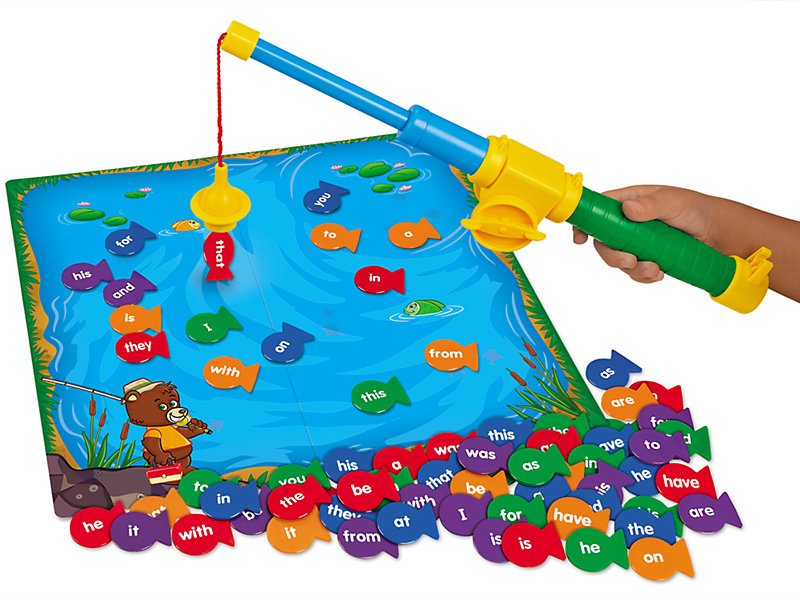
Sight word fishing game
is a fun, hands-on activity that helps kids learn to recognize and read common words quickly and easily through a playful fishing experience.
Want a fun way to help your child learn sight words? You can try a sight word fishing game. This game makes learning sight words into an exciting adventure.
A sight word fishing game is super easy to set up. Simply write sight words on fish cutouts, attach paperclips, and use a magnetic fishing pole! Children enjoy “catching” the words and reading them aloud.

Sight Word Fishing Game: A Fun Way to Learn
Sight word fishing game is a delightful and effective method for teaching children to recognize and read high-frequency words. It combines the joy of a game with the essential skill of reading. This game transforms learning sight words from a chore into an engaging activity.
Why Sight Word Recognition Matters
Sight words are the foundation of reading fluency. These are common words that children learn to recognize instantly, without needing to sound them out. Mastering sight words frees up cognitive resources for understanding the meaning of a text.
This leads to improved reading comprehension and enjoyment. Reading becomes less of a struggle and more of a pleasurable experience.
Benefits of Using a Sight Word Fishing Game
Using a sight word fishing game offers numerous advantages for young learners. It’s an active and hands-on approach to learning. Children are more likely to remember what they learn when they’re actively involved.
This game also makes learning fun. The element of play reduces anxiety and increases motivation. Children are excited to “catch” words and improve their reading skills.
Creating Your Own Sight Word Fishing Game
Making your own sight word fishing game is a simple and rewarding process. You can easily customize it to fit your child’s specific needs and learning style. Here’s how to get started.
Materials You’ll Need
Cardstock or construction paper: For creating the “fish.”
Markers or pens: To write the sight words on the fish.
Paper clips: One for each fish.
A dowel rod or stick: For the fishing rod.
String or yarn: To attach the magnet to the rod.
A small magnet: To “catch” the fish.
Scissors: To cut out the fish shapes.
A small container or bowl: To hold the fish.
Step-by-Step Instructions
1. Cut out fish shapes: Start by cutting out fish shapes from the cardstock or construction paper. Make them a variety of colors to make the game more visually appealing.
2. Write sight words: Write one sight word on each fish using a marker or pen. Choose words that your child is currently learning or needs to practice.
3. Attach paper clips: Attach a paper clip to each fish. This will serve as the point of attachment for the magnet.
4. Make the fishing rod: Tie one end of the string or yarn to the dowel rod or stick.
5. Attach the magnet: Tie the other end of the string to the small magnet. Ensure the magnet hangs freely.
6. Prepare the “pond”: Place the fish in a small container or bowl. This will be your “pond” for fishing.
Playing the Sight Word Fishing Game
Once you’ve created your sight word fishing game, it’s time to start playing! Here’s how to play.
Gameplay Instructions
1. Cast your line: Have your child hold the fishing rod and “cast” the line into the “pond” (container).
2. Catch a fish: Encourage your child to try and catch a fish with the magnet.
3. Read the word: Once a fish is caught, have your child read the sight word aloud.
4. Reward success: If your child reads the word correctly, they get to keep the fish! If they struggle, offer gentle assistance and encouragement.
5. Continue fishing: Keep fishing until all the fish have been caught.
Variations to Keep it Interesting
Timed fishing: Set a timer and see how many fish your child can catch and read correctly within the time limit.
Color-coded words: Use different colored fish to represent different categories of words, such as nouns, verbs, or adjectives.
Sentence building: After catching a few fish, have your child create a sentence using the sight words they’ve caught.
Team play: Play with multiple children and have them take turns fishing and reading words.
Point system: Assign points to different words based on their difficulty. The child with the most points at the end wins.
Adapting the Game for Different Skill Levels
The sight word fishing game is easily adaptable to suit different skill levels. You can modify the game to challenge advanced learners or provide extra support for struggling readers.
For Beginners
Use only a small number of sight words (5-10).
Choose words that are very familiar to the child.
Provide lots of positive reinforcement and encouragement.
Focus on accuracy rather than speed.
For Intermediate Learners
Increase the number of sight words in the game.
Introduce more challenging words.
Encourage the child to read the words quickly and fluently.
Introduce variations such as timed fishing or sentence building.
For Advanced Learners
Include more complex sight words and vocabulary.
Challenge the child to create stories using the sight words they catch.
Introduce a competitive element, such as a point system or timed challenges.
Encourage the child to teach the game to younger siblings or friends.
Different Sight Word Lists to Use
Several established sight word lists can be used for your fishing game. The Dolch list and Fry list are the most popular. These lists contain high-frequency words that are essential for reading fluency.
Dolch Sight Word List
The Dolch sight word list contains 220 words that are frequently found in children’s books. These words are divided into levels based on reading grade (Pre-Primer, Primer, First Grade, Second Grade, and Third Grade). Using this list ensures your child learns the most common and important words first.
Fry Sight Word List
The Fry sight word list contains 1,000 words, making it more comprehensive than the Dolch list. These words are also based on frequency of use and are divided into ten levels, with each level containing 100 words. This list provides a more extensive resource for sight word practice.
Making the Game More Engaging
To keep the sight word fishing game fresh and exciting, consider incorporating these tips. A little creativity can go a long way in maintaining your child’s interest and motivation.
Themed Fish
Create fish that are themed around your child’s interests. If they love dinosaurs, make dinosaur-shaped fish with sight words on them. If they are interested in space, create rocket or planet-shaped “fish.”
Sound Effects
Add sound effects to the game using a sound effects app or a small speaker. Play a “splash” sound when a fish is caught or a “ding” sound when a word is read correctly. These can be incredibly engaging for younger children.
Decorate the “Pond”
Decorate the container or bowl that holds the fish to resemble a real pond or ocean. Add blue-colored paper or fabric to the bottom and include some plastic plants or toy sea creatures. This will make the game more visually appealing and immersive.
Incorporate Movement
Incorporate movement into the game by having your child stand up and walk to a designated spot after catching a fish and reading the word correctly. This will help them burn off some energy and stay focused.
DIY vs. Buying a Sight Word Fishing Game
You can either make your own sight word fishing game or purchase a pre-made version. Both options have their own advantages and disadvantages. Choosing the right option depends on your budget, time, and crafting skills.
DIY Advantages
Cost-effective: Making your own game is significantly cheaper than buying one.
Customizable: You can customize the game to fit your child’s specific needs and interests.
Creative: It’s a fun and creative project that you can do with your child.
DIY Disadvantages
Time-consuming: It takes time and effort to gather materials and assemble the game.
Requires crafting skills: You need basic crafting skills to cut out the fish and create the fishing rod.
Buying Advantages
Convenient: Pre-made games are readily available and require no assembly.
Durable: They are often made from durable materials that can withstand repeated use.
Professional look: They have a polished and professional appearance.
Buying Disadvantages
More expensive: Pre-made games can be more expensive than DIY versions.
Less customizable: You have less control over the words and design of the game.
Sight Word Fishing Game: The Digital Edition
Besides the physical version, a digital sight word fishing game can be a convenient and engaging way to practice. Many apps and websites offer interactive fishing games that help children learn sight words.
Features of Digital Sight Word Fishing Games
Interactive Gameplay: Touchscreen controls allow children to easily “cast” their line and “catch” fish.
Audio Pronunciation: The game often includes audio pronunciation of the sight words, helping children learn to pronounce them correctly.
Progress Tracking: Some apps track your child’s progress and provide reports on their performance.
Customizable Word Lists: The digital games often allow you to customize the word lists to focus on specific words.
Engaging Graphics and Animations: Bright colors, fun animations, and rewarding sound effects make the game more engaging.
Advantages of Digital Games
Portability: Digital games can be played on tablets or smartphones, making them perfect for travel.
Accessibility: Digital games are easily accessible and can be played anytime, anywhere.
Interactive Feedback: The game provides immediate feedback, helping children learn from their mistakes.
Engaging: Digital games often include interactive elements that capture children’s attention.
Disadvantages of Digital Games
Screen Time: Too much screen time can be harmful to children’s health.
Distractions: Digital games can be distracting, with notifications and other apps competing for attention.
Lack of Physical Interaction: Digital games do not provide the same level of physical interaction as traditional games.
Safety Considerations
When creating or using a sight word fishing game, it’s essential to keep safety in mind. Ensure the materials are safe for children and supervise them while they are playing.
Magnet Safety
Small magnets can be a choking hazard for young children. Always supervise children when they are playing with magnets and ensure they do not put them in their mouths.
Sharp Objects
If you are making your own game, be careful when using scissors or other sharp objects. Supervise children closely and ensure they are using the tools safely.
Small Parts
Avoid using small parts that could be a choking hazard, such as small beads or buttons. If you are using small parts, ensure they are securely attached to the fish.
Sight Word Fishing Game: A Teacher’s Perspective
Teachers often use sight word fishing games in the classroom to reinforce learning and make lessons more engaging. It’s a fantastic tool for small group instruction or as a learning center activity.
Classroom Applications
Learning Centers: Sight word fishing can be a fun and engaging learning center activity.
Small Group Instruction: It can be used for small group instruction to reinforce sight word recognition.
Assessment Tool: Teachers can use the game to assess students’ sight word knowledge.
Differentiation: The game can be easily differentiated to meet the needs of individual students.
Reward System: Use the game as a reward for completing other tasks or activities.
Tips for Teachers
Prepare Materials in Advance: Prepare all the materials in advance to save time during class.
Clear Instructions: Give clear instructions to students on how to play the game.
Monitor Student Progress: Monitor student progress and provide support as needed.
Provide Feedback: Give students feedback on their performance and encourage them to keep practicing.
Make it Fun: Make the game fun and engaging to keep students motivated.
Sight Words Fishing Game Materials
Final Thoughts
Ultimately, the sight word fishing game makes learning fun and effective. It actively engages children in reading practice.
The game’s hands-on nature also builds confidence. It’s must for building a solid foundation for future reading.
This simple ‘sight word fishing game’ provides a playful way to learn. Use it to reinforce recognition and improve fluency.

