
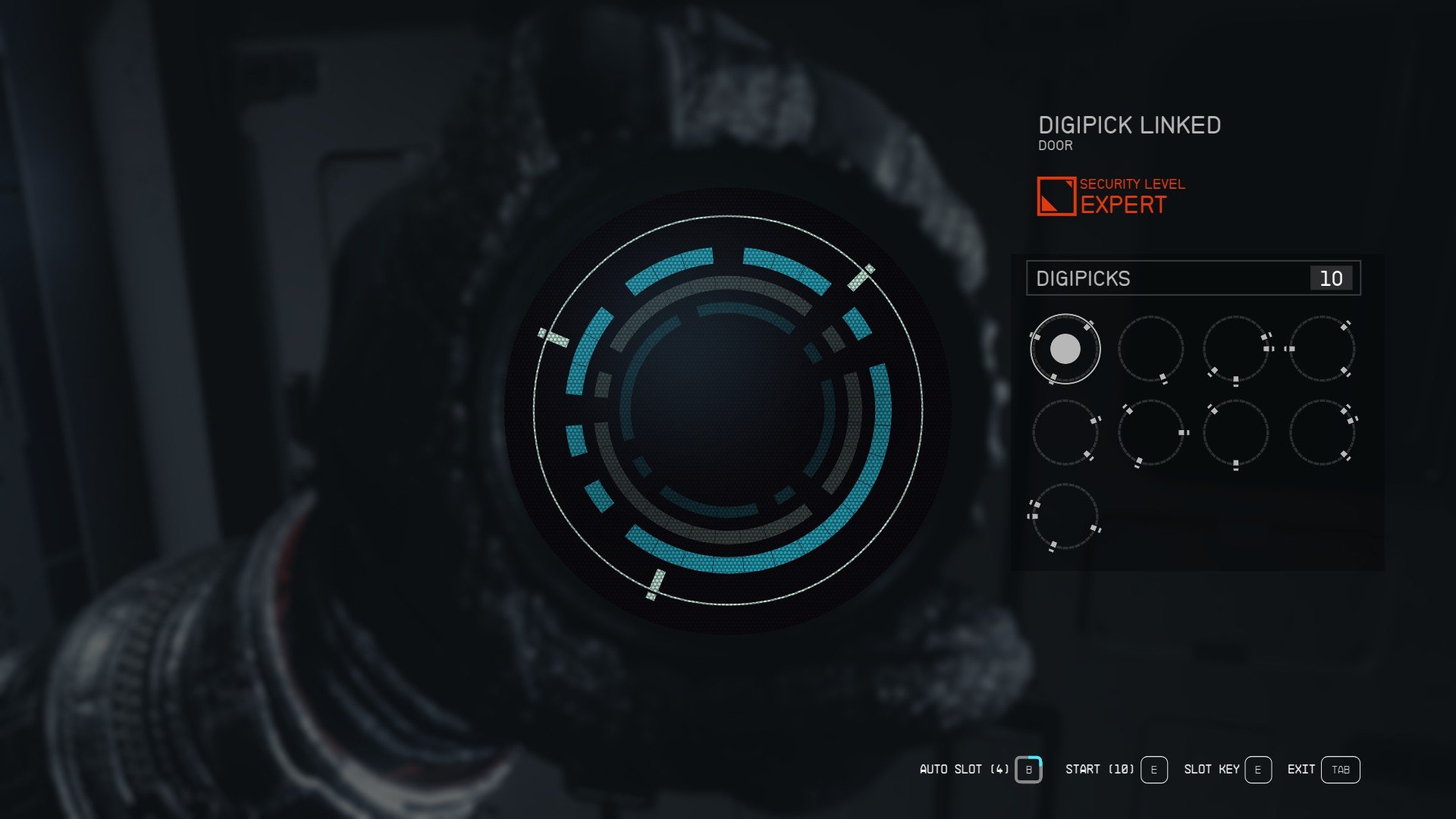
The Starfield expert level information guide details advanced strategies for shipbuilding, combat, and resource management, aiming to maximize player efficiency and enjoyment.
Ready to delve deep into the cosmos of Bethesda’s epic? This Starfield an expert level information guide goes beyond the basics. We understand you’re seeking more than just surface level tips.
This guide provides insights into complex systems, advanced build strategies, and optimal gameplay loops. Forget the beginner’s guides; we’re diving into the minutiae that separate casual players from true space explorers. Expect to learn precise techniques for making the most of your journey through the stars.

Starfield: An Expert Level Information Guide
Understanding the Starfield Universe
Alright, let’s dive deep into the vast cosmos of Starfield! This game isn’t just about shooting space pirates; it’s a massive, intricate universe with tons to explore. Think of it like a giant sandbox filled with planets, stars, and stories just waiting for you. But to really get the most out of it, you need to know the lay of the land.
First off, the game is set in a future where humanity has spread across the galaxy. You’re part of Constellation, a group of explorers searching for mysterious artifacts. This sets up the main story, but there’s so much more beyond that. You’ll find yourself exploring cities, building outposts, engaging in space combat, and even getting involved in politics. It’s a big world with a lot to do!
Navigating the Star Chart
The Star Chart is your best friend in Starfield. It’s how you move between star systems and discover new planets. It’s not just a map; it’s more like a massive interconnected web of possibilities. Each star system has a main star, planets, moons and sometimes even space stations. You can travel to a nearby system by spending fuel, and it’s super important to always have some.
Here are a few things to keep in mind when using the Star Chart:
- Scanning Planets: Before you land, scan the planet. This shows you what resources are available and what kind of environments to expect. Some planets might be lush with plant life, while others could be cold and barren.
- Jumping Systems: Each jump uses fuel. You can plan jumps by looking at the route line from your current location. You have to upgrade your ship’s grav drive to jump further.
- Markers: You can mark different planets and locations that you want to return to. This can help you stay organized when you’re doing different missions or exploring.
Character Creation and Skills
Your journey in Starfield starts with making your character. Don’t skip this part, because who you create has a big impact on the game. Your background, traits, and skills shape your adventure, making every playthrough unique. It also affects how characters interact with you and what options are available in conversations.
Backgrounds
Think of your background as your backstory. It determines the skills you start the game with. Here’s what you need to know:
- Skills Bonuses: Each background gives you a set of three skills at level one. These skills will help you in the early game, so choose carefully. Some will boost social interactions, combat or technical capabilities.
- Role-Playing: Your background will also help you connect with your character and make role-playing more immersive. You can pick from a wide array of options, ranging from a bounty hunter to an industrial worker.
Traits
Traits are special characteristics that make your character unique. They can offer advantages and disadvantages. Here are a few examples:
- Introvert: This trait gives you more stamina when you’re adventuring solo, but less when with a companion.
- Empath: You get an occasional buff after making someone happy, but a penalty for making someone unhappy.
- Taskmaster: Ship weapon systems have increased reload speeds, but ship shield systems have decreased speeds.
Take some time to think about how these traits will affect your play style. You can pick up to three traits, and not all of them are beneficial. Choosing your trait carefully can help you tailor the experience to your liking.
Skill System Deep Dive
The skill system in Starfield is very extensive. Skills are divided into five categories: Physical, Social, Combat, Science, and Tech. Each skill can be leveled up multiple times, granting you access to new abilities and perks. You gain skill points when you gain character levels.
Physical Skills
- Fitness: Increases your overall stamina.
- Weight Lifting: Boosts how much you can carry.
- Stealth: Makes you harder to detect.
Social Skills
- Persuasion: Increases your ability to convince others.
- Commerce: Get better prices when buying and selling.
- Deception: Let’s you manipulate other people.
Combat Skills
- Ballistics: Increases the damage with ballistic weapons.
- Lasers: Boosts laser weapon damage.
- Marksmanship: Increases your accuracy in combat.
Science Skills
- Medicine: Improve the effectiveness of healing items.
- Research Methods: Increases research efficiency.
- Geology: Discover more materials from planetary surveys.
Tech Skills
- Security: Allows you to pick higher level locks.
- Piloting: Increases the maneuverability of your ship.
- Ship Engineering: Improves repair capabilities on your ship.
Choosing your skills wisely is very important to build the character that you want. It’s a good idea to focus on a few key skills early on, then gradually branch out to other areas as you level up.
Spacecraft Mastery
Your spaceship is more than just transportation; it’s your home, your weapon, and your mobile base of operations. You can modify and improve almost every aspect of it. Let’s take a look at that:
Ship Customization
One of the coolest things about Starfield is how much you can change your spaceship. You can make it a fast ship, a powerful gunboat, or a comfortable mobile base. Here’s a basic breakdown:
- Ship Parts: You can add and remove different ship parts such as weapons, engines, shields, and cargo containers. Each part has different stats that impact your ship’s performance. You can find parts at different ship vendors and shipyards.
- Visuals: Change the way your ship looks by painting it a different color. Some parts can also alter the visual design of your ship.
- Upgrading: You can use credits to buy better ship components and make them more effective. You can level up your piloting and ship engineering skills to improve your ships.
Space Combat
Space combat in Starfield can be very engaging. You will find yourself fighting against pirates, rival factions, and even dangerous creatures. Here’s a few key things to remember during a fight:
- Targeting: Use the targeting system to focus on specific enemy ship parts. By taking out weapons or engine systems you can severely limit your opponent.
- Shields: Always make sure your shields are up because this is your first line of defense. Keep your shield power distribution balanced or focus on shields if needed.
- Weapons: Use a mix of weapons, ballistic and laser weapons are useful for different situations. Learn to use each of your weapons effectively.
- Boost: Use your boost ability to evade enemy attacks and get into a better position.
Ship Management
It’s important to manage your ship effectively. You will need to keep an eye on your fuel, cargo, and repair status. Here are a few quick tips:
- Fuel: Always check your fuel before making a jump. Fuel can be found at trading posts or by landing on planets and using your ships fuel scoop.
- Cargo: Overloading your cargo hold can limit your ship’s maneuverability and jump distance.
- Repair: Repairing your ship from damage that you took in a space combat is super important to get ready for your next fight.
Outpost Building and Resource Management
Building outposts is a really important part of Starfield. It allows you to set up bases on different planets. These outposts can be used to mine resources, create storage, and even grow food. It’s a great way to make passive income and get valuable materials.
Outpost Basics
To get started with building an outpost you will first need to find a good spot. Look for areas with a lot of resources nearby and relatively flat terrain. Here’s how to get started:
- Landing Pad: You need a landing pad to get to your outpost using your ship.
- Habitation: Build habitats to have some living space, your companions can also stay at your outpost.
- Resource Extractors: Place resource extractors over mineral deposits to automatically collect the resources.
- Storage: Build storage containers to store the resources from your extractors and other collected items.
Resource Management
Resource management is very important for the success of your outpost. Here are some things you need to know:
- Supply Lines: Use supply lines to transport resources between your outposts. This can create a network of interconnected bases throughout the galaxy.
- Research: Research new outpost components and extractors to improve your resource production and efficiency.
- Automation: Use robotic arms to automatically move resources between buildings and storage containers.
Advanced Exploration Strategies
Starfield is all about exploration, and there are ways to do it like an expert. Here’s some advice to help you explore the galaxy efficiently:
Planet Scanning Techniques
Before you even set foot on a planet, you should scan it thoroughly. Use your ship’s scanner to collect information about the planet’s resources, flora, and fauna.
- Full Planet Scan: Make sure that you completely scan the planet to see all of the areas of interest and gain all of the planet data.
- Point of Interests: Pay attention to different points of interests such as research facilities and geological surveys.
- Resource Locations: Focus on areas that have a high concentration of resources that are important to you.
Surveying for Unique Encounters
While you are exploring, always be on the lookout for unique locations and encounters. Don’t be afraid to go off the beaten path and see what you will find. Here’s some advice on exploring for unique encounters:
- Random Encounters: Space exploration is filled with random encounters, sometimes you will find pirates, traders, or other friendly and dangerous people.
- Unmarked Locations: Some of the most interesting places are not marked on your map, so always keep an eye out.
- Listening To Rumors: Sometimes you can find cool locations and missions from listening to rumors in the cities.
Using Your Scanner Effectively
Your scanner is a really useful tool for exploring the world. Using it effectively can give you an advantage in all situations. Here’s a few ways to use it:
- Environmental Scanning: Scanning the environment will show you loot and resources, and the locations of any nearby creatures.
- Target Scanning: When in combat you can use your scanner to spot weaknesses of your enemies.
- Research Scanning: Scan creatures, plants and different materials to gain research data and use it to develop new items.
Combat Tactics
Combat is a big part of Starfield. There are times that you need to stand your ground. Here are some strategies that will help you be better in combat:
Weapon Types and Usage
Starfield has a variety of weapon types, and knowing which ones to use in a certain situation is vital. Here’s a breakdown:
- Ballistic Weapons: Good for standard combat and doing high amounts of damage.
- Laser Weapons: Great for fighting against shielded enemies.
- Particle Weapons: Can do a lot of damage to both shields and health.
- Melee Weapons: Good for sneak attacks, and close-range combat.
Stealth and Cover
Stealth can be used to get an advantage in combat. You can use it to sneak around enemies to get to a good position or take them out before they notice you. Using cover effectively can also give you an advantage by making you harder to hit:
- Sneaking: Use the sneak ability to remain undetected and take out enemies before they become aware of your presence.
- Cover: Use walls, boxes, and other objects to avoid enemy fire and protect yourself.
- Flanking: By flanking your enemies, you are able to confuse and overwhelm them.
Enemy Weaknesses and Strategies
Different enemy types have different weaknesses. Here are some strategies for taking on various types of opponents:
- Human Enemies: Human enemies are generally vulnerable to cover and being flanked.
- Creature Enemies: Creature enemies usually have weak points, that you can see by scanning them.
- Robotic Enemies: Robotic enemies are often resistant to some types of damage, so use the proper weaponry.
By understanding different enemy types, you will be able to dominate in combat.
Faction Interactions and Quest Lines
In Starfield, you’ll encounter many different factions, each with its own goals, beliefs, and quest lines. Getting involved with these factions can significantly impact your journey through the game. This adds another layer to the game, giving you different perspectives on the world.
Understanding Factions
The major factions are:
- Constellation: The organization of explorers that you are a part of, focused on uncovering the secrets of the artifacts.
- United Colonies (UC): One of the major governments, focused on maintaining order and stability.
- Freestar Collective: This is another major faction, focused on the ideals of freedom and independence.
- Ryujin Industries: A large corporation, focused on creating advanced technology.
Each of these factions offers different opportunities and challenges. They also have different beliefs, which can influence your overall experience.
Faction Quests and Consequences
The quest lines for each faction are full of choices and consequences. Here’s a few things to remember when choosing to get involved with a faction:
- Quest Outcomes: The choices you make while completing a faction’s quest line can have long term effects on the story and the world.
- Faction Reputation: If you side with one faction, it might reduce your relationship with other factions.
- Rewards: Completing quests for a faction can give you access to special gear, skills, and story moments.
Choosing which factions you want to get involved with can have a major impact on your story. Some factions are not friendly with each other, so you can’t be a good guy with everyone.
Tips For Success
Let’s quickly cover a few more tips that will help you have the best possible experience in Starfield:
Inventory Management
Keeping track of your inventory is very important. If you don’t have space, you won’t be able to carry loot or resources. Here’s some advice on managing your inventory:
- Weight Management: Your character has a weight limit. Always remember to remove the extra weight from your inventory when you can.
- Storage Containers: Use storage containers on your ship and at your outposts to store excess items.
- Sell Excess Items: When your inventory is full, sell the items that you don’t need at the nearest vendor.
Save Frequently
Always remember to save your progress frequently. Starfield can be unpredictable, and you don’t want to lose progress if something goes wrong. Try to save after completing quests, or before going into a dangerous situation.
Stay Curious and Explore
The most important thing to remember is that Starfield is a game that rewards curiosity. Don’t be afraid to explore the galaxy and see what you can find. If you stay curious and always want to see what is around the next corner, you will surely find some of the most interesting secrets of Starfield.
Starfield presents a rich and complex world for players to explore. By understanding these key game mechanics, you’ll be well-equipped to survive and thrive in the vast cosmos. From character development and spaceship customization to resource management and combat tactics, you have a lot of tools at your disposal to become a true master of the stars. Stay curious, keep exploring, and enjoy the incredible universe that Starfield has to offer.
Starfield – Easy Solving Expert & Master Level Digipicks w/ Divide & Conquer
Final Thoughts
This expert guide provided deep dives into complex Starfield mechanics. We covered ship building, skill optimization, and intricate outpost management. Understanding these systems significantly enhances your gameplay.
Starfield an expert level information guide ensures you fully grasp game’s intricacies. This knowledge enables players to navigate challenges efficiently. Applying this information will greatly improve your overall experience.

