
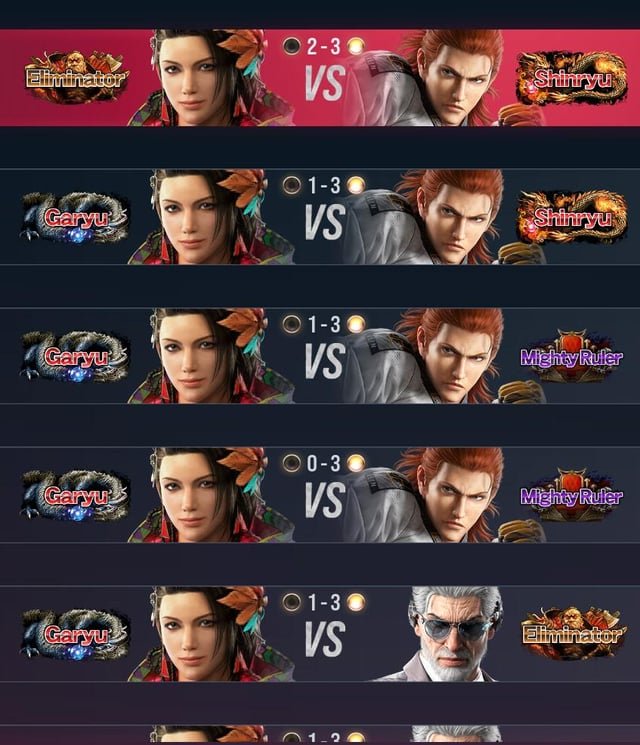
Tekken 8 adapting to losses requires players to analyze their mistakes, adjust their strategies, and learn from their opponent’s tactics to improve their gameplay.
Frustration after a tough loss in Tekken 8 is normal, but it’s how you react that determines your future success. Tekken 8 adapting to losses isn’t just about getting better; it’s about understanding why you lost in the first place. Did you get caught by the same move repeatedly? Did your opponent find your patterns easy to predict?
Learning to identify these weak points will help you change your gameplay. Don’t just jump into the next match, consider how you could have approached things differently. Effective Tekken 8 play involves adapting after any loss to your opponent’s style and to your own mistakes.

Tekken 8 Adapting to Losses
Losing in Tekken 8, like in any fighting game, can be frustrating. But it’s also a super important part of getting better! Think of it like learning to ride a bike – you fall a bunch of times before you finally get the hang of it. In Tekken 8, each loss is a chance to learn something new about the game, your opponent, and even yourself. It’s not about avoiding losing; it’s about using those losses to grow stronger. Let’s dive into how you can turn those frustrating defeats into powerful learning opportunities in Tekken 8.
Understanding Why You Lost
The first step in adapting to a loss is understanding why it happened. It’s easy to just say, “They were better,” but that doesn’t really tell you anything useful. Instead, try to pinpoint specific things that went wrong. Here are a few things to consider:
- Did they keep hitting you with the same moves? If so, you need to figure out how to defend against those moves. Maybe they were using a low attack you weren’t blocking, or a fast combo you couldn’t react to.
- Did you find it hard to open them up? Maybe your offense was too predictable. Did you rely on the same few moves, or did you vary your attacks?
- Did they control the pace of the match? Did they keep you on the defensive the whole time? If so, you need to learn how to reclaim control of the fight.
- Did you panic or get frustrated? Sometimes, you make mistakes because you are too stressed. Take a break and come back with a clear mind.
Don’t be afraid to watch a replay of your match. Many times, you will see mistakes you didn’t even realize you were making during the fight. Take your time when watching the replay, and pay attention to the details. Every single detail matters in a fast-paced game like Tekken 8.
Analyzing Your Opponent
Tekken 8 isn’t just about knowing your own character; it’s also about knowing how your opponent plays. Watch carefully during the match and ask yourself these questions:
Opponent’s Playstyle
- Are they aggressive or defensive? If they’re always attacking, you might need to use more defensive tactics. If they turtle up, try to find ways to break their defense.
- Do they rely on certain moves or strings? Knowing their patterns can help you predict their next move.
- Do they have any habits? Some players do the same thing after every knockdown, or always do the same thing when they get close. These things become very obvious when you watch multiple replays.
- Do they prefer certain ranges of combat? Some players thrive at long ranges with pokes, while others will try to get in very close for mix-ups.
Character Matchups
Every character in Tekken 8 has strengths and weaknesses. Learning how your opponent’s character works can give you a huge advantage. For example, some characters are good at applying pressure, while others are good at counter-attacking. Knowing these things helps you change your strategy to better fight them. Sometimes, you might even have to change your character to counter the opposing one.
Adjusting Your Strategy
Once you understand why you lost, it’s time to adjust your strategy. This doesn’t mean completely changing everything you do. Instead, try making small changes based on what you learned. This is where training mode becomes your best friend. Here’s how to approach adjusting strategy:
Practicing Specific Scenarios in Training Mode
Instead of just practicing combos, focus on specific situations you struggled with in the match. Here are some scenarios you should practice:
- Defense against specific moves: If you keep getting hit by a certain move, record the computer doing it, and practice blocking, sidestepping, or punishing it.
- Breaking throws: Many players can easily spam throws. Practice the different throw breaks and watch out for the different throw animations.
- Punishing whiffs: When your opponent misses an attack, that is your opportunity to counter-attack. Practice capitalizing on those opportunities.
- Creating your own offense: Work on mixing up your attacks, learning to use different moves to keep your opponent guessing.
- Movement: Practice moving around the stage efficiently, creating space when needed. Learn how to back-dash to avoid a strong attack.
Changing Your Game Plan
Sometimes, your current game plan just isn’t working. It’s like trying to fit a square peg into a round hole. It might be time to try something completely different. If you have been very aggressive, you might want to focus on defense. If you have been turtling, then try to get aggressive. Here are a few things to consider when changing your strategy:
- Switching up your moves: Try using moves you don’t normally use to surprise your opponent.
- Changing your timing: Don’t be so predictable. Mix up the time you attack, throw out a poke, or sidestep.
- Playing mind games: Sometimes you just have to be unpredictable.
- Controlling the space: Try to dictate where your opponent is on the screen.
Don’t be afraid to experiment! Some things might work, and some things might not, but the important thing is that you learn and grow from each experience.
The Importance of Mental Fortitude
Tekken 8 is as much a mental game as it is a physical one. Losing can be frustrating, and it’s easy to get discouraged. However, developing a strong mental attitude is key to improvement. Here’s how to stay positive:
Staying Calm and Focused
Getting upset during a match can make you make bad decisions. Take deep breaths, focus on what you need to do, and don’t let your emotions control you. Staying calm allows you to think more clearly and respond better to your opponent’s actions. If you lose a round and feel yourself getting frustrated, take a small moment to recompose and don’t let it affect you. If you start to lose too many rounds in a row, it’s probably time to take a break.
Embracing the Learning Process
Losing isn’t failing; it’s an opportunity to learn. Each loss teaches you something you can improve. Don’t focus on the losses themselves, but focus on the knowledge you gained. Think of it as a detective investigating a case; the goal is to find clues to what you could have done better.
- Keep a learning journal: Note down what went wrong and what you need to work on. This journal will be invaluable in your training.
- Celebrate small victories: Did you finally block that annoying move? Did you get better at your combos? Recognize your growth.
Avoiding Tilt
Tilt is a state of mind where frustration leads to poor performance. It’s like losing your grip on the wheel while driving. Avoid playing when you are tired or upset. This will only hinder your learning and make you fall into bad habits. If you are starting to feel angry, just take a break and come back to the game later with a fresh mind.
Seeking External Resources and Feedback
Sometimes, getting an outside perspective can really help you see things you were missing. This is where external resources and feedback can be a game changer.
Watching Professional Players
Watch how pro players handle difficult situations and learn from their strategies. YouTube is a great platform to watch skilled players. Pay attention to the way they move, attack, and defend. Notice how they use spacing and mix up their moves to keep their opponents guessing. Try to mimic some of their movements and tactics in your own matches.
Joining the Community
Tekken 8 has a large and helpful community, filled with players of all skill levels. Join online forums, Discord servers, and other online communities to talk to other players. Ask for advice, share your experiences, and learn from others. Many players are happy to watch replays and point out your mistakes, or give you advice on how to improve. Playing with other players online or in-person can also be beneficial.
Getting Feedback from Other Players
Find a friend or someone in the community who is good at the game, and ask them to watch some of your matches. This is one of the most important things you can do to improve. They will be able to point out your mistakes more easily than you would yourself. Be open to constructive criticism, and use it to improve your game.
Consistent Practice and Patience
Getting good at Tekken 8 takes time and effort. Don’t expect to become a master overnight. This will take time and lots of practice. Try to practice every day and always try to learn something new. The key is consistency. The more you practice, the faster you will improve. Here are some important things to keep in mind:
Setting Realistic Goals
Don’t try to do everything at once. Focus on one thing at a time, and gradually work towards your goals. For example, you might set a goal to learn a new combo this week, or to get better at defending against low attacks. Once you reach your goal, set a new one. Don’t set goals that are unrealistic, because that can be discouraging. Try to set attainable goals that you can reasonably achieve.
The Importance of Regular Practice
Practicing often, even for short periods, is more effective than long sessions. Try to set aside some time every day to practice, even if it’s just for 30 minutes. Consistency is more important than the amount of time. When you have too long training sessions, you become tired, and you don’t learn as much. Make sure that you have the right energy to practice effectively.
Tracking Your Progress
Keep track of your progress. This is more about knowing if you have improved. This could be your win-loss ratio, how often you block low attacks, or how comfortable you feel with different characters. This will also help you motivate yourself and see how far you have come. Always remember how you started, and how far you have come. This will help you feel better when you have been practicing hard.
Adapting to losses in Tekken 8 is a journey, not a destination. Every match, whether a win or loss, offers an opportunity to get better. By understanding your mistakes, analyzing your opponents, adjusting your strategy, staying mentally strong, and being patient, you can turn losses into valuable stepping stones on your path to becoming a stronger Tekken 8 player. Remember, the best players are not those who never lose; they are those who learn from each loss.
How To Adapt And Win Vs A Nut In Tekken 8!
Final Thoughts
Ultimately, Tekken 8 adapting to losses becomes a crucial skill. Players who learn from defeats can significantly improve their gameplay. This adaptation requires analyzing mistakes and adjusting strategies.
By accepting setbacks, individuals can develop better decision-making. Tekken 8 rewards this learning curve, leading to satisfying progress. This approach enhances the overall competitive experience.

