
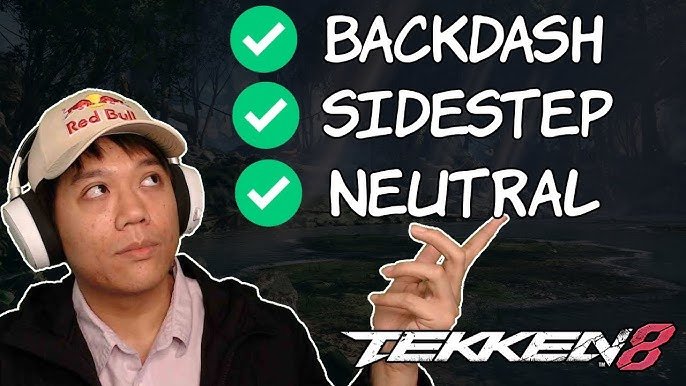
Effective Tekken 8 movement in the neutral involves using back dashes, side steps, and forward movement to create space, bait opponents, and whiff punish their attacks.
The dance of combat in Tekken 8 is largely defined by positioning. How you navigate the neutral space determines your success. It’s not just about pressing buttons; it’s about creating opportunities. Tekken 8 movement in the neutral requires a mix of patience and aggression.
Players need to be proactive and reactive. This is through strategic movement. A well-timed backdash can avoid a dangerous attack. Conversely, a quick sidestep lets you punish a mistimed jab. Understanding these fundamental movements is essential for victory.

Tekken 8 Movement in the Neutral
Okay, so you’re ready to step into the world of Tekken 8 and you want to become a real force in the arena? Great! One of the biggest things that separates a good player from a great one is how they move, especially when both players are at a distance, in what’s called “the neutral”. Think of the neutral as the space where neither player has a clear advantage. It’s where you’re trying to get in on your opponent or stop them from getting to you. This part of the game is all about making smart choices, reacting quickly, and controlling the pace. Let’s explore all the cool ways you can move and use that movement to your advantage in Tekken 8.
Understanding the Basics: Tekken 8’s Movement Options
Before diving into advanced tactics, let’s break down the fundamental ways your character can move in Tekken 8. These are the building blocks for everything else you’ll learn. Think of it like learning your ABCs before you write a story.
Forward and Backwards Walking
The simplest moves are walking forward and backward using the directional pad or the analog stick. Walking forward is how you close the distance, while walking backward helps create space. It’s easy to do, but don’t underestimate its importance. Small steps can help you bait an opponent to attack.
Dashing
Dashing is like a quick burst of speed in one direction. Tap forward twice to dash forward or back twice to dash backwards. Dashing allows you to close distance quickly or escape an opponent’s range quickly. Dashing is much faster than walking, so it can catch your opponent off guard or get you out of a jam.
Side Stepping
This move is vital for avoiding linear attacks and creating angles for your own offense. Tap up or down on the directional pad to sidestep right or left. A good sidestep makes some attacks completely miss you, opening up opportunities to counter. It takes practice to get the timing right, but it’s a crucial skill to learn. Remember, you sidestep ‘into’ the screen (up) or ‘out’ of the screen (down), depending on which side you’re facing.
Back Dashing
Back dashing is a critical tool. It’s done by quickly tapping back twice. This lets you quickly move backward to create space between you and your opponent. It’s particularly useful against opponents trying to pressure you with fast-paced attacks.
Crouching and Crouching Movement
Hold down on the directional pad or stick, and your character will crouch. Crouching makes you low to the ground, causing some attacks to go over your head. Crouching has many uses, you can hold down and then you can press any directional button with crouch, which will lead you to the crouching movement, you can use this movement to move and also to bait out your opponent. While crouching, your character’s movements are slower, so use it wisely.
Jumping
Press up to make your character jump. Jumping can be used to evade low attacks, but it’s risky because you’re vulnerable while in the air. It should mostly be used for movement in certain specific situation, where you are trying to reach out some attacks with your jump. So, it’s not ideal for general movement in the neutral position
Strategic Movement: Making it Count
Knowing how to move is one thing; knowing when and why is what makes the difference. Movement in the neutral isn’t just about zipping around. It’s about creating advantages for yourself and limiting your opponent’s options.
Pacing and Controlling Distance
Controlling distance is a big part of the neutral game. You want to keep your opponent where you want them, not where they want to be. This means using your movement to get to your optimal range. For example, some characters are better at close range, and some are better at long range. The goal is to keep the distance where your character excels.
- Close Range: Aggressively close the gap using dashes and side steps to get right in your opponent’s face.
- Mid Range: Maintain a comfortable distance where you can react to your opponent’s movements. This is often the best range to bait out attacks that you can then punish.
- Long Range: Keep a gap between you and your opponent using back dashes and walking backward. Use long-range attacks to chip away at their health.
Whiff Punishing: Capitalizing on Mistakes
When an opponent attacks and misses, it’s called a “whiff.” This is a major opportunity for you to punish them with a strong attack. Movement plays a huge role in this. Here’s how to make the most of whiffs:
- Baiting Attacks: Use small movements to entice your opponent to throw out a move. When they miss, you can dash in and punish.
- Sidestepping and Punishing: If your opponent throws a linear attack, sidestep it to make them whiff, and then attack.
- Back Dashing and Punishing: If your opponent over extends, back dash and immediately attack to catch them as they finish their move.
Mind Games: Prediction and Deception
Movement isn’t just about your physical position; it’s also about where your opponent thinks you’re going. This is where mind games come in.
- Inconsistent Movement: Don’t become predictable by always doing the same thing. Mix up your movement patterns to keep your opponent guessing. If you always backdash, they will eventually predict that and punish it.
- Feinting: Use short movements in one direction and then quickly move in another to confuse your opponent.
- Pauses: Sometimes, stopping your movement completely can bait an opponent into attacking, because they think you are vulnerable.
Using Movement to Control the Tempo
Movement allows you to control the pace of the match. If you want a slower match, where you are moving around very patiently, then you want to use more backdashes and walking. If you want a fast paced match, then you will close the distance using forward dashes and walking.
- Slower Pace: Maintain a distance and poke when the opportunity arises. Use back dashes and walking to keep your opponent from being aggressive.
- Faster Pace: Constantly close the gap with dashes and sidesteps. Keep the pressure on your opponent so they have to react to your aggressiveness.
Advanced Movement Techniques: Taking It to the Next Level
Once you’re comfortable with the basic movements, it’s time to explore some more advanced techniques. These will require practice but they can greatly improve your control in the neutral.
Korean Backdash (KBD)
The Korean Backdash, or KBD, is an advanced technique that allows for much faster backward movement than a regular backdash. It involves quickly inputting the following sequence: Back, Down-Back, Back. This takes a bit of practice to get right, but it gives you a super fast backdash, which allows for better distancing and spacing control. It’s one of the most important techniques to learn if you want to be very good at Tekken.
Sidestep Cancels
Sidestep canceling is when you sidestep and then quickly cancel out of the side step by walking forward. This technique allows you to quickly shift your character horizontally and be ready for any attack or situation that your opponent provides. This is also an essential technique.
Movement Mixups
The best Tekken players don’t just move in one way. They combine many different movement options to keep their opponent guessing. This includes mixing walking with dashing, mixing side stepping with back dashes, etc. They don’t let the opponent know what they are going to do next. This is how good players become unpredictable and hard to punish.
Character Specific Movement: Adapting to Your Fighter
It’s important to remember that not all characters move exactly the same. Some characters have better dashes, sidesteps, and some characters have unique movement techniques specific to them. Here’s how you should approach movement when picking a new character.
Analyzing Your Character’s Strengths
Consider your character’s strengths. Some characters are designed to be aggressive and get in your opponent’s face, while others are designed to stay back and poke from afar. Move accordingly to your character’s strenghts. If you are aggressive character, try to close the distance. If you are defensive character, try to maintain distance.
Understanding Unique Movements
Some characters have special movement options. For example, certain characters can have moves that allow them to quickly jump forward or leap backwards. Take the time to learn your character’s special movement abilities and incorporate them into your strategy. Some of them are very useful for creating mixups and pressure.
Practicing with Different Characters
The best way to understand how movement works is to try many characters. Each character will give you a different experience, so take your time to learn many characters in the game to truly master the movement in Tekken 8. By playing with different characters, you will learn to identify each character’s strengths and weaknesses, which will help you become better at movement and overall gameplay.
Practicing Movement: Making it Muscle Memory
All this knowledge is great, but it’s useless if you can’t apply it in a real match. Here are some tips for practicing your movement skills.
- Practice Mode: Spend time in practice mode just moving around. Do dashes, sidesteps, KBD’s, etc. Get comfortable with how each move feels and looks.
- Movement Drills: Create simple drills for yourself. For example, try to sidestep three times in a row, or try to do the KBD motion three times in a row. Repetition helps build muscle memory.
- Play Against Real People: Once you feel comfortable with your movements, try using them in real matches. Don’t be afraid to lose; it’s all part of the learning process.
- Watch Pro Players: Take a look at how the best players in the world move. Pay attention to when they are moving and try to understand why they are using certain movements in different situations.
Common Mistakes to Avoid
It’s easy to make mistakes, especially when you are first learning about neutral movement. Here are some common things to avoid:
- Being Predictable: If you always backdash or always walk forward, your opponent will take advantage. Mix up your movements.
- Over Using Movement: It can be tempting to move all the time, but sometimes, its better to stand still and be ready to react.
- Forgetting to Punish: Don’t just move around; be ready to punish your opponent when they make mistakes. Movement helps you create these punish situations.
- Not Sidestepping Right: Always try to sidestep into the background or into the screen. If you sidestep towards your opponent, many attacks will be able to track you.
Movement in Different Matchups
Your movement can change depending on your opponent’s character. Here are some tips:
- Aggressive Characters: Against aggressive characters, use backdashes and side stepping to avoid their pressure.
- Defensive Characters: Against defensive characters, use forward dashes and movement to apply pressure.
- Long Range Characters: Against characters that rely on long range attacks, sidestep and use dashes to get in close.
Movement in Tekken 8 is a deep and essential part of the game. It’s not just about moving your character around the screen, its about how and when you move to take control of the fight. By understanding the basics, practicing regularly, and making smart choices, you can improve dramatically. Remember, movement is a skill, and it takes time and patience to develop. The better you move, the better you’ll play.
Movement For Beginners – TEKKEN 8 Pro Tips
Final Thoughts
Effective movement is vital in neutral gameplay. Players who understand spacing and its implications will gain a clear advantage. Careful execution of sidesteps, back dashes, and forward movement enables opportunities.
‘Tekken 8 movement in the neutral’ is about controlling space. Movement dictates your offensive and defensive options. Therefore, improve your footwork to be more successful.

