
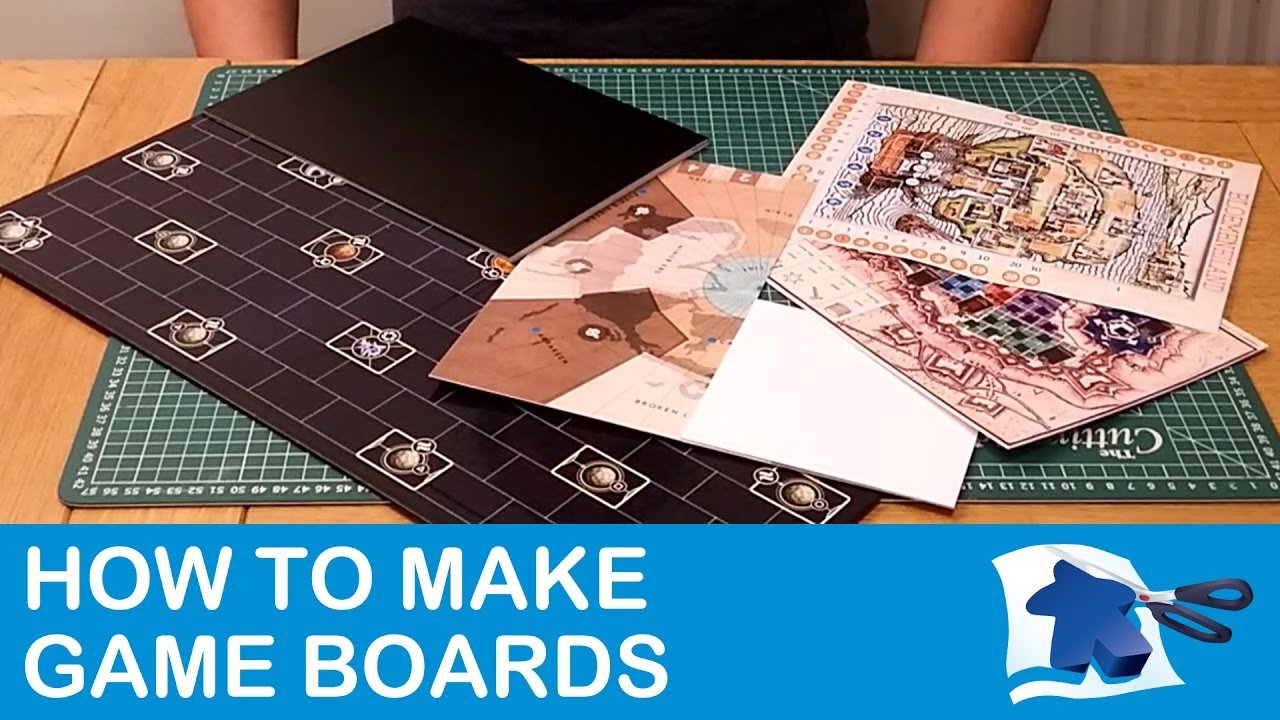
Board game boards are primarily made of cardboard, often layered and pressed for durability.
Ever wondered what gives your favorite tabletop games their sturdy playing surface? The question, “what are board game boards made of,” might cross your mind as you set up for game night. These seemingly simple components have some interesting construction.
Typically, manufacturers use cardboard. This material is cost-effective and relatively durable. Different thicknesses and layers create boards with varying strength and feel.

What Are Board Game Boards Made Of?
Ever wondered what goes into making that sturdy, colorful board game you love to play? It’s not just magic; it’s a clever combination of materials and processes! The board game board is the heart of any game, providing the playing surface for your adventures. Let’s dive into the fascinating world of board game board construction and see what secrets it holds.
The Core Material: Cardboard
The most common ingredient in a board game board is, surprisingly, cardboard. But not just any cardboard! We’re talking about a specific type, often called chipboard or greyboard. Think of the thick, sturdy material used for cereal boxes but much thicker. This type of cardboard provides the necessary stiffness and support for the playing surface. It’s like the foundation of a house, giving everything stability.
Why Cardboard is the Star
- Cost-Effective: Cardboard is relatively inexpensive to produce, making it a great choice for mass-produced games. This allows game companies to offer their games at reasonable prices.
- Versatile: Cardboard can be cut into various shapes and sizes, allowing for diverse board designs. From simple squares to complex, multi-faceted layouts, cardboard can handle it all.
- Printable: Cardboard’s smooth surface is perfect for printing colorful artwork, game instructions, and all those delightful illustrations we see on game boards.
- Relatively Durable: When combined with other materials, cardboard can be surprisingly durable and stand up to years of play, although it’s not indestructible, so avoid spilling drinks!
The thickness of the chipboard used in game boards can vary, depending on the game’s needs. A children’s game might use thinner board stock, while a complex strategy game might require a thicker, more substantial board. The thickness is typically measured in points, with each point equalling about 1/1000th of an inch. A board might be 80 point (0.080 inches) or even thicker, offering a very tough surface for play.
The Surface: Paper and Coating
Raw cardboard is not very visually appealing, and it would not hold up well to spills or wear and tear. Therefore, it needs a surface covering! This is where paper and coatings enter the picture. A layer of paper is glued to the cardboard. This paper is where all the artwork, colors and game graphics get printed. Let’s explore this process a bit more.
Printing on the Paper Layer
The printed paper layer is crucial for a board game’s look and feel. The paper is usually a thin, coated paper to allow for vibrant colors and crisp images. Think of the glossy paper in a magazine, but typically a bit thicker. Game designers spend a lot of time planning how things look on the board, it’s a big part of the fun. The ink used is specially chosen to be durable and long lasting.
The Protective Coating
Once the paper is printed with the game’s design, it’s time for a protective coating. This coating is essential to protect the surface from scratches, spills, and general wear and tear. Here are some common types of coatings:
- Varnish: A thin, clear coat of varnish is often applied to the paper layer. It enhances the colors, provides a slight shine, and offers basic protection against scratches.
- Lamination: A thin layer of plastic film is applied over the paper, providing excellent protection. Lamination makes the board more durable and easier to clean.
- UV Coating: This special type of coating protects the board from sun damage and fading and gives it a smooth finish. This is important for games that get a lot of light exposure.
The type of coating used often depends on the game itself and its intended audience. A game for young children might use a thicker lamination to withstand rough play and accidental spills, while a complex strategy game might benefit from a smooth UV coating for a premium feel.
Special Materials and Techniques
While cardboard is the most common base material, some games use other materials or techniques to create unique playing surfaces. Let’s explore some of these exciting additions.
Mounted Boards
Sometimes, instead of a single piece of cardboard, game boards are “mounted” onto a thicker, often greyboard. This gives the board an even sturdier feel and prevents warping, which can sometimes happen with very large single sheets of board. This method usually makes a premium feeling board that lays flat on the table when playing.
Puzzle Boards
Some board games feature a board that’s made up of interlocking pieces, like a puzzle. These puzzle boards allow you to create different layouts each game. This added variety can make a game feel fresh every time you play. These types of boards are usually made from die-cut cardboard with tabs and slots so you can assemble them together.
Cloth Boards
While less common, some games use a playing surface made of cloth. This is often seen in older games or travel versions of games. Cloth boards are lightweight, easy to store, and are great for portability. Think of a simple travel version of Checkers or Backgammon that you can roll up and take anywhere. The printing for these cloth boards uses special inks designed for textiles.
Plastic Boards
Plastic boards are often used for outdoor games or games that require a surface resistant to water damage. They can be molded into various shapes and are often very durable. They are also easy to wipe clean, making them a popular choice for games played by children. While they’re not as environmentally friendly as cardboard, they do provide a longer lasting, resistant board. Think of an outdoor version of Connect Four.
Wooden Boards
While more expensive to make, some games come with beautiful wooden boards. These can range from solid wooden game boards to boards made from engineered wood, like plywood. Often these boards are made for luxury editions of board games. They provide a unique feel and a classic look. Sometimes, the wooden board incorporates other materials like inlays or laser-etched designs.
The Manufacturing Process: From Idea to Tabletop
Let’s peek behind the curtain to see how a board game board goes from an idea to a real product we can play with. Here is a general step-by-step look at the manufacturing process.
Design and Planning
Everything starts with a great idea. Game designers work on layouts, colors, and decide what materials would work best for the game. The design stage is critical, as it sets the stage for everything else. This includes getting artwork and graphics ready for print.
Printing
The game board artwork is then printed on a sheet of paper, using large offset printing machines. This ensures the paper has the bright colors and crisp designs needed for the game.
Laminating
If the design requires it, the printed sheet goes through a lamination machine. This adds a protective layer of plastic film, making the surface more resistant to wear and tear.
Mounting
The printed and laminated paper is then glued onto the thick cardboard backing. This process often uses pressure and heat to ensure a strong bond.
Die-Cutting
The game board is cut into its final shape using a die-cutting machine. This machine uses a sharp metal die to cut through the board, like a cookie cutter, creating the finished shape.
Quality Check
Each board is inspected for any flaws, color issues, or any damages. This step ensures that every board game is of high quality before packaging and shipping.
Packaging and Distribution
The final product is then packed with other game components into its box. The finished game goes to distribution centers, from there it goes to retailers and eventually to your game table.
Environmental Considerations
In today’s world, it’s important to think about the environmental impact of the materials we use. Board game manufacturers are increasingly looking for more sustainable options. Here are some steps they are taking:
Recycled Cardboard
Many companies are now using recycled cardboard for their game boards. This reduces the demand for new resources and minimizes the waste of materials.
Soy-Based Inks
Traditional inks used in printing can contain harmful chemicals. Companies are switching to soy-based inks, which are more environmentally friendly and biodegradable.
Water-Based Coatings
Instead of coatings that contain solvents, manufacturers are using water-based coatings that are better for the environment and human health.
Responsible Sourcing
Companies are making an effort to source materials from responsibly managed forests, ensuring a sustainable supply of paper and board.
Reducing Packaging
Board game companies are also working to reduce packaging materials, avoiding unnecessary layers of plastic or paper, and opting for more sustainable solutions.
The Future of Board Game Materials
The world of board game materials is always evolving, with new innovations and experiments taking place. Here are some ideas of what the future of board game materials might look like:
Biodegradable Plastics
Researchers are developing new plastics from plant based sources that can biodegrade, which would make these materials more friendly to our planet. This would potentially make plastic board components more sustainable.
Eco-Friendly Coatings
We will probably see coatings that are easier to recycle and made from more eco-friendly sources. This would make a board game’s complete construction much easier to manage at the end of it’s lifespan.
3D Printing
While currently expensive for mass production, 3D printing could be used for making unique components, like custom game boards or intricate miniatures. This might not become the mainstream way to produce board games but might be for specialty or limited edition games.
Interactive Boards
Some board games are exploring digital elements that interact with the board, this would require materials that can support this tech. We might see boards that use screens or are sensitive to touch.
So, the next time you unfold your favorite game board, you’ll know all the work that went into it. From the cardboard core to the glossy protective finish, the materials used in board game boards are an important part of how we all experience them. There is a science to making an excellent playing surface!
Understanding the process behind creating board game boards is fascinating, and adds a new layer of appreciation to our gaming hobby. Each board is made with a specific material selection for its purpose, whether that’s for children, or adults, or just a simple family night at home.
How board games are made!
Final Thoughts
Typically, manufacturers construct board game boards from cardboard or paperboard. These materials are cost-effective and readily available. They also provide a suitable surface for printing artwork.
Sometimes, game designers choose wood for a more premium feel, although this is less common. Wood boards often appear in deluxe editions of games. Finally, plastic serves as an option for specific games that might need increased durability.
Ultimately, what are board game boards made of depends on factors like cost, desired durability, and the game’s overall aesthetic. Cardboard remains the most prevalent material due to its practical advantages.

