
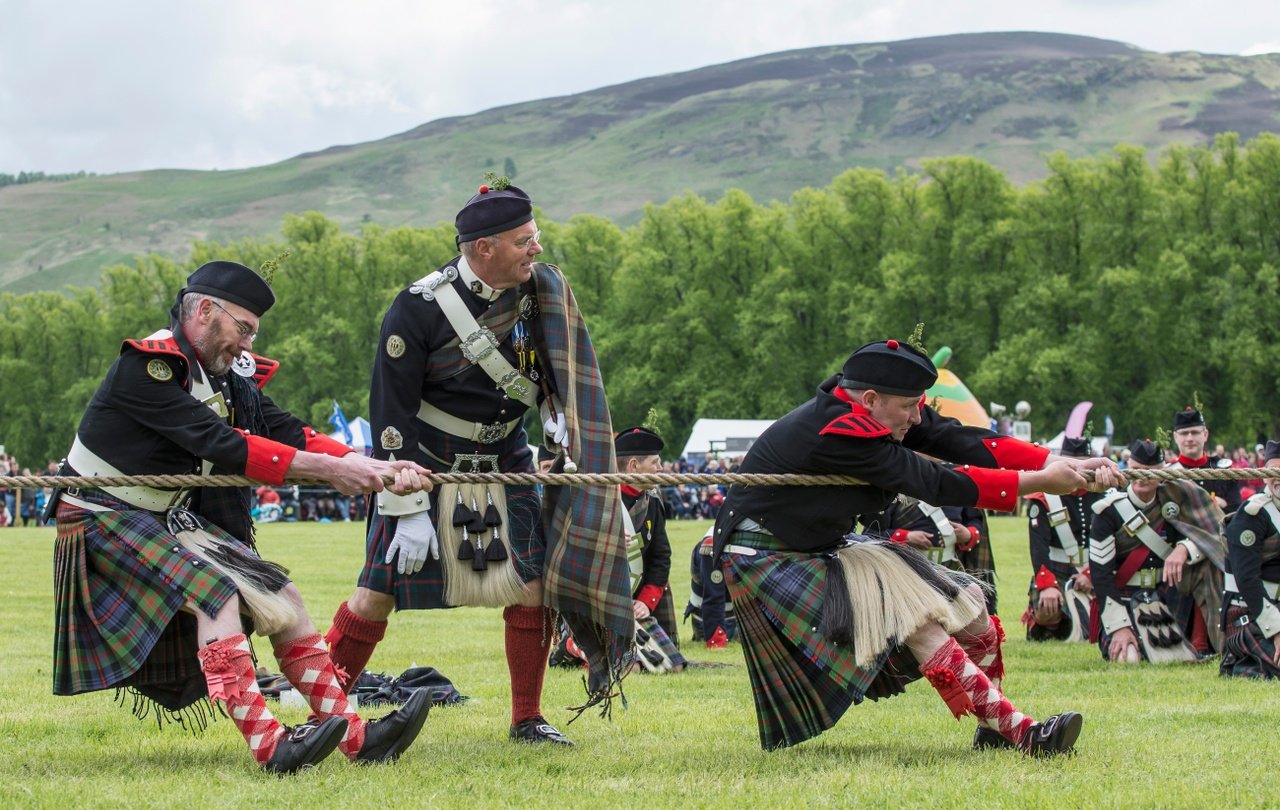
Highland Games are traditional Scottish athletic competitions featuring events like caber tossing, hammer throwing, and tug-of-war.
Have you ever wondered about the origins of men in kilts throwing large objects? You’re likely thinking about what are highland games. They’re far more than just displays of strength; they’re a celebration of Scottish culture and heritage.
These gatherings involve a unique blend of athletic events, music, and dance. Imagine watching athletes compete in feats of strength passed down through generations. It is an experience unlike any other.

What Are Highland Games?
Ever seen a picture of someone throwing a giant tree trunk, or a group of people in kilts tossing heavy stones? That’s likely a glimpse of the Highland Games! These aren’t your average sports competitions. They’re a celebration of Scottish and Celtic culture, packed with strength, skill, and lots of fun. Think of them like a super exciting outdoor festival where people show off amazing feats of athleticism, all while honoring traditions that go back hundreds of years. They’re a living history lesson mixed with a really good workout! Let’s dive into what makes these games so special.
A Journey Through Time: The History of Highland Games
The Highland Games didn’t just appear overnight. Their roots go deep into the past, intertwining with the history of Scotland and its people. Originally, these gatherings weren’t just about showing off muscles. They were essential community events.
Ancient Beginnings
Imagine life hundreds of years ago in the Scottish Highlands. People lived in small villages, often separated by mountains and valleys. These gatherings were a way for clans (groups of families) to come together. The games were a crucial part of these meetings. They weren’t just for fun; they were a way to test and display the strength and skills of warriors. Think of it as a tryout for the best fighters and leaders.
The Gathering of Clans
These events also had a practical purpose. They allowed leaders to see who the strongest and most skilled men were, helping them choose their best warriors. These warriors would be ready to protect their families and their lands. The games included competitions that were similar to actual skills needed for battles, such as running, wrestling, and using spears. It was like the Scottish version of a superhero training camp.
Evolution Over Time
Over the centuries, the games evolved. While they retained their competitive edge, they became more of a celebration of Scottish culture. Music, dancing, and storytelling became significant parts of the Highland Games, alongside the athletic competitions. The tradition made its way across the world as Scottish people migrated, and now we see Highland Games events taking place in many different countries, keeping the spirit alive.
The Heavy Events: Power and Precision
The heavy events are the heart of the Highland Games. They are demonstrations of raw power and incredible technique. Let’s look at some of the most iconic heavy events:
The Caber Toss
This is probably the most famous Highland Games event. A caber is a large, tapered pole, usually made from a tree trunk. The goal isn’t to throw the caber the farthest, but to flip it end over end so it lands straight at 12 o’clock relative to the person tossing it. It’s a test of balance and strength, not just brute power. It’s like trying to flip a giant pencil perfectly straight and is a great example of how important technique is in the Highland Games.
Hammer Throw
You might have seen hammer throwing in the Olympics, but the Highland version has a twist! Instead of spinning in a circle, athletes swing a heavy hammer while their feet are fixed in place. This makes it more about using upper body strength and precise movement than being a super fast spinner. Imagine holding a really heavy weight with a metal rod attached to it, and then throwing that as far as you can. It requires tremendous power and balance.
Stone Put
Think of it as a shot put, but instead of a metal ball, athletes throw a heavy stone. There are different types of stones and different styles of throwing but the main goal is to push or throw this large stone as far as you can using a throwing style that follows the rules of the event. It is about using both strength and technique to get that stone to fly! Stones vary in size and weight depending on the local preferences of the games and sometimes the stones are picked from a nearby river bed.
Weight for Distance
In this event, athletes throw a metal weight with a chain attached. Like the stone put the goal is distance, but the added chain makes it more complex than just throwing a heavy weight. They must have both the power and control to get a good toss. This event really shows how much precision is involved in throwing heavy objects.
Weight over Bar
This event requires athletes to throw a weight over a high bar using only one hand. The height of the bar increases as the competition progresses. It tests both strength and accuracy, as athletes need to time the throw and make it over the bar. Think of it as trying to throw a heavy weight over a fence that keeps getting taller.
The Athletic Events: Agility and Endurance
Besides the raw power events, there are also athletic competitions at the Highland Games that test different kinds of physical abilities.
Running Races
You will see races, but they’re not always the kind you might be thinking about. Sometimes they are sprints on grass fields, other times they are uphill races with challenging terrain. They might even be running up a hill then back down again, it tests speed and the ability to handle different kinds of ground.
Highland Dancing
Highland dancing is not just about dancing; it’s about athleticism, grace, and story telling. It includes different dances such as the Highland Fling, the Sword Dance, and the Seann Triubhas. These dances can be quite energetic and athletic, showcasing control, strength and incredible footwork. They show off the traditions of Scotland and are a treat to watch.
Wrestling
Wrestling is part of the Highland Games tradition, with styles unique to Scotland. These can involve holding or gripping techniques and competitors aim to get their opponent to the ground. It’s a direct and powerful way to see strength and skill going head to head.
Beyond the Athletics: The Cultural Side of the Games
The Highland Games are not just about the sports. They are a celebration of Scottish and Celtic culture, and this is shown in many ways.
The Music of the Games
Bagpipes are almost as synonymous with Scotland as kilts are! You will see and hear them a lot at Highland Games. There are also pipe band competitions with musicians dressed in tartans. The sound of the bagpipes and the traditional music adds a fantastic atmosphere to the event.
The Kilts and Tartans
Kilts are the traditional dress of the Scottish Highlands, and they are a common sight at the games. Each family has their own tartan patterns. These patterns appear on their kilts, blankets, and many other items. The games are a great place to see a huge variety of tartans, and they are also a great way to learn about the different families and the Scottish heritage.
Food and Festivities
No celebration is complete without food. You can expect to find traditional Scottish foods at the Highland Games, like haggis, shortbread, and maybe even a taste of scotch. It is an opportunity to enjoy a variety of local culinary offerings with friends and family.
Where Can You See Highland Games?
Highland Games are not limited to Scotland anymore. Here’s a breakdown of where they can be found:
Scotland
Of course, Scotland is the heart of the Highland Games. You’ll find many events, large and small, during the summer months. Towns all over the country hold their own unique Highland Games, some more well known than others. Attending games in Scotland is a special experience, letting you see the tradition in its true homeland.
Other Countries
Scottish people have traveled all over the world, bringing their traditions with them. You’ll see Highland Games in many other countries, including:
- United States: Especially in areas with strong Scottish heritage.
- Canada: With lots of locations, especially in provinces such as Nova Scotia and Ontario.
- Australia and New Zealand: Where many Scottish immigrants made their new homes.
- Even some parts of Europe: In locations with an affinity for Celtic traditions.
It’s amazing how a tradition from a small area of the world has now been shared and celebrated around the globe. You might even find a Highland Games event closer to you than you thought!
Why Are Highland Games Still Important?
The Highland Games are more than just a fun event; they are a crucial part of Scottish and Celtic heritage. They:
- Keep traditions alive: They keep the old skills and ways alive for new generations.
- Connect communities: They bring people together in a celebration of shared heritage.
- Promote cultural pride: They give people a reason to feel proud of their roots.
- Show athleticism and skill: They are a unique way to demonstrate athletic prowess in non traditional ways.
- Offer a fun experience: They provide a fun and fascinating day out for the whole family.
The Highland Games are a wonderful mix of history, tradition, and athletic ability. Whether you’re watching someone toss a giant tree trunk, listening to the bagpipes, or sampling some traditional Scottish food, attending the Highland Games is an experience you will not soon forget.
These games truly are a unique cultural expression. They offer a glimpse into the past, while still being exciting and relevant today. If you ever have a chance to attend a Highland Games, be sure to do so! You’ll witness something truly special and learn more about Scotland and it’s culture.
Scottish Highland Games: Explained
Final Thoughts
Highland games are traditional Scottish athletic competitions. They feature events like caber tossing, hammer throwing, and stone put. These games also include cultural aspects like bagpipe music and highland dancing.
These gatherings showcase impressive feats of strength and skill. They celebrate Scottish heritage. So, what are highland games? They are more than just sports; they are a vibrant cultural experience.

