
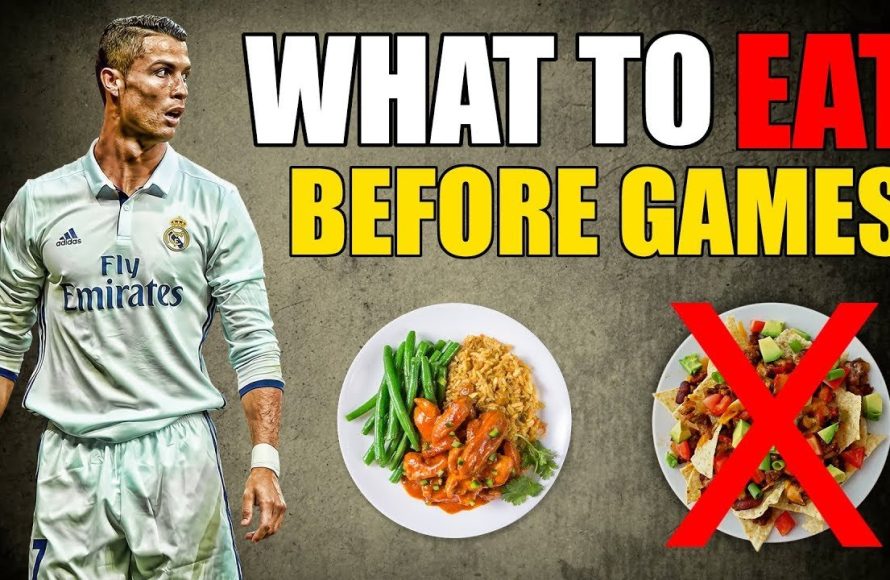
Footballers typically eat a high-carbohydrate meal, such as pasta or rice, with lean protein like chicken or fish, several hours before a game.
Ever wondered what fuels the incredible athleticism you see on the pitch? It’s a common curiosity, what do footballers eat before a game? The answer isn’t always about fancy supplements. It often boils down to strategic food choices, timing, and an understanding of what the body requires.
Preparing for a match requires careful nutritional planning. Players need energy that will last throughout the game. They can’t risk feeling sluggish or depleted before the whistle blows. This means the pre-match meal must be both satisfying and performance-enhancing.

What Do Footballers Eat Before a Game?
Getting ready for a big football match is about more than just practicing. It’s also about fueling your body the right way. Just like a car needs the correct fuel to run well, footballers need specific foods to perform their best. What a footballer eats before a game can make a big difference in their energy, strength, and even how well they think on the field. So, let’s dive into the world of pre-game meals and snacks and find out what keeps these athletes going strong!
The Importance of Pre-Game Nutrition
Think of pre-game food as the foundation for a footballer’s performance. Eating the right things provides the energy players need to sprint, jump, and think clearly throughout the entire match. It’s like building a house; you need a strong base to make everything else work. This meal should fuel the muscles, help the brain stay sharp, and prevent any tummy troubles during the game. If a footballer eats the wrong things before the game, they might feel sluggish, tired, or even get a stomach ache. That’s why understanding what to eat, and when, is super important.
Carbohydrates: The Main Energy Source
When we talk about what footballers eat before a game, carbohydrates are usually the star of the show. They are the body’s main source of energy, like gasoline for a car. Carbohydrates get turned into glucose, which the muscles use to move and work hard. But not all carbs are the same. It’s important to choose the right kind.
Complex Carbohydrates vs. Simple Carbohydrates
There are two main kinds of carbohydrates: complex and simple.
- Complex carbohydrates are like slow-release fuel. They give you energy over a longer period of time. Think of them as a long-lasting battery. Examples include:
- Whole-wheat bread
- Brown rice
- Pasta
- Oats
- Sweet potatoes
- Simple carbohydrates are quick bursts of energy, like a short-lived spark. They are great for a quick boost but don’t keep you going for long. It’s better to eat these closer to the game, or if you need to quickly refuel during half-time. Examples are:
- White bread
- White rice
- Sugary drinks
- Candy
For a pre-game meal, footballers will usually focus on complex carbohydrates to get sustained energy. Simple carbohydrates might be used closer to kickoff or during half-time, for a rapid energy top-up, if needed.
Proteins: Building and Repairing Muscles
Protein is another key part of a footballer’s pre-game meal. While it’s not the main energy source like carbohydrates, it is vital for building and repairing muscles. It helps the body recover faster after intense exercise. A moderate amount of protein is necessary before a match to make sure the muscles have what they need to perform. Protein can also help you feel full and satisfied, preventing cravings for unhealthy snacks.
Good Sources of Protein for Footballers
There are many sources of protein that are good for footballers. These include:
- Lean meats like chicken and turkey
- Fish, such as salmon or tuna
- Eggs
- Beans and lentils
- Tofu
- Low-fat dairy products like yogurt or milk
It’s best to choose lean protein sources and prepare them in healthy ways, such as baking, grilling, or steaming, rather than frying.
Fats: The Secondary Fuel Source
Fats are important for overall health and they help the body absorb certain vitamins. They also act as a secondary fuel source, especially during longer periods of exercise. But not all fats are good for you. Footballers need to focus on healthy fats in their diet.
Types of Healthy Fats
Healthy fats include:
- Avocados
- Nuts and seeds
- Olive oil
- Fatty fish like salmon
These healthy fats provide important nutrients and contribute to good overall health. However, footballers will usually aim to keep fat intake relatively low before a game, as too much fat can make them feel heavy or sluggish.
Vitamins and Minerals: The Essential Helpers
Vitamins and minerals might be small, but they are incredibly powerful when it comes to a footballer’s performance. They help keep the body running smoothly and support various functions, including energy production, muscle function, and immune health. A colorful plate with a variety of fruits and vegetables will provide most of the necessary vitamins and minerals.
Key Vitamins and Minerals for Footballers
Some important vitamins and minerals that footballers need include:
- Iron: Helps carry oxygen to muscles. Found in foods like spinach, beans, and red meat.
- Calcium: Keeps bones strong. Found in dairy products, leafy greens, and fortified foods.
- Vitamin D: Important for bone health and immune function. Found in sunlight, fortified foods, and fatty fish.
- Potassium: Helps with muscle function. Found in foods like bananas, sweet potatoes, and avocados.
- Magnesium: Important for muscle and nerve function. Found in nuts, seeds, and leafy greens.
- B Vitamins: Essential for energy production. Found in whole grains, eggs, and meats.
Hydration: Don’t Forget the Fluids
Staying hydrated is just as important as eating the right foods. Even slight dehydration can impact performance, making you feel tired and less focused. Footballers need to drink plenty of fluids before, during, and after a match.
Best Fluids for Footballers
The best fluids for footballers include:
- Water: The best choice for hydration.
- Sports drinks: Can help replace electrolytes lost through sweat, but should be used sparingly, if you need them for longer matches.
- Fruit juices: Can provide some quick energy and vitamins, but should be consumed in moderation.
It is important to avoid sugary drinks like soda, which can dehydrate you and cause energy crashes.
Timing is Everything: When to Eat
The timing of your pre-game meal is just as important as what you eat. Footballers need to give their bodies enough time to digest the food before they start playing. Eating too close to the game can cause stomach cramps or make you feel sluggish. On the other hand, if you eat too far away from the game, you might feel hungry or have low energy by the time you start playing.
Ideal Pre-Game Meal Timing
Here’s a general guideline for pre-game meal timing:
- 3-4 Hours Before the Game: This is a good time for a larger meal, focusing on complex carbohydrates, moderate protein, and healthy fats. Examples: Chicken breast with brown rice and steamed vegetables, or whole wheat pasta with a lean meat sauce.
- 1-2 Hours Before the Game: Opt for a lighter meal, with easily digestible carbohydrates and a little bit of protein. Examples: Toast with honey, or a banana with some peanut butter.
- 30-60 Minutes Before the Game: A small, carbohydrate-rich snack for a final energy boost, if needed. Example: A piece of fruit or a handful of pretzels.
It’s important to find what works best for you, and some people might need to adjust these timings based on their own body’s preferences.
Sample Pre-Game Meal Ideas
Here are a few sample pre-game meals that footballers might eat:
The Three-Four Hours Before Match Feast
This is the main meal before a game, designed to fuel athletes with a mix of complex carbs, protein, and some healthy fats. It gives you the base to go on and perform well.
- Grilled Chicken with Brown Rice and Steamed Vegetables: This is a balanced meal with lean protein for muscle repair, complex carbs for long-lasting energy, and plenty of vitamins and minerals. A good, well rounded, choice.
- Pasta with Lean Meat Sauce and a Side Salad: Another classic choice. The pasta provides carbohydrates, the meat sauce offers protein, and the salad is full of vitamins. Choose whole-wheat pasta for a slow release of energy.
- Sweet Potato and Lentil Curry with Brown Rice: For a vegetarian option, this meal provides complex carbohydrates, protein from lentils, and healthy fats and fiber. It’s also packed with flavor, making it a good, and tasty, choice.
- Omelet with Whole Wheat Toast and Avocado: This provides protein from the eggs, carbs from the whole-wheat toast, and healthy fats from the avocado. It is also easily digestable and quite quick to cook.
The One-Two Hours Before Match Light Bites
This meal is designed to top up your energy stores without weighing you down. It is less heavy, and smaller in size, than your main meal.
- Toast with Honey and a Banana: A simple choice that provides easily digestible carbohydrates for a quick energy boost. You’ll find energy to be released steadily from the banana.
- Oatmeal with Fruit and Nuts: The oats will give you a slow release of energy, while the fruit and nuts offer extra nutrients and a bit of protein.
- A Small Bowl of Cereal with Milk: Choose a whole grain cereal to make sure you are getting complex carbohydrates. Pair it with low-fat milk for extra protein.
- Yogurt with a Sprinkle of Granola: This will give you a good mix of carbohydrates and protein. The granola also provides a little extra crunch.
The 30-60 Minutes Before Match Snack
This snack is intended as a final fuel before kick-off, if you need one. These are easy to digest and help to top up the energy reserves.
- A piece of Fruit (banana, apple, or orange): This is an easily digestible option and provides natural sugars for a quick burst of energy.
- A handful of Pretzels or Crackers: These provide carbohydrates and are easy to eat and quickly digest.
- A small Energy Bar: Opt for an energy bar that is low in fiber and high in carbohydrates for a fast energy release.
- A small cup of Sports Drink: This can help replace electrolytes if it is a very hot day and you’ve been sweating heavily. Use only in moderation, it’s not always needed.
Individual Needs and Preferences
It’s important to remember that what works for one footballer might not work for another. Every person is different, and things like body type, the position you play, and even personal preferences can influence what you should eat before a game. Some people might prefer a larger meal, while others do better with smaller, more frequent meals. It’s also important to think about any food sensitivities or allergies when planning a pre-game meal.
Trial and Error
The best way to find out what works best for you is to experiment. Try different foods and timings during training sessions to see how your body reacts. Keep track of how you feel and how well you perform after different meals. You’ll quickly start to figure out what foods help you feel your best on the pitch. It is best to do this well away from the actual match, so that you do not underperform due to changes in your diet and timing.
Avoiding Common Pre-Game Mistakes
There are some common mistakes that footballers should avoid when it comes to pre-game nutrition. These include:
- Eating too much or too little: Eating too much can make you feel sluggish and uncomfortable, while eating too little might leave you with no energy.
- Eating too close to game time: This can cause stomach cramps and make it difficult to perform.
- Eating unhealthy foods: Foods that are high in fat or sugar can cause energy crashes and make you feel tired.
- Not hydrating: Dehydration can severely impact performance. Make sure you’re drinking plenty of water or other hydrating fluids.
- Trying new foods on game day: It’s best to stick to foods that you’re familiar with on game day to avoid any stomach issues.
Working with a Nutritionist
If you’re serious about your football performance, it might be worth considering working with a sports nutritionist. A nutritionist can help you create a personalized meal plan that suits your individual needs and goals. They can provide guidance on what to eat, when to eat, and how to optimize your nutrition for peak performance. They can also help you navigate food allergies, intolerances, and other dietary concerns.
In conclusion, what footballers eat before a game plays a big role in how well they perform. It’s all about balance and timing, making sure that they’re fueled with the right nutrients to play their best. It is crucial to focus on carbohydrates for energy, protein for muscle building, healthy fats, vitamins and minerals, and keeping well hydrated. With careful planning and a little experimentation, you can find the right pre-game meal to help you achieve your football goals and play at your full potential.
8 Best Foods for Footballers #shorts
Final Thoughts
Fueling for peak performance is crucial. Footballers primarily consume carbohydrates for energy. These meals often include pasta, rice or bread, providing easily accessible fuel.
Protein is also important, aiding muscle repair. They might have chicken, fish or lean meats. Hydration is a must, with water or sports drinks.
Ultimately, what do footballers eat before a game centers around a balanced, carb-heavy, and easily digestible meal, with sufficient protein and plenty of fluids.

