
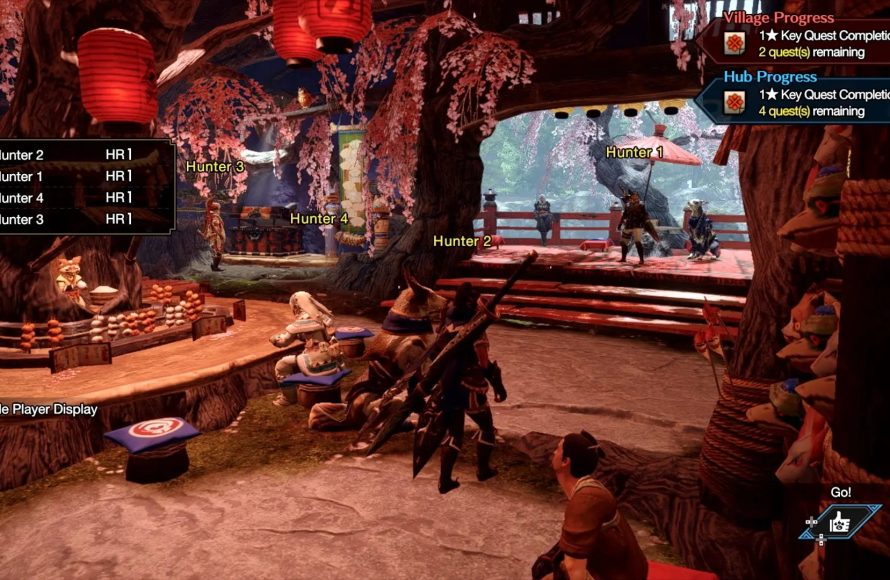
PvE in games means Player versus Environment; it’s gameplay where players fight computer-controlled enemies or challenges.
Ever wondered about the cryptic acronyms in gaming? You’ve probably stumbled upon PvE and asked, what does pve mean in games? It’s a common term, and it represents a fundamental style of gameplay.
This mode pits you and perhaps your friends, against the game itself. You’ll face AI-controlled monsters, traps, or puzzles instead of other human players. It is a very popular choice in lots of games.

What Does PvE Mean in Games?
Okay, so you’re hearing the term “PvE” thrown around in gaming circles, and you’re scratching your head. Don’t worry, it’s super simple once you understand the basics! PvE stands for Player versus Environment. In plain English, this means you, the player, are battling against elements of the game world that are controlled by the computer, not another human. Think of it like playing tag with a robot, or fighting a dragon that’s programmed to breathe fire at certain times. It’s all about you and the game’s artificial intelligence (AI) working together… well, mostly against each other.
Understanding the Core Concept of PvE
At its heart, PvE gameplay involves overcoming challenges set by the game itself. These challenges can take many forms, which we’ll explore in more detail later. The important thing is that the enemies, obstacles, and puzzles are all pre-programmed by the game developers. There’s no unpredictable human opponent to worry about. This makes PvE a great choice for players who prefer a more predictable and less confrontational gaming experience. It’s also a fantastic way to learn the ropes of a game before jumping into more competitive player-versus-player (PvP) modes.
Imagine you’re playing a game where you need to collect a bunch of shiny coins. The coins might be guarded by silly monsters who patrol specific areas. These monsters are part of the PvE experience. They’re programmed to move in certain ways, attack in specific patterns, and get defeated in a specific fashion. They don’t strategize or change their tactics based on what you do like another player might. Their behavior is dictated by the game’s programming. You are the player, and they are the environment.
Different Types of PvE Challenges
PvE isn’t just one thing; it covers a vast array of game styles and challenges. Let’s delve into some common types:
Story-Driven Campaigns
Many games feature a core storyline where you progress through different levels or areas, battling enemies and completing objectives. Think of games where you follow a hero’s journey, fighting monsters, solving puzzles and talking with NPCs (Non-player characters). This type of PvE focuses on a narrative experience, leading the player through the game’s world and lore. Games like “The Legend of Zelda,” “Final Fantasy,” or “The Witcher” series are excellent examples of story-driven PvE experiences. These games often have boss battles that you encounter at the end of a level, or a challenging sequence. These encounters are a classic element of PvE gameplay.
Dungeons and Raids
Dungeons and raids are usually found in massively multiplayer online role-playing games (MMORPGs). These are typically larger and more complex encounters than those you find in story-driven campaigns. Dungeons generally cater to smaller groups of players, and sometimes even solo players. Raids, on the other hand, are built for large groups of players, often requiring coordinated strategies to overcome difficult challenges. These often feature tough boss battles that test your skill and teamwork. In these areas, players work together to defeat waves of enemies, solve puzzles, and defeat powerful bosses at the end, all of it against AI controlled characters and the environment.
- Dungeons: Shorter, often repeatable, challenges for smaller groups (or solo).
- Raids: Longer, complex challenges designed for larger groups.
Survival Modes
In a survival game, the PvE challenge is all about surviving against the odds. You might need to gather resources, build shelters, craft weapons and fend off waves of enemies or deal with environmental hazards. Games like “Minecraft,” “Terraria,” or “Don’t Starve” are great examples of this. The “environment” is not just enemies here; it’s also the elements, such as hunger, thirst, weather, or the passage of time. You struggle against these elements, which are part of the game itself. In many survival modes the challenge is a combination of environmental threats like disease and monsters, and the need to keep your character nourished and hydrated.
Exploration and Puzzle Solving
Sometimes, PvE isn’t about combat at all! Some games focus on exploration, where you uncover the world’s secrets, or solve intricate puzzles. Think of games like “Portal,” “The Witness,” or many “escape room” style games. The challenge lies in understanding the game mechanics, figuring out how things work, and using that knowledge to progress. You’re still facing challenges set by the game developers, but they test your brainpower more than your combat skills.
Here’s a table summarizing different types of PvE:
| Type of PvE | Description | Examples |
|---|---|---|
| Story-Driven Campaigns | Follow a narrative, battle enemies, and complete objectives. | The Legend of Zelda, Final Fantasy, The Witcher |
| Dungeons and Raids | Challenging group content with waves of enemies, puzzles, and boss battles. | World of Warcraft, Destiny 2, Final Fantasy XIV |
| Survival Modes | Survive against the elements and enemy waves, gather resources and craft. | Minecraft, Terraria, Don’t Starve |
| Exploration and Puzzle Solving | Solve puzzles and explore the world’s secrets. | Portal, The Witness, Escape Room Games |
Why Do People Enjoy PvE?
There are many reasons why gamers love playing PvE, and these can be unique to each type of PvE experience. Here’s a look at a few:
Relaxing and Less Stressful
Unlike PvP, where you’re competing against other players, PvE provides a more relaxed gaming atmosphere. You don’t have to worry about getting humiliated by a more skilled opponent. It’s a chance to unwind, enjoy the game’s world, and progress at your own pace. For players who like a calmer, less competitive experience PvE is often the go to mode.
Learning the Game Mechanics
PvE is an excellent way for newcomers to learn the basic controls and gameplay mechanics before trying PvP. The AI controlled characters are often easier to defeat than a human opponent and offer you the opportunity to learn, try new skills, and make mistakes without the frustration of being beaten by another player. You can try out different skills and strategies against the AI without the added pressure of competition. This makes PvE a very friendly way for players to learn the game and get ready to play at a higher level.
Story and Lore Immersion
Story-driven PvE campaigns provide a deep dive into the game’s narrative. You can get lost in the characters, the world, and the lore as you progress through the story. This can be a much more engaging and rewarding experience for players who enjoy a good story and want to feel immersed in the game. PvE allows the player to explore the narrative and the world of the game at their own speed. This experience is one of the key differences between a PvE and PvP experience.
Progression and Character Development
In many PvE games, you work to improve your character and their abilities over time by gaining experience, leveling up, and collecting items. You get the sense that you are making your character stronger and better at the game. This feeling of progress and character development is a very compelling part of the PvE experience for many gamers, and it offers a sense of accomplishment. Whether it’s earning a new piece of gear or leveling up a skill, this feeling of progression keeps many people coming back to PvE experiences.
Cooperative Gameplay
Although you are battling against the environment, many PvE experiences are very social. Dungeons and Raids are great for players who want to play cooperatively with other players in teams. It’s satisfying to work together with your friends to overcome difficult obstacles. These shared experiences can create really memorable gaming moments. You get the enjoyment of playing with others, but without the competitive stress that you can find in PvP games.
How PvE Differs From PvP
Now that we know what PvE is, let’s talk about the key differences between it and player versus player (PvP):
Predictability vs. Unpredictability
The biggest difference lies in the predictability of your opponents. In PvE, the AI is programmed to behave in a certain way. You can learn their patterns and adjust your strategy accordingly. This predictability can be comforting and allows players to feel they have an advantage as they learn how to defeat the AI. In PvP however, you never know what your opponent will do, and this level of unpredictability is part of the fun for many players.
Competition vs. Cooperation
PvP is inherently competitive; the goal is to beat another player, while PvE is more about cooperation (with other players or with the game itself). Even when playing solo, a PvE game can have a cooperative feel as you work alongside NPCs. PvP often has a much more competitive feeling as you are fighting against other players to be victorious. These two are very different motivations and are a huge factor in how the player will engage with the game.
Lower Stress vs. Higher Stakes
PvE is usually more relaxing because you’re not under the same kind of pressure that you would be in PvP. There’s no risk of losing to another player and that can be a very relaxing experience. In PvP, there’s often more pressure and higher stakes, with the potential for losing ranks or in-game rewards. This kind of stress can be a fun challenge for some, but it can be too much for others who prefer the lower stress of PvE.
Focus on Story vs. Focus on Skill
While both modes often require skill, PvE often emphasizes the story and lore. This is often because PvE contains much more of the narrative elements of a game than the PvP mode. In PvP games the focus is often on skill and strategy as you must defeat a human opponent. So many of the different goals and desires that players look for are what differentiates PvP and PvE experiences.
Here’s a quick comparison table to illustrate the key differences:
| Feature | PvE (Player vs. Environment) | PvP (Player vs. Player) |
|---|---|---|
| Opponent | Computer-controlled AI | Other human players |
| Predictability | Predictable patterns | Unpredictable actions |
| Focus | Story, exploration, cooperation | Competition, skill, strategy |
| Stress Level | Lower, relaxed | Higher, competitive |
PvE in Various Game Genres
PvE is a major part of various game genres and each offers it’s own version of the experience. It’s really important to know that while it is part of different game genres, PvE can be very different depending on the kind of game it’s part of.
MMORPGs (Massively Multiplayer Online Role-Playing Games)
PvE forms the backbone of many MMORPGs. You’ll often encounter a mix of story-driven quests, dungeons, raids, and open-world exploration, all involving battles against AI enemies. Games such as “World of Warcraft,” “Final Fantasy XIV,” and “The Elder Scrolls Online” offer a ton of PvE content that can keep players occupied for countless hours. Often the PvE experience is designed to have players explore the world, level up their character and gain access to new content through the story and level progression. This often forms the foundation of the gameplay experience.
Action RPGs
Action RPGs (like “Diablo,” “Path of Exile,” and “Grim Dawn”) typically focus on fast-paced combat against hordes of monsters. PvE in these games is often about building powerful characters, collecting gear, and overcoming challenging boss battles. You get to test your character builds and skills against large numbers of AI controlled enemies. The progression system in these games is designed around overcoming the challenges that the PvE gameplay presents.
Shooter Games
Many shooter games include PvE modes where players team up to fight against waves of AI enemies. Games like “Left 4 Dead,” “Destiny 2,” and “Borderlands” feature cooperative PvE modes where players work together to survive. These modes add a different gameplay experience to the standard PvP modes. This often includes different objectives that force the player to adopt different strategies than they would normally use.
Strategy Games
Strategy games often have PvE campaigns where you face off against computer-controlled opponents. In games like “Civilization,” “Age of Empires,” or “Starcraft,” you must outmaneuver AI opponents using resources, military might, and strategy. The AI is designed to challenge the player in a variety of ways, forcing the player to adapt and use creative strategies to defeat the opponent. Often the player has to manage their economy, military, research, and more to be able to defeat the AI.
Platformers
Platformers often have challenging PvE experiences where players jump, climb, and dodge obstacles and enemies. Games like “Super Mario,” “Celeste,” and “Hollow Knight” offer a mix of puzzle solving, and combat against the AI. Here the level design often plays a key part in the gameplay experience and requires player skill, and memorization to defeat the environment and the enemies in each level.
As you can see, no matter what game genre you prefer there is a good chance it has a fun PvE mode!
In conclusion, PvE, or Player versus Environment, is a cornerstone of the gaming world, providing a vast array of experiences for players of all kinds. Whether you are playing through a story campaign, exploring a huge open world, or fighting in a dungeon with friends, PvE is often at the core of the most enjoyable games. It is a great way to learn a game, explore a story, and work with friends to defeat a challenge. From the calm enjoyment of building a virtual world, to facing challenging boss battles, the PvE experience is a key element for many of us as gamers. Now that you know what PvE is and the different forms it takes, we encourage you to check out some of your favorite games and try some of their PvE modes. You might find a new favorite way to play!
PvE – What is PvE in Gaming
Final Thoughts
Essentially, PvE stands for Player versus Environment. It indicates game modes where players battle computer-controlled opponents. This contrasts with PvP (Player versus Player).
PvE often involves completing quests, exploring areas, and defeating AI enemies. Such experiences can include fighting bosses or completing dungeons with friends.
So, what does pve mean in games? It means players cooperate to overcome challenges the game itself presents. The gameplay is focused on this cooperative aspect against the designed world.

