
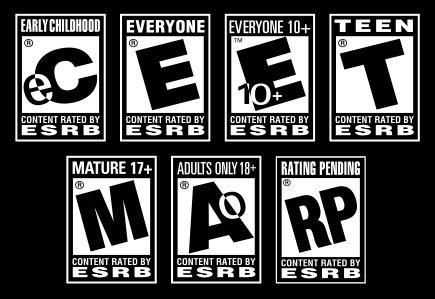
In the context of gaming, ‘rp’ generally means roleplaying, where players embody characters and act out their roles within the game’s setting.
Ever wondered what those mysterious “rp” messages mean in your favorite online game? It’s a term thrown around often, but what does rp mean on a game exactly? The answer involves much more than simple game mechanics.
It signifies a specific style of gameplay focused on character immersion. Players take on roles, develop backstories, and interact with others according to these established personas.
This creates a unique experience, shifting the focus from simply winning to creating a narrative.

What Does RP Mean on a Game?
Okay, so you’re playing a cool game, maybe it’s online or even a board game with your friends, and you hear someone say “RP.” What does that even mean? Well, “RP” stands for Role-Playing. It’s like pretending to be a character in a story, but you’re actually in the game! Instead of just playing to win, you’re also playing to act like someone else. Let’s dig a little deeper and see what makes RP so special in the world of games.
The Basics of Role-Playing
Imagine you’re playing a game where you’re a brave knight. Instead of just moving your knight around, in role-playing, you’d also talk like a knight, maybe say “Hark!” or “For the kingdom!” You’d think about what your knight would do and how they would act. That’s the core idea of role-playing. It’s about stepping into the shoes of your character and bringing them to life. It’s like being an actor on a stage, but the stage is the game you’re playing.
Character Creation and Development
One of the exciting parts of role-playing is creating your character. You get to decide their name, their look, what they’re good at, and maybe even a little bit about their past. Here are some things you might think about:
- Name: What is your character called? Is it a name from the game’s world, or something you came up with?
- Appearance: Do they have bright hair, a cool hat, or special armor?
- Skills: Are they good at fighting, talking, sneaking, or making potions?
- Personality: Are they kind and brave, or maybe a little grumpy?
- Backstory: Where did they come from? What happened to them before they joined the game?
As you play, your character will change and grow. They might learn new skills, meet new friends, and even face tough challenges that shape who they are. This makes role-playing more than just a game; it’s a story you’re creating along with your fellow players.
Types of Role-Playing in Games
Role-playing isn’t just one single thing. It can come in different flavors, depending on the game. Let’s look at some of the more common types you might encounter:
- Text-Based Role-Playing: Here, you write out what your character does and says. Think of it like writing a story with other people. You’ll often see this in chat rooms or online forums within a game.
- Voice Role-Playing: In this style, you talk in your character’s voice. It’s more immersive because you get to use tone and emotion. This happens in games that let players talk to each other directly using microphones.
- Action-Based Role-Playing: In some games, your actions speak louder than words. The way you fight or move can be part of your character’s role. For example, a quiet character might always sneak, while a proud character might always charge straight in.
- Hybrid Role-Playing: Many games combine these different methods. You might chat with text and then use your microphone to act out a special scene.
Why People Enjoy Role-Playing
Role-playing is very popular, and there are many reasons people love it. Here are some of the most common:
Creating Unique Stories
Games are fun, but sometimes you want to make your own stories. Role-playing lets you do just that! You get to decide what happens to your character, and what path they follow. It’s like being the author of your own adventure, where everyone else is contributing their own story to the mix. It makes each session feel special and different.
Becoming Someone Else
Sometimes, it’s fun to pretend you’re someone other than yourself. Maybe you want to be a powerful wizard, a sly rogue, or a kind healer. Role-playing lets you step outside of yourself and have a completely different experience, it’s a fantastic way to experience things you might not get to do in real life.
Connecting with Others
When you role-play, you’re usually playing with other people. This is a great way to make new friends and share fun experiences. You can build amazing stories together, solve puzzles, and laugh at funny moments, all as your characters. The friendships you build while role-playing can be really special.
More Than Just Winning
Games are often about winning, but role-playing is about more than that. It’s about the journey, the story, and the characters. You can enjoy playing even if you don’t win, because the story is the focus. It’s a more creative and social way to play games.
Role-Playing in Different Games
Role-playing isn’t just for one type of game. You can find it in all sorts of places! Let’s explore a few popular examples:
Online Multiplayer Games
Many online games, especially massively multiplayer online role-playing games (MMORPGs), are perfect for role-playing. Games like World of Warcraft, Final Fantasy XIV, and Elder Scrolls Online have worlds where you can create a character and live out a unique role-playing experience. These games often have systems in place that support role-play, such as chat channels specifically for role-players.
Tabletop Games
Tabletop role-playing games (TTRPGs), such as Dungeons & Dragons or Pathfinder, are another great place to engage in role-play. In these games, you sit around a table with friends, and you use dice and your imaginations to tell a story. A Game Master (GM) or Dungeon Master (DM) guides the story, and you play your character within that setting. These games are all about role-playing, so it’s a very common way to experience RP.
Single-Player Games
Even single-player games can involve role-playing! Games with strong stories and character choices, like The Witcher or Mass Effect, let you make decisions that shape your character and their story, even though there are no other real people playing with you. The way you choose to play can be a form of role-play, making the game more personal and immersive.
Text-Based Role-Playing Websites and Forums
There are also websites and forums dedicated to text-based role-playing. These platforms allow you to create a character and write stories with others, whether it’s within a specific game world or something completely original. It’s an opportunity to create in writing!
Role-Playing Etiquette: Being a Good Role-Player
When you’re engaging in role-play, it’s important to be considerate of others. It’s like when you are playing tag; there are unwritten rules to ensure that everyone has fun and is respected. Here are some guidelines to keep in mind:
Respecting Other Players
First, it’s important to respect other players. Everyone has their own ideas about their character and their stories. You should always listen and try to be fair. If someone is doing something you don’t agree with, talk about it in a polite way, using the rules of the game. Remember that you are all trying to have fun together, and you should not be mean or disrespectful to others.
Staying in Character
When you are role-playing, try to stay in character. This means thinking and acting as your character would. If you suddenly start acting completely different, it can take away from the story that you and your fellow players are trying to create. But, it is okay to break character to ask a question or get something clarified.
Avoiding “God-Modding”
“God-modding” means that you make your character too powerful, so much so that it doesn’t allow other players to meaningfully interact or influence your character. This takes away from the collaborative experience. It’s like you have all the superpowers and no one else does. It’s good to let others have their chance to shine and try to create a cooperative story.
Being Open to New Ideas
Role-playing is all about teamwork, and each person has their own special ideas to bring to the table. Be open to listening to other players’ suggestions, and try working together to make the story exciting. This means being flexible with how you imagine the story can go. Remember, everyone is trying to create something together.
Using Proper Communication
When you are communicating in a role-playing context, it helps to make it clear when you are speaking as yourself (outside of character) and when you are in character. In text-based role-play, you might use things like parentheses or out-of-character (OOC) indicators. For example, you might write: “My character waves hello.” and “(OOC: I think we should go left.)” or “I am not sure what to do (OOC)”. This helps everyone keep track of what is happening in the story and what is just regular chat.
Keeping it Fun and Safe
Most importantly, remember to keep role-playing fun and safe for everyone. This means making sure that the game does not involve anything hurtful, dangerous, or mean-spirited. If you are engaging in a role-play, you need to be aware of the boundaries that people have. This means listening to other players if they ask you to stop doing something that makes them uncomfortable. It’s important that everyone feels like it is a positive experience.
Examples of Role-Play in Action
Let’s look at a couple of examples to help understand how role-playing actually works in a game:
Example 1: The Brave Knight
Imagine you’re playing a game and your character is a brave knight. Instead of just moving your knight to fight monsters, you start to act like one. You might use strong language, like “Fear not, fair villagers, for I shall protect you!” You might also decide to always rush into the fray, even if it’s dangerous, because that’s what a brave knight would do. You are putting yourself into the role of a brave knight.
Example 2: The Sneaky Rogue
Now, think about playing a sneaky rogue. This character wouldn’t just walk through a town, they would try to avoid being seen, maybe hide in the shadows or sneak behind buildings. When they speak, they might use sarcasm and try to trick people. They wouldn’t run head-on into a fight like a knight. Instead, they’d try to sneak around, and use their cunning to get ahead. They would be putting themselves into the role of a sneaky rogue.
These examples showcase the core concept behind role-playing. You use the game’s settings, systems, and your imagination to create an experience that’s more immersive and engaging. You’re not just playing the game, you’re living it through your character.
So, the next time you hear “RP” in a game, you’ll know it’s time to dive into a world of imagination, creativity, and fun. You are not just a player, you are a character in the game!
GTA 5 Vs GTA 5 RP
Final Thoughts
Essentially, ‘what does rp mean on a game’ refers to roleplaying. Players actively assume a character’s persona. They make in-game decisions based on that persona.
This activity focuses on narrative and character interaction. It often involves improvisational storytelling. The roleplaying experience varies across different games and communities.
In conclusion, ‘what does rp mean on a game’ indicates a player’s participation in acting as a specific character. This gameplay style prioritizes immersion through acting.

