
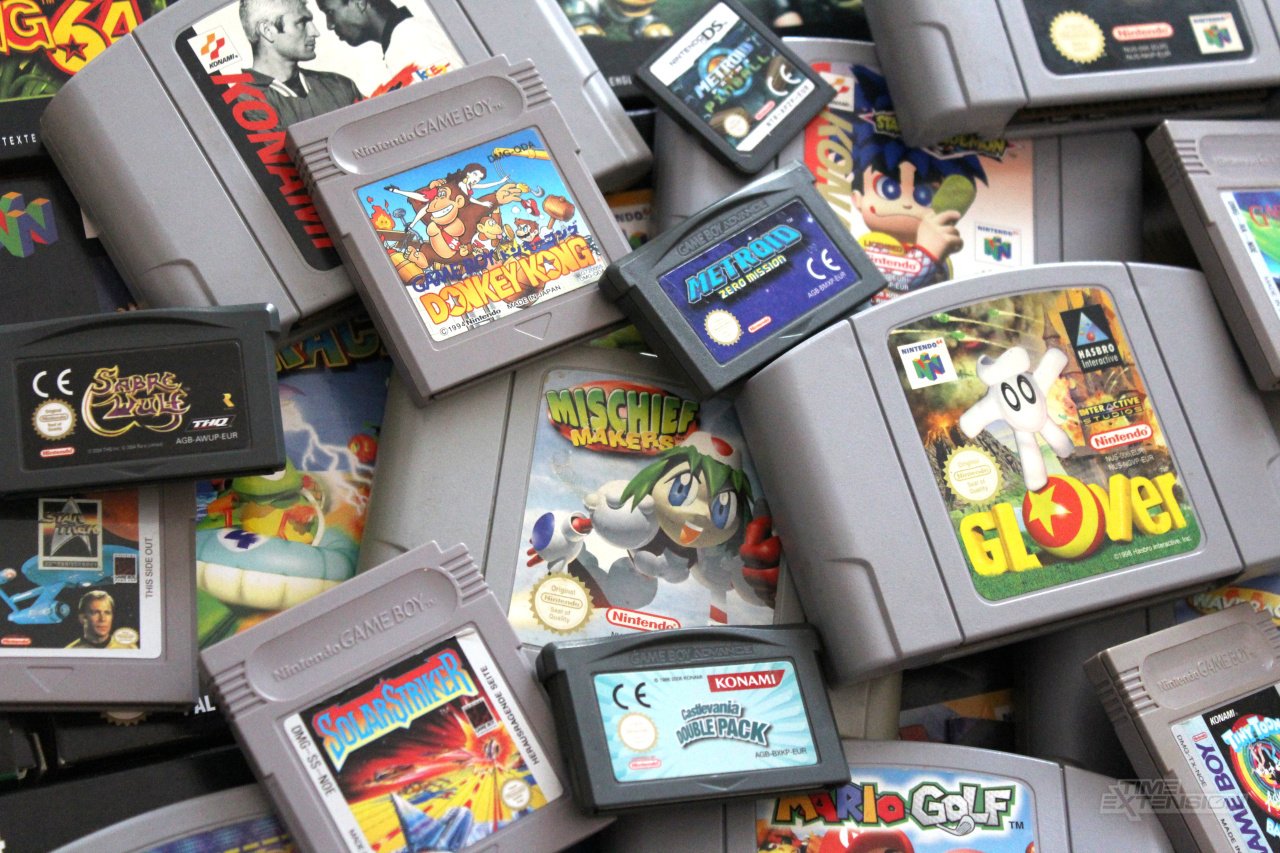
A game ROM is a digital copy of a video game’s data, typically extracted from a physical game cartridge or disc.
Ever wondered how people play old games on their computers or phones? It all starts with understanding what is a game rom. These files are essentially the blueprint of a game, containing all the code and assets that make it run.
Think of it like taking a digital snapshot of a game cartridge. Once you have this file, emulators can read it and let you experience the game on different devices. This allows games to persist long after their original hardware is gone.

What is a Game ROM?
Have you ever wondered how people play old video games on their computers or phones? The secret lies in something called a “game ROM.” Think of a ROM like a digital copy of a game cartridge or disc. It’s not the actual physical thing, but a file that contains all the game’s instructions and data. Let’s dive deeper and explore what exactly a game ROM is, how it works, and everything else you need to know!
The Basics: What’s Inside a Game ROM?
Imagine you have a LEGO set. The instructions tell you how to build a specific model, and all the different LEGO bricks are the data needed for the build. A game ROM is similar. It’s a single file that stores everything needed to run a video game. This includes:
- Game Code: This is the set of instructions that tells the game what to do. It’s like the brain of the game, controlling everything from character movement to the game’s story. This is mostly written in a computer language that your device (e.g. a game console) can understand.
- Game Assets: These are all the visual and audio elements of the game. Think of character sprites (those are the drawings of the characters), background pictures, music, and sound effects. These make the game look and sound like it does!
- Game Data: This is everything else! Things like saved game information, level designs, and dialogue. All these data points help to create a complete game experience.
So, a game ROM is not just a single picture file, it’s a whole package of code, images, sounds, and data that lets you play the game. It’s like a digital version of a game cartridge.
How ROMs Work: Emulators and Game Play
Now that we know what a game ROM is, the next question is how do you use it? You cannot just double click on it and expect it to work like a normal app. You need an emulator. An emulator is a program that acts like the original game console or computer. It creates an environment where the game ROM can run. Think of it like a translator; the emulator understands the game’s language and can convert it into instructions your computer or phone can understand.
Here’s how it all comes together:
- You download a game ROM file (usually from a website).
- You download an emulator that is compatible with the type of game (e.g., a Game Boy emulator for Game Boy ROMs).
- You open the emulator.
- You load the game ROM into the emulator.
- The emulator reads the ROM’s data and runs the game.
- You get to play the game on your computer or phone!
The emulator recreates the whole experience of playing on the original device, but on a different device. It shows the game graphics on the screen, outputs sounds through the speakers, and it lets you use a controller (or keyboard/touchscreen) to play. Without emulators, game ROMs would just be useless files that the computer or your mobile phone could not understand or run.
Where Do Game ROMs Come From?
This is an important question! Game ROMs usually come from one of two places:
Legitimate Sources
Sometimes, game companies release ROMs of their old games on purpose. This is often done through services like virtual console shops or online stores that specialize in retro games. For example, Nintendo has released several of their older games in a digital format. It is legal to get the games from the places that the companies themselves have authorized.
User-Created Rips
Many game ROMs come from individuals who have used special hardware to copy the data from their original game cartridges or discs. This is sometimes called “dumping” or “ripping” a game. People create these digital files for a few reasons such as to preserve old games and be able to play them on different devices without needing the physical game cartridges or disks. However, this way of obtaining games can sometimes be considered a form of digital piracy, which is not legal.
The Legality of Game ROMs: Navigating a Gray Area
The topic of the legality of game ROMs is a complicated and important one. In many cases, it operates in a legal gray area, and the rules can be different based on where you live and the laws of your country.
Copyright and Ownership
Video games are copyrighted material, which means that the companies that create them own their content. This includes the game code, the graphics, music, and other elements. Copyright law gives these companies the right to control how their work is copied, shared and used. Because of this, it is generally illegal to copy and share a game without the permission of the copyright owner.
The Case of Personal Backups
Some people claim that they are allowed to have game ROMs if they have the original physical game cartridge or disk. They argue that the ROM is just a personal backup of a game they already own. Some laws allow for a personal backup of copyrighted material, but it’s not always clear if this includes video games. It’s important to note that there are limitations to how such a backup can be used, and how this is legally interpreted can vary depending on the country.
Distribution is the Problem
The biggest legal problem comes with distributing game ROMs to other people. Sharing game ROMs with friends or uploading them to the Internet is almost always considered illegal. This is because it is seen as distributing copyrighted material without permission, no matter if you are giving it away for free or charging for it. If it was legal, then anyone could share the game without paying the creators for their work, which is against the purpose of having copyright protection.
The Important Takeaway
The bottom line is that if you are going to be using game ROMs, it is best to do it legally. The best way to ensure you are playing within the law is to only get the games from places that the companies have authorized. You can check official game websites to see if they have digital download options or check some of the online shops that have special agreements to sell retro games.
Different Types of Game ROMs: Console and Computer Games
Game ROMs come in many different forms, depending on the original platform. Here are some common types:
Console ROMs
These are ROMs of games designed for video game consoles like:
- Nintendo ROMs: This includes games for the Nintendo Entertainment System (NES), Super Nintendo Entertainment System (SNES), Game Boy, Game Boy Advance, Nintendo 64, Nintendo DS, Nintendo 3DS and other consoles.
- Sega ROMs: Includes games for consoles like the Sega Master System, Sega Genesis (or Mega Drive), Sega Saturn and Sega Dreamcast.
- Sony ROMs: These games are for Playstation 1, Playstation 2, Playstation Portable (PSP) and Playstation Vita and other Sony consoles.
- Atari ROMs: For older consoles like the Atari 2600, Atari 5200, and Atari 7800.
- Other Console ROMs: Including games for various less common consoles.
Computer ROMs
Even older computers can have game ROMs, although they are less common than console ROMs. These are typically ROMs of disk images or software that ran on older machines like the:
- Commodore 64 ROMs: Games for the famous Commodore 64 computer.
- Amiga ROMs: Games for the Amiga line of computers.
- DOS ROMs: Games written for the Microsoft Disk Operating System (DOS).
- Other Computer ROMs: Games for older PC platforms and other computer systems.
Each type of ROM will require a specific emulator that is designed to run the hardware of that original device, meaning that different ROM types need different emulators.
Why Are Game ROMs Popular?
Despite the legal complexities, game ROMs remain very popular for several reasons:
Nostalgia
Many people want to play old games that they loved when they were kids. Playing these games again can take them back to a happy time in their lives. Game ROMs can help them to experience that feeling again without needing the old hardware and physical games.
Preservation of Gaming History
Game ROMs have become important for preserving video game history. Many of the older games are very hard to find and are no longer sold in stores. The game consoles that ran the games may also be broken or not available anymore. ROMs allow these old games to continue to be played and enjoyed and protect them from being lost forever.
Convenience and Accessibility
It is easy to find game ROMs and emulators. They allow people to play all kinds of games on a computer or a mobile phone. With ROMs, it is easy to switch between games without changing the game disks or cartridges, which can be great for saving space and time.
Exploring Retro Gaming
Many people are interested in exploring the history of video games and try out games from different consoles. They want to see how the games were played in the past. This can help people get a better appreciation of how video games have improved over time and to enjoy the classic games from the past.
The Future of Game ROMs
The future of game ROMs is hard to predict. As long as there is interest in retro gaming, people will continue to want them. There may be more official ways to buy old digital games in the future, but fan created ROMs and emulation will also continue to be popular. The legal issues will continue to be complex. It is important to always get your games from a source where the original creators have authorized them to be shared or sold so that you don’t do anything wrong.
Game ROMs are powerful tools for bringing old games back to life. They are digital copies of the games that need emulators to be played on different devices. Although there are a lot of benefits to game ROMs, there are also complex legal issues that should be taken into consideration. This means it is always important to download them safely, from legal and official sources.
A Brief History on Emulators, Rom Hacks and Homebrewing
Final Thoughts
A game ROM is essentially a digital copy of a video game’s data. Think of it as the software that a physical game cartridge or disc holds. People use game ROMs to play games on emulators.
Emulators are software that mimic the hardware of older gaming consoles. A game ROM provides the game’s code. This lets a computer or other device run the game. In short, “what is a game rom” is the game data file.

