
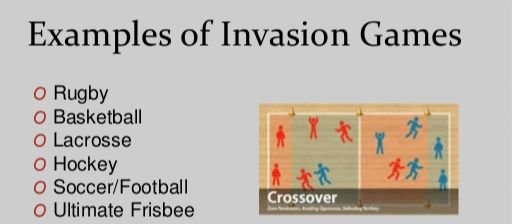
Invasion games are team-based sports where the primary objective is to invade the opponent’s territory to score points, while simultaneously defending your own.
Ever wondered about games that get your heart racing and your team working together? The kind where you’re constantly moving, thinking, and trying to outsmart the other side? Well, that’s essentially what is invasion games about. Think of it as a structured form of tag or capture the flag, but with specific rules, goals, and strategies.
These games focus on attacking an area to score. Defending your own space is just as vital, making these dynamic activities great for physical fitness. Teamwork is essential; players must coordinate to both attack and defend effectively.

What is Invasion Games?
Have you ever played a game where you had to move a ball or object into the other team’s area to score? Or maybe you’ve tried to protect your own space while trying to do that? If so, then you’ve likely played an invasion game! Invasion games are a category of sports and activities that share some core ideas, which make them super fun and exciting. They involve teamwork, strategy, and lots of movement. Let’s dive deep into what makes these games so special.
The Basic Idea: Invading and Defending
At its heart, an invasion game is about two teams trying to achieve a goal by moving an object (like a ball or frisbee) into their opponent’s territory to score points. At the same time, they have to defend their own area to prevent the other team from scoring. Think of it like this: one team is trying to ‘invade’ the other team’s space while the second team is trying to protect it.
Key Elements of Invasion Games
There are several elements that make an invasion game what it is. These are the characteristics that we see again and again in different games within the category. Here are some of them:
- Teamwork: These games are almost always played in teams. Players need to work together to both attack and defend. You can’t be a one-person show in these games; it’s all about collaboration!
- Scoring: The main goal is to score points. This usually involves moving an object into a target area, like a goal, hoop, or end zone.
- Movement: Players need to move around the playing area quickly and efficiently. This involves running, jumping, dodging, and more!
- Space Awareness: It’s important to know where you are, where your teammates are, and where your opponents are on the playing field. Good spatial awareness helps players be more effective.
- Strategy and Tactics: These games are not just about moving the ball. Teams have to plan and adapt their strategies to outwit their opponents. They have to create ways to go on the attack and defend at same time.
- Offense and Defense: Teams need to be good at both attacking (trying to score) and defending (preventing the other team from scoring). Balance between offense and defense is important.
Popular Examples of Invasion Games
You might be surprised by how many games you already know that fall under this category. Let’s take a look at some well-known examples:
Sports as Invasion Games
- Basketball: Players dribble and pass the ball to shoot it through a hoop, trying to score more points than the other team. They also defend their own hoop from the other team doing same to them.
- Soccer: The goal is to kick or head a ball into the opponent’s net while also protecting your own goal. It is all about invasion and defense here too.
- American Football: Players advance the football down the field and across the goal line (end zone) for a touchdown. Defence tries to prevent the opposing team from moving the ball.
- Hockey: Players use sticks to move a puck across the ice and into the opponent’s net, while also stopping them from doing same.
- Lacrosse: Players use sticks with nets to catch, carry, and pass a ball with the goal of scoring in the opposing team’s net. Defense aims to stop them from doing same.
Less Formal Invasion Games
Beyond organized sports, there are also many less formal games we can play that are based on invasion game principles.
- Capture the Flag: Two teams try to capture the other team’s flag, that is placed in their territory and bring it back to their own.
- Tag Games in the Park: Many forms of tag involve trying to tag others while avoiding being tagged yourself. This can involve moving through an area to tag someone and not be tagged when you enter someone’s territory.
- Frisbee Games: Using a frisbee to pass and move into an area to score points involves the same type of skills used in invasion games.
- Handball: Passing a ball between players and scoring in an area, while the other team tries to defend their territory.
Why are Invasion Games Important?
Invasion games are not just fun; they’re also really good for us! Here are some reasons why these types of games are important for kids and adults too:
Physical Benefits
- Improves Fitness: These games get you moving! They help with your cardiovascular health, making your heart and lungs stronger.
- Develops Coordination: Running, jumping, throwing, catching—all these actions help you get better at coordinating your body.
- Builds Strength: The movements in invasion games help build muscles.
- Promotes Agility: Changing direction quickly and moving around other players will make you more agile and quick.
Social and Emotional Benefits
- Teaches Teamwork: You have to work together to win, so you learn how to be a good team player.
- Enhances Communication: You need to talk to your teammates to plan and play the game effectively.
- Develops Sportsmanship: You learn how to win and lose gracefully and to respect your opponents and teammates.
- Builds Confidence: Getting better at the game and working with your team can make you feel really confident.
Cognitive Benefits
- Strategic Thinking: You have to plan your moves and think about how to outsmart the other team.
- Problem-Solving Skills: You learn how to figure out different ways to achieve your goal and how to react to the actions of your opponents.
- Decision-Making: You need to quickly decide what to do while playing, improving your decision-making abilities.
- Spatial Awareness: Being aware of the space around you and where other players are helps to develop your cognitive abilities.
How to Get Better at Invasion Games
Like anything, practice and learning helps you improve your invasion game skills. Here are a few ways to get better:
Practice Regularly
- Consistent Participation: The more you play, the better you’ll get at the movements and strategies involved in invasion games.
- Focus on Fundamentals: Work on your basic skills like throwing, catching, and running.
Learn from Others
- Observe Skilled Players: Watch how others play and try to learn from their techniques and strategies.
- Listen to Coaches or Teachers: They can give you specific advice on how to improve your skills.
Develop Game Strategy
- Understand Team Roles: Know what your team needs from you. For example, are you a defender or an attacker?
- Plan Tactics: Work with your team to develop smart ways to score and prevent the other team from scoring.
Be a Good Teammate
- Communicate: Talk to your team while playing. Let them know your position and what you are going to do.
- Support Others: Cheer on your teammates and help them when they need it.
Be Adaptable
- Be Flexible: Be ready to adjust to different situations and adapt your game plan as needed.
- Learn from Mistakes: Every mistake is a chance to learn and improve. Don’t get discouraged!
Modifying Invasion Games for Different Needs
One of the great things about invasion games is that they can be easily changed to suit different skill levels and needs. This makes them fun and accessible for everyone!
Changing the Rules
- Simplifying the Rules: For very young players or beginners, you can make the rules simpler, like allowing walking instead of running.
- Adjusting the Size of the Playing Area: You can make the playing area smaller for fewer players, or larger for more players.
- Modifying the Equipment: Instead of a regular ball, you can use a larger, softer ball or a balloon.
Making it Inclusive
- Allowing Different Ways of Participating: Some players might not be able to run but they might be good at passing or defending. Ensure that there is a role for everyone in the game.
- Using Adaptive Equipment: For players with physical challenges, use equipment that meets their needs and enables them to play alongside everyone else.
Using Invasion Games in Education
Invasion games are not just great for recess or sports practice; they are also fantastic tools for teaching important lessons in schools.
Teaching Physical Education
- Developing Motor Skills: These games are a great way to teach and develop many motor skills for kids.
- Promoting Physical Activity: Kids become more active through invasion games and learn to enjoy physical exercise.
- Learning Team Skills: It’s great for teaching teamwork, communication, and sportsmanship.
Teaching Life Skills
- Problem Solving and Critical Thinking: Players learn how to think strategically and solve problems within the game’s context.
- Resilience: Games help you deal with setbacks and learn to keep going when things don’t go your way.
- Cooperation: Working together as a team, even when others have different ideas, prepares you for working in the real world.
Making Invasion Games More Engaging
Even though invasion games are naturally fun, there are some ways to make them even more engaging for players. Here are some tips:
Introducing Variety
- Playing Different Games: Switch between different types of invasion games to keep things exciting.
- Changing the Objectives: Add variations of the objectives to keep the games feeling new and fun.
- Changing the Equipment: Instead of a ball, try using a frisbee or other types of equipment for a change.
Adding Challenges
- Implementing Constraints: Give teams some extra challenges, like, having to use their non-dominant hand for some tasks, or forcing players to pass before shooting.
- Setting Time Limits: Increase or reduce the amount of time allowed for the game, this changes how the players approach the game.
- Creating Mini-Tournaments: Set up mini-games and tournament style play to increase the engagement level.
Promoting Creativity
- Letting Kids Create Their Own Games: Encourage players to come up with their own versions of invasion games.
- Encouraging Strategic Play: Ask players to try different strategies for both offense and defense.
Invasion games provide a fantastic avenue for physical activity, teamwork, strategic thinking, and social interaction. They are a fun and effective way to learn many valuable life skills. Whether it’s basketball, soccer, capture the flag, or even a game you’ve just invented yourself, the principles remain the same: invade, defend, and work together to reach a common goal.
Invasion Games
Final Thoughts
Invasion games involve teams attacking to score while defending their own goal. These activities teach important skills like teamwork and strategy. The games use passing, moving and defending techniques. Players must coordinate to get the ball into the target area.
Ultimately, what is invasion games? They are dynamic sports that emphasize offensive and defensive play. The primary goal remains scoring while also protecting your team’s target. Understanding these core principles helps appreciate the game play of it.

