
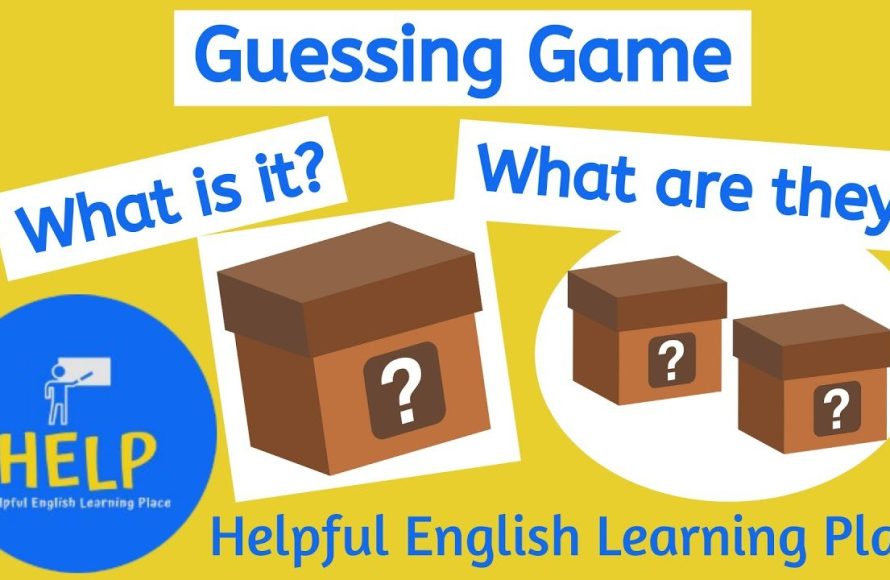
‘What is it game’ is a guessing game where players try to identify an object or concept based on clues given by others.
Ever found yourself blurting out questions trying to pinpoint some hidden thing? That’s the essence of the game, “what is it game”! It’s a classic pastime, often enjoyed by people of all ages in varied social settings. Think of it as a fun challenge testing your ability to deduce, and also a test of how creative the clue-givers can be.
You may have played a similar game at a party or as a child. The pure joy of figuring out the mystery is what makes this such a timeless source of entertainment. Its simplicity is the key to its widespread appeal.

What Is It Game: A Deep Dive into Fun and Learning
Ever heard someone say, “What is it?” and felt a thrill of curiosity? That’s the core of the ‘What Is It Game’! It’s not just one game, but a whole family of games that rely on guessing, observation, and a bit of playful mystery. These games can be played anywhere, with anyone, and often require minimal to no supplies. They are fantastic for sparking imagination, boosting vocabulary, and creating memorable moments. Let’s explore the different forms this amazing game takes and why it’s so popular.
The Classic “What Am I?” Game
The most well-known version is probably the “What Am I?” game. This is where one person chooses an object, animal, or even a famous person, and the others ask yes or no questions to figure out the answer. It’s a simple concept, but it’s packed with opportunities for learning. You can adapt this to be about almost anything. For younger children, you might choose only animals they are familiar with. For older children, the game can include more complex concepts and even abstract ideas.
How to Play “What Am I?”
Here’s a basic breakdown of how this version works:
- Choose a Thinker: One person is selected to be the “thinker,” the person who selects the mystery item.
- Pick a Secret: The thinker secretly picks something – an animal, an object, a famous person, a place, anything at all. The thinker should keep their choice hidden from the others.
- Ask the Questions: The other players ask questions that can only be answered with “yes” or “no.” Examples include: “Is it an animal?”, “Is it bigger than a breadbox?”, “Does it fly?”
- Guessing Time: Once players have asked a few questions, and they feel ready to guess, they can try to name what the thinker chose. If a player guesses correctly, they become the next thinker. If they are incorrect, they get another chance after more questions are asked.
This format encourages logical thinking and the use of descriptive language, which improves a child’s vocabulary and ability to express themselves. Players must think carefully about the information they get from the ‘yes’ and ‘no’ answers, learning to eliminate possibilities to get closer to the correct answer.
“What Is It?” with Objects
Another great form of this game uses actual objects. You can gather a variety of objects and put them inside a bag, box, or under a cloth. Then, the players take turns to feel the object without seeing it and describe what it feels like, such as is it smooth, rough, soft, hard, heavy, or light. The other players must then guess what the object is based on the descriptions. It is a fun way to learn about different textures and shapes while developing important sensory awareness.
How to Play Object “What Is It?”
- Gather the Items: Collect a selection of everyday objects with different shapes, textures, and sizes. Good choices include a sponge, a spoon, a toy car, a book, a ball, a small rock, etc.
- Hide the Objects: Place all the objects into a bag, box, or under a cloth so the players cannot see them.
- One at a Time: One player at a time is chosen to feel one of the objects without looking at it.
- Describe it: That player should describe the object’s texture, shape, and other qualities to the other players. Try to avoid actually naming it.
- Guess: Other players then guess what the object is.
- Reveal: If guessed correctly, then you can reveal it. If no one guesses correctly, the next player gets a try.
“What Is It?” using Sound
You can modify “What is it?” to be all about sounds. This game relies on your hearing. You can make different sounds and have the other players guess what is making the sound, or where the sound is coming from. You can create the sound yourself, use household objects, or prerecord sounds. This version is great for developing a child’s auditory awareness and ability to distinguish between various noises.
How to Play Sound “What Is It?”
- Sound Source: The game leader makes a sound, such as clapping, whistling, tearing paper, shaking keys, tapping on a desk, using a musical instrument or playing pre recorded sounds from your phone or computer.
- Listen Carefully: The other players need to listen very carefully to the sound being made.
- Guess the Sound Source: The players then guess what object or action created the sound.
- Discussion: You can discuss sounds with players to help explain the difference of sounds with different materials, instruments and action.
Why “What Is It” Games are Great for Learning
These “What Is It” games offer much more than just entertainment. They are great for cognitive development. Here’s why they’re so beneficial:
Cognitive Development
- Problem-Solving: Players must think strategically to formulate their questions or analyze descriptions of objects or sounds. This helps build their problem-solving skills.
- Deductive Reasoning: Players learn to make inferences and eliminate possibilities as they gather more clues.
- Critical Thinking: The games challenge players to think critically about the information given, analyze it, and make informed deductions.
- Vocabulary Expansion: Games expose children to new words and concepts, helping to develop their communication skills.
Social and Emotional Development
- Cooperation: These games often require players to collaborate, encouraging teamwork and cooperative learning.
- Patience: Players learn to wait their turn, improving their patience.
- Communication: Players develop communication skills by asking clear questions and explaining their ideas effectively.
- Active Listening: Players learn the skill of active listening, as they focus on and consider what their team mates are saying.
Adaptable and Inclusive
“What Is It” games can be modified to suit different ages, skills, and interests. Here are some modification ideas:
- Age Adaptation: For very young children, you can choose simple and familiar objects and concepts. For older children, you can incorporate more complex or abstract ideas.
- Skill Levels: You can adjust the complexity of the questions or descriptions depending on the skill levels of the players.
- Themes: Create themed games, such as “What am I? – an animal” or “What is it? – an item in the kitchen.”
- Accessibility: These games can be played anywhere, and can be enjoyed by people with a range of skills and abilities.
Making “What Is It” Games Even More Fun
Let’s explore some creative ways to spice up your games:
Adding Charades
For “What Am I?”, instead of just asking questions, allow players to act out clues as well. This can add a fun physical element and will really test player’s creative thinking. Players can act out how an animal moves, or the typical action of something like cooking with a pan.
Mystery Box
For “What Is It?” with objects, use a decorated box or bag for the objects, making the experience feel more special and mysterious. Kids love the sense of anticipation.
Sound Effects and Music
In the sound version, use a variety of unusual sound effects or even snippets of music to make it more difficult to guess. This adds a layer of interest and makes it more interesting for the players.
Team Play
If you have a larger group, divide into teams. Teams work together to figure out the answers, promoting teamwork.
Rewards System
Implement a simple rewards system, like giving a sticker to the correct guessers. The small incentives keep the game fun and engaging.
Story Time
For the “What Am I?” game, encourage the “thinker” to create a short story about their chosen item. The story can include little clues for the players, and is a fun way to increase the interest and interaction of the game.
Visuals
If possible, use visual cues in the form of pictures or drawings to go with the description of object and make the game even more engaging and interesting for players. Make flashcards with the objects and sounds on them. This is especially useful for young children.
Incorporating Educational Elements
“What Is It” games are not just fun; they can easily be adapted to reinforce educational topics.
Science
- Animal Classification: When playing “What am I?” with animals, focus on specific categories, such as mammals, reptiles, and birds.
- Objects & Materials: For object-based “What Is It?”, discuss the properties of materials – metals, plastic, wood, etc.
- Natural Sounds: In sound games, focus on animal noises or nature sounds.
History
- Famous Figures: Play “What am I?” with famous historical figures, adding clues from their life and achievements.
- Historical Artifacts: Use pictures of artifacts and ask, “What is this artifact used for?”.
Geography
- Landmarks and Places: Play “What Am I?” focusing on cities, countries, landmarks and different places from around the world.
- Sounds of different places: play the sounds of different countries, or places (such as the beach or forest) and ask what the players think they are from.
Language Arts
- Vocabulary Expansion: Encourage players to use rich, descriptive language when giving clues.
- Figurative Language: Challenge players to include metaphors and similes when describing.
- Storytelling: Ask the ‘thinker’ to weave the ‘what am I’ into a short story to encourage reading, writing and creative thinking.
You can use these modifications to make learning fun, and engaging, for the whole family.
In the end, “What Is It” games are a really fun way to connect, learn, and create lasting memories, whether you are playing with young children, family, or friends. These games offer so much more than just guessing; they help to develop essential cognitive skills, teach team work and communication skills, and are incredibly flexible to suit different ages, themes, and interests. So the next time you’re looking for a fun, educational, and engaging activity, try playing “What Is It?” and see how much fun you and the others have. They will keep you coming back for more.
What Is It? Song | Learn Toys | Guessing Game | Kindergarten, Preschool & ESL | Fun Kids English
Final Thoughts
“What is it game” tests observation and deduction. Players identify a hidden object, person, or place based on provided clues. The challenge lies in interpreting these subtle hints.
It encourages creative thinking and promotes interaction among participants. This simple concept offers a fun and engaging pastime for all ages. The core of “what is it game” is solving a mystery.

