
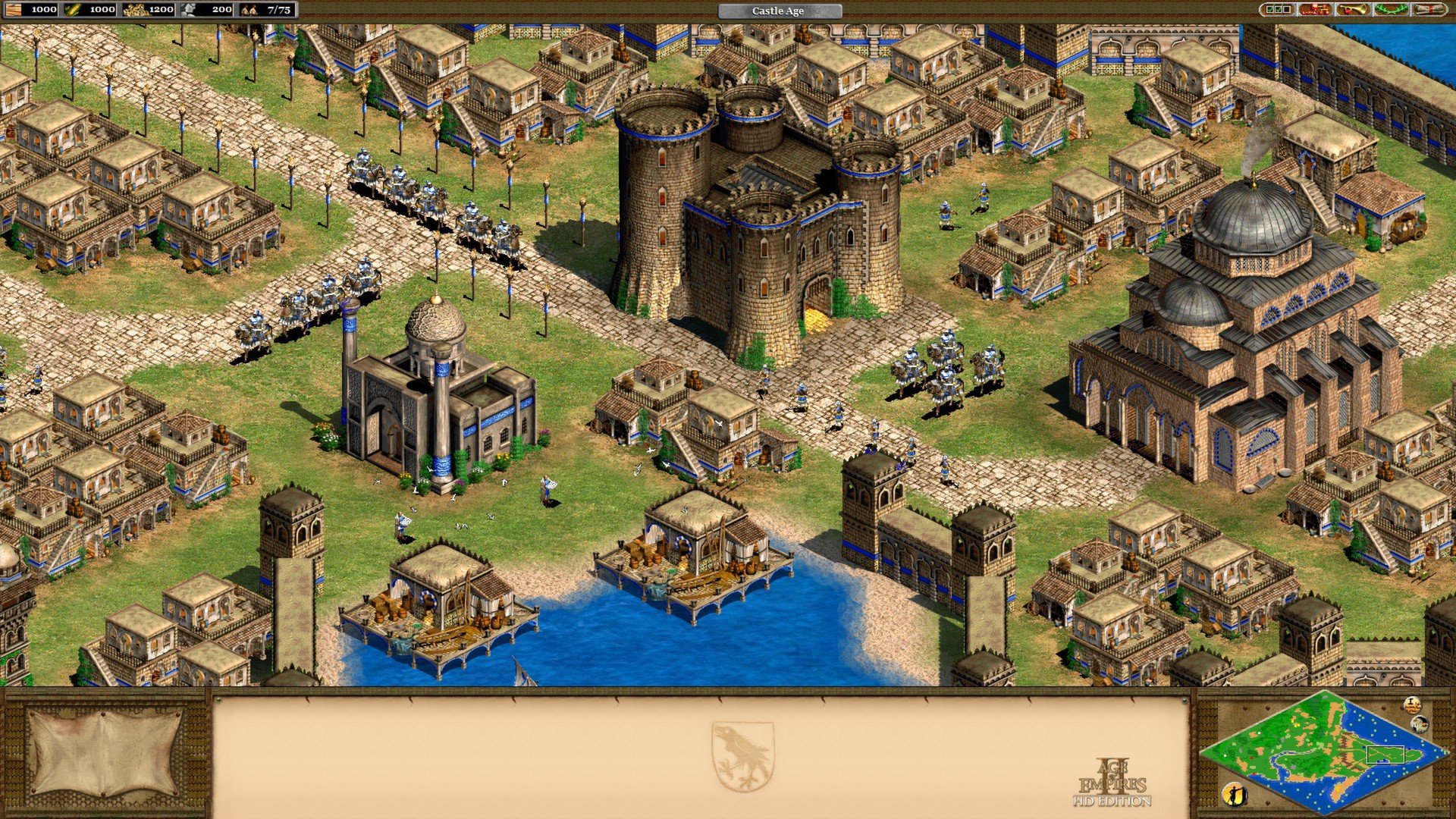
RTS games are real-time strategy games where players control units and manage resources to achieve objectives, all happening simultaneously rather than in turns.
Ever wondered about those games where you build bases, command armies, and clash with opponents all at the same time? Well, that’s the core of what is rts games. These dynamic experiences demand quick thinking and strategic planning.
Unlike turn-based games, actions in rts games happen continuously, requiring players to adapt on the fly. It’s a genre filled with intense battles and satisfying victories.

What is RTS Games?
Have you ever dreamed of leading armies, building mighty bases, and outsmarting your opponents in a virtual world? That’s the exciting experience you get with Real-Time Strategy (RTS) games! Unlike turn-based games where you wait for your turn, RTS games let you make decisions and take actions all in real time. This means you need to think fast, plan carefully, and adapt quickly to what’s happening on the screen. Let’s dive deeper into this fascinating genre and explore what makes it so special.
The Core Elements of RTS Games
At the heart of every great RTS game are some key elements that work together to create a fun and challenging experience. These elements are present in most games of the genre, and understanding them will help you quickly get a handle on how they function.
Resource Management
Think of resources as the fuel for your war machine. You need them to build your base, train your troops, and research new technologies. These resources can come in different forms, depending on the game. They can be gold, wood, minerals, or even a fictional substance. It’s your job to gather them efficiently by assigning workers or controlling key locations on the map. Managing these resources is like managing your piggy bank, and it’s a crucial skill for success in any RTS game. You have to balance spending on troops, buildings and technologies, if you spent too much on building troops, you might get too weak on base building and technology research, so there needs to be a constant balancing act.
- Gathering: This means directing your units to collect resources from designated areas.
- Management: This includes knowing how much of each resource you have and how to best spend them.
- Balancing: You have to balance resource income with the cost of creating units and buildings.
Base Building
Your base is your headquarters and the place you build all your essential structures. These can be buildings for producing units, researching upgrades, or defending your land. The way you design and expand your base is an important part of any RTS game. Do you want to spread out and control more territory? Or do you want to build a powerful, fortified stronghold? It’s all up to you. Different buildings have different uses and benefits, making it important to choose the right buildings at the right time.
- Production Structures: These buildings create your units, which you then use for combat or further resource gathering.
- Technology Structures: These buildings allow you to research upgrades that make your units stronger or give you access to new units.
- Defensive Structures: These structures help you protect your base from enemy attacks, usually by setting up turrets or walls.
Unit Production & Control
Units are your soldiers on the field, and controlling them is one of the most exciting aspects of an RTS game. You create units in your base, and then you command them to battle, explore, or perform other tasks. Unit types vary a lot from game to game, but generally include a mix of infantry, ranged attackers, and vehicles. Each unit also has different strengths and weaknesses, some are good at dealing with tanks, while others deal with infantry units better. It’s important to know which units are effective against others. The key is to move units strategically to win the fights. For example, you may send a scout ahead to see where the enemy is, or send a large group of tanks to push through the enemy defenses.
- Unit Types: This includes a variety of units with different roles, such as infantry, tanks, and flying machines.
- Unit Formations: Grouping units together can often give them bonuses to combat and allow you to perform more strategic assaults.
- Micro-Management: This involves controlling small groups of units to maximize their effect in battle.
Combat and Strategy
Ultimately, RTS games are about strategy, and the battles are where your plans come to life. It’s not always about having the biggest army. Sometimes, the best strategy is to sneak around the enemy and attack their base. Other times, it’s about setting up a defensive position and waiting for the enemy to come to you. Combat in RTS games requires you to think ahead, assess the situation, and adapt your plans based on what’s happening on the field. A large group of tanks may seem intimidating, but a well-planned group of anti-tank units can bring them to their knees. Understanding your enemy’s strategies and adapting to their strengths and weaknesses is crucial for victory in real time combat scenarios.
- Tactical Maneuvers: Using terrain and unit positioning to gain an advantage.
- Countering Enemy Units: Deploying units that are strong against the enemy’s forces.
- Timing Attacks: Coordinating attacks with different units to overwhelm the enemy.
Technology and Upgrades
Technology and upgrades play a vital role in strengthening your army. By researching new technologies, you can improve your units’ health, damage, armor or make them faster. These upgrades are often essential for keeping up with your opponents as the game progresses. Technology upgrades can also unlock new units, defenses, or even game-changing abilities. This tech tree system means players have different upgrade paths they can follow, which can give players unique strategic choices.
- Researching New Units: Gaining access to more powerful units by investing in the technology tree.
- Upgrading Existing Units: Making your current forces stronger through different types of upgrades.
- Strategic Tech Choices: Deciding which upgrades give you the most advantage over your enemies.
Subgenres of RTS Games
Just like other game genres, RTS has subgenres that add their own unique twist to the core gameplay. These different subgenres offer a diverse range of experiences that cater to various tastes and preferences.
Classic Base-Building RTS
This is the traditional style of RTS games that focuses on building a base, managing resources, producing troops, and battling the enemy. Think of games like StarCraft, Age of Empires and Warcraft. These games often have a strong emphasis on economy and strategy, with many different tech upgrades and unit types available to research. The gameplay loop involves constant base expansion, resource gathering, and army creation.
Key Features:
- Heavy focus on base construction and resource management.
- Tech trees and upgrades that unlock more units and abilities.
- Large-scale battles involving multiple unit types.
- Strategic gameplay with an emphasis on economics and long-term planning.
Real-Time Tactics (RTT)
RTT games focus more on controlling a smaller group of units and completing objectives, rather than building massive armies and bases. Games like Company of Heroes and Dawn of War are great examples of RTT games. In these games, it’s crucial to think tactically and strategically to win battles. Resource management and base building are still present but not as important as unit micro-management and tactical positioning on the map.
Key Features:
- Smaller, more tactical battles with a focus on squad control.
- Limited or no base building, with a greater emphasis on unit positioning.
- Objective-based missions that require tactical decision-making.
- More detailed units that provide a higher degree of control.
4X RTS
4X stands for eXplore, eXpand, eXploit, and eXterminate. These games usually involve taking charge of an entire civilization and expanding your empire across the map. 4X RTS games often have a strategic focus, where you have to balance your economy, diplomacy, technology, and military strength. Often, 4X RTS games have much deeper gameplay and longer campaigns than regular RTS games, and are very strategic in nature. Games like Sins of a Solar Empire and Galactic Civilizations are good examples of this subgenre.
Key Features:
- Large maps and empire-building mechanics that allow for global strategy.
- Diplomacy, trade, and economic elements that make for varied gameplay.
- Technology trees that allow for scientific and military advancements.
- A large-scale approach to strategy, with many moving parts to take into account.
Why are RTS Games So Popular?
RTS games have been around for a long time, and their popularity shows no signs of slowing down. But what is it about these games that keeps players coming back for more? Let’s break down some of the reasons.
Strategic Depth
RTS games aren’t just about button mashing. They require planning, thinking ahead, and adapting to changing situations. The need to think carefully about your base, army composition, and battle tactics makes for a very deep and engaging experience that gives the players a constant mental challenge. It’s not just about reacting but also about planning.
Competitive Challenge
Many RTS games have a competitive multiplayer mode, allowing players to test their skills against others online. It’s very rewarding to see your carefully crafted plans come to fruition, and the high-stakes, fast-paced action can be really exciting for players who love competition. Competing online is a test of skill and strategy, giving players a huge sense of accomplishment when they win.
Rewarding Gameplay
Watching your base expand and your army grow, and then using them effectively in a battle gives a great feeling of satisfaction. The combination of strategy, planning, and action makes for a very fun experience. When your plans work out, it’s incredibly rewarding, and this keeps players engaged for hours and hours.
Variety and Diversity
The RTS genre includes a lot of different types of games, meaning there is an RTS out there for everyone, from historical settings to futuristic space battles. The different factions, units, technologies, and gameplay styles mean each game is a different and unique experience. The large amount of diversity in the genre is a big part of the appeal.
Learning Curve
RTS games have a learning curve, but this is part of what makes them so interesting. The constant learning and adapting to new strategies can be challenging but very fun at the same time. The learning process makes each victory feel earned, adding to the replay value of the genre. You are always learning and figuring out new strategies, and this keeps the game fresh and exciting.
Getting Started with RTS Games
If you are new to the genre, it can seem a little intimidating at first, with all the micromanagement, base building, and resource management. But don’t worry, it’s easier than it seems. Here are some tips to help you get started.
Start with Tutorials
Most RTS games have a tutorial, and it’s worth taking the time to complete it. The tutorial will show you all the basic mechanics of the game, and it will also help you get a feel for the game’s unique play style. The tutorial is essential for helping you learn the basics, so make sure you go through it carefully.
Play the Single-Player Campaign
The single-player campaign is often a great way to learn the game without feeling pressured by online opponents. The campaign will slowly introduce you to new units, buildings and game mechanics, letting you get used to the game at a steady pace. The single player mode allows you to learn while being immersed in the game’s story.
Experiment with Different Strategies
Don’t be afraid to try different strategies and see what works for you. Some games focus on fast, early attacks, while others reward strong defensive play. The best strategy varies depending on the game and faction, so it is important to figure out your favorite way to play. Experimenting is a big part of learning how to play an RTS game.
Watch Replays and Tutorials
If you find yourself having trouble with a specific matchup or strategy, there are many replays and tutorials on the internet. These resources can help you understand what more experienced players do differently, and you can also learn from others’ mistakes. Watching good players play is often the quickest way to become better at the game.
Practice Regularly
Like any skill, practice makes perfect. The more you play, the more comfortable you will become with the game. It also helps develop muscle memory, and learn how to manage your base and units more efficiently. With each game you will improve, so make sure to practice often.
Real-Time Strategy games offer a unique mix of strategic planning, resource management, and fast-paced action. They challenge your mind and also provide hours and hours of fun, while giving players a feeling of progression and accomplishment. So, whether you are a seasoned gamer or someone curious about RTS games, it’s always a good time to dive into this genre and start building your own empire!
What Makes RTS Games Fun: Why We Play RTS
Final Thoughts
Real-time strategy games challenge players to manage resources, build bases, and command armies simultaneously. Players make tactical decisions, reacting to opponents actions in a dynamic battlefield. These games require quick thinking and planning.
In essence, what is rts games? They are about constant decision-making within a time constraint. Success demands effective resource management and skillful troop deployment. Players must adapt their strategies to counter enemy moves.

