
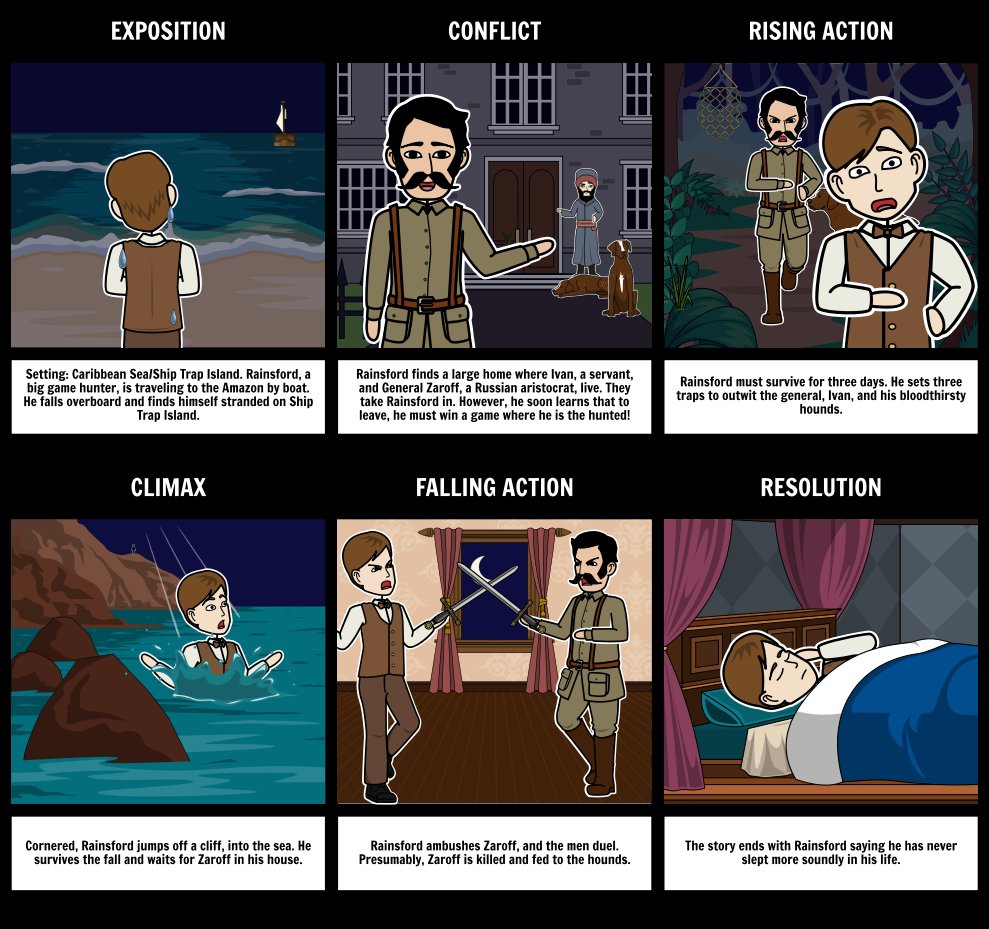
The exposition of “The Most Dangerous Game” introduces Sanger Rainsford, a renowned big-game hunter, as he falls off a yacht and swims to Ship-Trap Island. It also sets the story’s initial setting and atmosphere, hinting at the dangerous nature of the place.
Have you ever wondered what makes a story truly gripping? One crucial element is the exposition. Let’s explore this concept by diving into a classic tale.
Today, we’re asking: what is the exposition of the most dangerous game? The answer lies in the beginning, where we meet Rainsford and learn about the ominous island. This sets the stage for the thrilling hunt that will follow, building suspense and piquing your interest.

What is the Exposition of The Most Dangerous Game?
Okay, let’s dive into the very beginning of “The Most Dangerous Game,” a super exciting short story! We call this beginning part the exposition. Think of it like setting the stage for a play or building the foundation for a house. The exposition gives us all the important background information we need to understand what’s going on. It introduces us to the characters, the setting, and the main conflict that will drive the story forward. In this particular story, the exposition is crucial because it sets a very specific mood and hints at the scary adventure to come. It helps us understand why the story is called “The Most Dangerous Game” in the first place! So, let’s explore the details of the exposition in “The Most Dangerous Game.”
Introducing the Characters: Rainsford and Whitney
The exposition of “The Most Dangerous Game” starts by introducing us to our main characters. We first meet Sanger Rainsford, a famous big-game hunter. Rainsford is confident, experienced, and loves the thrill of the hunt. He believes that hunting is a sport where the hunter is in control, the animal is just a target. He’s on his way to Rio de Janeiro to hunt jaguars. The second character we meet is Whitney, Rainsford’s friend and fellow hunter. Whitney is a little different from Rainsford, he has a much more sensitive approach to hunting. He has a sense of unease and talks about the mysterious and dangerous nature of Ship-Trap Island, a place where sailors have reported feeling a sense of dread.
Here’s a quick comparison:
- Rainsford: Confident, experienced hunter, believes animals have no feelings.
- Whitney: More thoughtful, believes animals might experience fear, and is a bit more cautious.
The Crucial Conversation About Feelings
Their initial conversation is super important to the exposition. Whitney talks about the feeling animals might have, the fear of being hunted. Rainsford dismisses this, arguing that animals only have instincts and no concept of fear. This conversation lets us see their different views on hunting and hints at something important that will happen later. It’s all about perspective! Whitney even hints at the island’s creepy reputation:
Whitney Says: “Even cannibals wouldn’t live in such a godforsaken place.”
Rainsford replies: “Nonsense, Whitney. You’re a big game hunter, not a philosopher.”
This dialogue shows that Rainsford doesn’t believe in a creature’s perspective or what they may feel and his belief will dramatically change later in the story. This sets up a huge contrast that the story will explore. It helps us understand that the story isn’t just about hunting; it’s also about empathy and understanding another creature’s feelings.
Setting the Scene: The Mysterious Ship-Trap Island
The setting is vital to the exposition. “The Most Dangerous Game” takes place in the early 20th century, and much of the action occurs on a remote Caribbean island called Ship-Trap Island. Whitney and Rainsford are on a yacht passing near this place, but their journey gets interrupted. This island isn’t your typical tropical paradise. It has a bad reputation among sailors, who avoid it because of some unknown scary reason. The name “Ship-Trap Island” itself is an ominous hint. It’s a place where ships are said to get wrecked and many strange things happen.
Here’s what we learn about the setting from the exposition:
- It’s located in the Caribbean Sea, far from civilization.
- It has a mysterious and dangerous reputation among sailors.
- It’s shrouded in darkness and mystery, creating a feeling of suspense.
The Significance of the Night
The story’s exposition takes place at night. This is super important to create a sense of foreboding and suspense. The darkness adds to the mystery and makes the island seem even more dangerous. Think about how different a story feels in daylight versus at night. The night in “The Most Dangerous Game” makes the whole situation much more intense.
The night scene, along with Whitney’s eerie comments and the island’s dark reputation, does a great job of creating an atmosphere of fear. This atmosphere is super important because it makes us feel like something bad is going to happen, and that is the main intention of the story’s exposition.
The Inciting Incident: Rainsford Falls Overboard
The real action of the story begins when Rainsford hears what sounds like a gunshot. He’s curious and leans over the yacht’s railing to try and see, and he accidentally falls overboard. This is the inciting incident. This event sets the entire story in motion and moves Rainsford from being an observer to a participant. He tries to yell out to Whitney on the yacht but he fails. After sometime, Rainsford reaches to the shore of Ship-Trap Island. The inciting incident completely changes the course of the story and Rainsford’s life.
This moment is critical because:
- It takes Rainsford off the familiar yacht and puts him in a dangerous new place.
- It forces him to rely on his skills and instincts to survive.
- It leads him to meet General Zaroff, the main antagonist.
The Purpose of the Exposition
Think about why the exposition is so important. Without a strong beginning, we might not really care about what happens to Rainsford. The exposition is responsible for making us intrigued. It introduces a mysterious setting, and the initial conversation between Rainsford and Whitney also helps establish the themes of the story. We learn that one’s perspective can completely change the way they see the world. The exposition also makes sure that we know all about Rainsford, so we can know how dramatically he changes when he is forced to be a hunted one.
Setting the Stage for Conflict
The exposition does a fantastic job of setting up a big conflict. We know the story is going to be about hunting, but the focus moves from hunting animals to hunting something very different. There’s an uneasiness, and we can tell that Rainsford, who believes he is the great hunter, will soon have his perspective changed because he will be the hunted one. The exposition is carefully planned to set up a situation where the main character will face a great challenge. All of this has been prepared in the first few pages of the story, so we can get a grasp of the main theme.
Key conflict elements introduced in the exposition:
- The dangerous environment of Ship-Trap Island.
- Rainsford’s initial beliefs about hunting versus Whitney’s more considerate ones.
- The mystery of what’s happening on the island.
Themes Hinted at in the Exposition
The exposition also sets the stage for some important themes. One main theme is the idea of empathy and how understanding another’s feelings can change everything. Rainsford’s belief that animals don’t have feelings is going to be challenged. Another theme is about the idea of predator versus prey. What happens when the hunter becomes the hunted?
The main themes we get introduced to include:
- The ethics of hunting.
- The difference between predator and prey.
- The importance of empathy.
- The danger of arrogance.
These are ideas that we may not think about daily, but they are the center of the story, and the exposition helps us understand these complex ideas. The story is not just a simple adventure, it’s about understanding and changing one’s perspective, and the exposition is responsible for all of this.
The Final Element: A Sense of Dread
Finally, and perhaps the most importantly, the exposition creates a sense of dread. We feel like something is definitely wrong. We know that Rainsford is headed for trouble. This sense of dread is what makes the story so captivating. The author has made sure that we are not comfortable with the situation and we are waiting for the bad thing to happen. The ominous setting, mysterious conversations, and Rainsford’s fall all help to create this anxious feeling, which makes us to turn the page.
Elements contributing to the sense of dread:
- Ship-Trap Island’s terrifying name and bad reputation.
- The darkness of the night.
- Whitney’s worries about the island.
- The strange sound that makes Rainsford fall from the yacht.
This sense of anticipation is crucial because it makes us want to know what happens next. And that’s exactly what a great exposition should do! It hooks us from the very beginning.
In conclusion, the exposition of “The Most Dangerous Game” is carefully crafted and very important. It introduces all the vital elements of the story – the main characters, the unusual setting, and the very important conflict to come. It sets a mood, introduces themes, and most importantly, sets up the story, so that we are ready for the events that will unfold. This makes the story engaging, memorable and definitely worth reading and re-reading.
The Most Dangerous Game Summary, Lessons, and Analysis
Final Thoughts
The exposition of “The Most Dangerous Game” introduces Sanger Rainsford, a skilled hunter, falling off a yacht near Ship-Trap Island. This sets the scene for the central conflict. We also meet General Zaroff, the island’s inhabitant and a hunter himself but with a dangerous game.
Zaroff reveals his boredom with hunting animals and details his new, ultimate quarry: humans. The reader understands, must, realize the peril Rainsford now faces. This exposition builds crucial tension, presenting what is the exposition of the most dangerous game and its stakes.

