
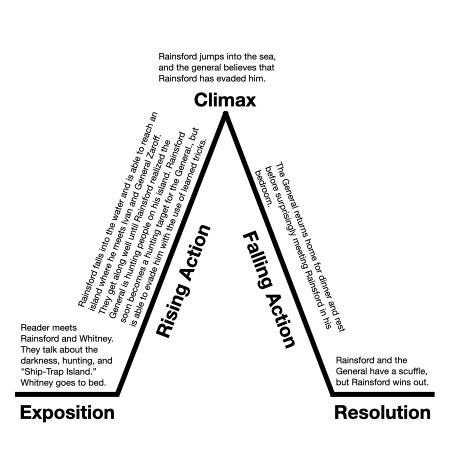
The resolution of the most dangerous game is that Rainsford defeats General Zaroff in a final hunt, taking over Zaroff’s bed, implying Zaroff is dead and Rainsford has won the game.
Have you ever wondered about the chilling conclusion to Richard Connell’s classic story? What is the resolution of the most dangerous game, and what does it truly signify? The story builds intense suspense, leading to a final confrontation that is both brutal and satisfying.
The ending isn’t just about survival, it also delves into themes of hunter vs. hunted and what really makes something civilized or barbaric. It leaves you with questions long after you finish reading.

What is the Resolution of “The Most Dangerous Game”?
Okay, let’s dive deep into the heart of Richard Connell’s thrilling short story, “The Most Dangerous Game.” We’ve all been on the edge of our seats wondering, “What happens at the end?” The resolution, or how the story wraps up, is actually quite exciting and leaves a lasting impression. It’s not just a neat and tidy ending; it’s full of suspense and a little bit of a twist. We’re going to unpack the details of that resolution, exploring what makes it so memorable and how it completes the story’s message about the hunter and the hunted.
Rainsford’s Survival: A Turning Point
First, let’s talk about Rainsford. Remember how he ends up on Ship-Trap Island after falling off his yacht? Well, this hunter quickly becomes the hunted. General Zaroff, the island’s sophisticated and sinister owner, has grown bored with hunting animals and now hunts humans. Rainsford is forced to participate in this deadly game, and the story becomes a desperate fight for survival. This is where the true test of Rainsford’s hunting skills – and intelligence – kicks in. He has to outsmart Zaroff, a man who knows the jungle like the back of his hand.
The Game Begins: A Deadly Hunt
Zaroff gives Rainsford a head start and the supplies. The hunt takes us through the dense and dangerous jungle, creating an atmosphere of intense suspense. We, as readers, are right there with Rainsford, feeling every bit of fear and adrenaline. The author uses vivid language to paint a picture of this terrifying game, making us wonder if Rainsford will live or become another one of Zaroff’s trophies. Rainsford uses his knowledge of the jungle, setting traps to try to slow down and even injure Zaroff.
Rainsford’s Ingenious Traps
Rainsford’s traps are not just simple tricks; they demonstrate his deep understanding of hunting and the environment. He uses his skills to the best of his abilities, placing various booby traps in the forest and trying to make it difficult for Zaroff to reach him. He uses his past experiences to anticipate Zaroff’s hunting strategies. He constructs a Malay man-catcher, a Burmese tiger pit, and a trick involving a knife tied to a sapling. These ingenious actions highlight Rainsford’s resourcefulness and determination to survive. They’re also key to building suspense, because we’re always left wondering if these traps will work or if Zaroff will outsmart him.
The Malay Man-Catcher
This was Rainsford’s first trap which he builds to catch zaroff in an inventive manner. The trap injures zaroff’s shoulder and gives Rainsford the idea that he is capable to defeat Zaroff.
The Burmese Tiger Pit
The second trap which Rainsford makes is a pit. He digs a large and deep pit and fills it with sharp bamboo stakes, concealing it with branches. Zaroff almost falls in but his dog dies in the trap.
The Knife Trap
Rainsford creates a final and deadly trap. He ties a knife on a sapling and when it is released it injured Ivan Zaroff’s bodyguard and the final confrontation approaches.
The Final Confrontation: A Game Changer
Now comes the most exciting part of the resolution: the final confrontation. Zaroff, confident in his superiority, expects to find Rainsford fleeing in fear. However, what he finds is a hunter who’s more than ready for a counter-attack. Rainsford’s experience as a hunter, not just a survivor, shines through. This is not just about escaping; it becomes about winning. It’s a brilliant twist that leaves readers both satisfied and a little unsettled. In a very clever move, Rainsford turns the game on Zaroff.
The Role Reversal
Instead of being the hunted, Rainsford takes on the role of the hunter. He manages to get inside the general’s chateau and surprise him in his bedroom. This moment shows us that Rainsford isn’t just trying to survive anymore. He has made a decision to fight back against this evil man. Rainsford says that he is still a beast, as he had mentioned in the beginning. This moment changes everything in the story. The tables have turned completely, and Zaroff, the great hunter, is now facing his own demise. Rainsford’s unexpected presence makes the climax more compelling.
The Challenge and the Duel
Instead of a quick defeat, Rainsford challenges Zaroff to a final duel. This moment is full of tension. He says, “I am still a beast at bay” and is determined to win the game. This duel isn’t explicitly shown; Connell leaves the details to the reader’s imagination. We don’t see a physical fight, but we understand the outcome through inference. The challenge of the final duel is an effective plot device. It shows the difference between the two characters and gives a solid ending to the story.
The Implied Ending: What Happens to Zaroff?
The ending is very impactful because it’s not spelled out. Instead of a description of a fight, we have Rainsford announcing that he had “never slept in a better bed.” We understand that Rainsford has defeated Zaroff and claimed his bed. The story ends with a dark implication. We don’t see Zaroff’s death, but it’s highly suggested. This ending leaves us contemplating the nature of hunting, morality, and the idea of who is really the beast in the situation. This is an effective way to make readers think about the deeper themes.
Why an Implied Ending Works
The implied ending of “The Most Dangerous Game” works so well because it makes the readers think for themselves. We’re left to piece together the puzzle. This kind of ending is not always common, but it’s very effective in creating a strong, memorable conclusion. It is a masterstroke by Connell to leave readers to interpret the last moments and make them reflect on their own thoughts and morals.
Thematic Resonance
This ending is important because it enhances the story’s key themes. The story explores the thin line between hunter and prey, and how easily one can become the other. Rainsford’s transformation shows that anyone, given the right circumstances, is capable of doing what’s needed to survive. Also, the implied ending makes the readers think about justice, what it means to survive, and how the nature of a beast can change within a person. The final outcome is not just about physical strength but also about intelligence and adaptability.
Key Elements of the Resolution
Let’s recap the main elements that make up the powerful resolution of “The Most Dangerous Game.”
- Role reversal: Rainsford transitions from being the hunted to the hunter.
- Implied violence: The story does not describe Zaroff’s death but the readers can infer it.
- Moral questions: The ending raises questions about the morality of hunting and survival.
- Theme of survival:The end reaffirms the themes of resilience and adaptability.
- Unexpected twist: The shift in the dynamic makes the resolution unpredictable.
The Impact of the Resolution
The resolution of “The Most Dangerous Game” is important because it leaves the reader thinking long after the story ends. The open ending is part of what makes it a literary classic. Instead of tying up every loose end, Connell forces us to consider the implications of the hunt and the moral complexity of the characters. He wants us to think about the story’s message, not just read it.
Lasting Questions
The ending leaves many questions unanswered. Did Rainsford become a hunter, like Zaroff? Or did he simply do what was necessary to survive? Does this experience change Rainsford forever? These are the things that the reader must think about. The ending prompts reflection about the core ideas of the story. We all become active participants in how to finalize the story’s meaning.
A Timeless Conclusion
In essence, the resolution of “The Most Dangerous Game” is not just about who survives, it’s about the themes that it brings to the front, the transformation of Rainsford, and the questions the story leaves with us. The resolution is important for the overall effect of the story and it has been keeping people engaged and intrigued for many years. The cleverness of the conclusion is why the story has been so popular and why readers still analyze it even now.
The Most Dangerous Game Plot Chart
Final Thoughts
The resolution of “The Most Dangerous Game” is quite clear: Rainsford, the hunted, becomes the hunter. He defeats Zaroff in his own deadly game, demonstrating his own survival skills. This shift flips the power dynamic.
The story’s conclusion has Rainsford sleeping in Zaroff’s bed, a subtle yet strong signal of Zaroff’s ultimate demise. Rainsford wins the game, showing his capabilities. The ultimate question, what is the resolution of the most dangerous game, is answered with Rainsford’s victory and survival, he must outwit his opponent.

