
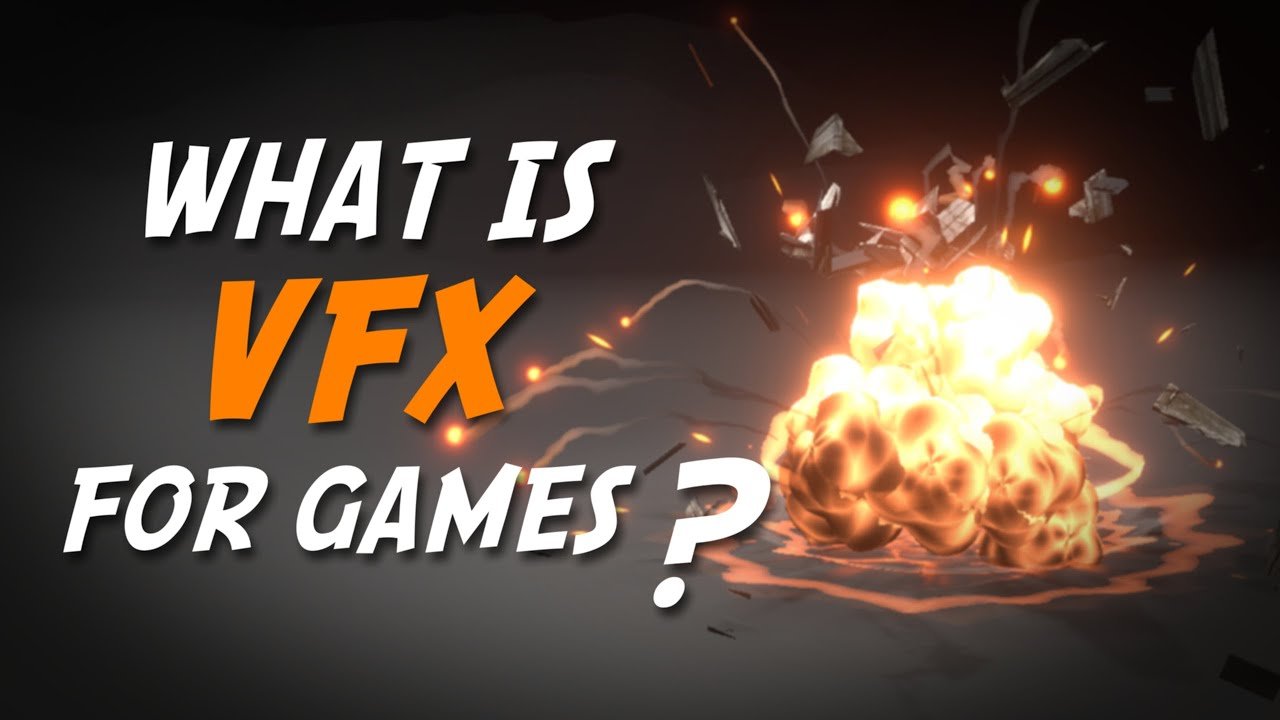
VFX in games are the visual effects added to enhance the game’s look and feel, such as explosions, magic spells, and weather effects.
Ever wondered how games create such stunning visuals? We see vibrant explosions, powerful magic, and realistic weather conditions. It’s all thanks to visual effects or VFX. So, what is vfx in games exactly? It’s the secret sauce, adding that extra layer of polish and immersion.
These effects go beyond simple graphics. They use clever techniques to make games more engaging. They bring game worlds to life. These visual elements are integral to the gaming experience itself.

What is VFX in Games?
Imagine playing your favorite video game. You’re not just seeing characters move around; you’re seeing explosions, magic spells, shimmering portals, and rain pattering on the ground. All these cool effects that make the game feel alive are called Visual Effects, or VFX. In games, VFX are those eye-catching elements that aren’t part of the basic graphics. They add a layer of excitement, realism, and a touch of the fantastical. It’s like the special sauce that makes a game truly delicious. Think of a superhero game, those amazing energy blasts and the way the ground cracks when a heavy character lands are all examples of awesome VFX. They help tell a story, create atmosphere, and guide a player’s attention.
The Building Blocks of Game VFX
Creating these amazing effects isn’t just magic; it involves a mix of technical knowledge and artistic skill. Game VFX artists use special tools and techniques to make things look exactly how the game creators envision them. Let’s look at some key components that make up game VFX:
Particle Systems: The Tiny Building Blocks
Think of a fireworks show. Each tiny spark is a particle, and together, they create a grand visual spectacle. Particle systems in games work similarly. They are a way to generate and control a large number of small elements to simulate things like smoke, fire, dust, and even magical glows. Here’s how particle systems help bring games to life:
- Emitting Particles: The system starts by “emitting” particles from a source, like the tip of a sword or a rocket’s exhaust.
- Controlling Properties: Each particle has properties like size, color, speed, and direction. VFX artists adjust these to get the look they want.
- Animation and Life Cycle: Particles don’t just appear and stay there. They move, fade, and disappear, creating a dynamic and changing visual.
For example, a wizard might cast a spell using a particle system to create a swirling vortex of magical energy. The system controls how many glowing particles appear, how fast they spin, and how they change color over time.
Textures and Materials: Adding Detail and Substance
Textures are like the skin of an object in a game. They add detail and surface characteristics. When you combine a texture with material properties, you can make something appear metal, glass, or even goo. Here’s how they work in game VFX:
- Textures: These are 2D images wrapped around objects that create visual details. A fire texture might show different shades of orange and red, with dark edges for a smoke-like effect.
- Materials: Materials define how light reacts with a surface. They include properties like shininess, roughness, and transparency. Combine a fiery texture with a material that has a glow and you have the start of a fire effect.
For instance, a simple sphere with a metal texture and material will look like a polished ball. Change the texture to a cracked earth look, and use a material that appears dull and rough, and it turns into a dusty rock ready to break. In VFX, these building blocks are often combined together.
Animation and Timing: Making it Move
VFX aren’t static; they move, grow, shrink, and fade. Animation and timing play a big part in making these effects feel real and impactful. It’s about choreographing the sequence of events and keeping them in sync with what’s happening in the game. Here are some ways timing is used in VFX:
- Keyframing: Animation is often done by setting keyframes, where you define the start and end points of an effect, and the computer figures out the in-between.
- Timing and Pacing: A slow-motion effect might be used to highlight a powerful attack. Quick flashes are used for fast actions. The timing of the VFX helps create the appropriate feel to an action.
- Synchronization: VFX must match the audio and the player’s actions. For instance, a character landing hard on the ground should have a shockwave effect that happens at the same time as the sound and the player-controlled landing.
For instance, think about a character charging up for a powerful blast. The VFX might start with a faint glow, grow brighter as they charge up, and end with a big burst of energy when the attack is released. Timing is everything to make the moment feel epic.
Shaders: The Power Behind the Look
Shaders are special little programs that run on the graphics card. They determine how every pixel on the screen should be colored and what it should look like. They have the ability to do some very fancy stuff, and they are the magic behind almost all of the visuals in the game. Let’s look at some cool stuff they can do:
- Lighting and Shadows: Shaders can create realistic lighting and shadows. These shadows add depth and make objects look 3D.
- Surface Effects: Shaders can simulate how light reflects on different surfaces, like water, metal, or glass, adding realism.
- Distortion and Warping: They can create effects like heat haze, water ripples, and magical distortions, adding a touch of magic and making the world feel more alive.
Imagine a puddle of water in a game. Shaders are used to create the reflections, refractions, and ripples that make the puddle look like real water. Shaders are also used for all sorts of magic and special effects, like creating the shimmering heat effect when a jet engine is blasting on the ground.
Types of VFX in Games
VFX are everywhere in games, serving many purposes. Here are some common categories and examples:
Environmental VFX: The World Around You
Environmental VFX are the effects that make the game world feel real and alive. These are things like:
- Weather Effects: Rain, snow, fog, and sandstorms
- Ambient Effects: Dust motes, fog, and fireflies
- Natural Phenomena: Waterfalls, lava flows, and wind effects
These effects add depth to the game and can change how the player experiences the world. For example, a heavy rain effect can make a scene feel somber and moody, while a bright sun effect makes it feel cheerful.
Combat VFX: The Action of Battle
Combat VFX are all about the action. They make fighting feel impactful and exciting. Examples include:
- Explosions and Impacts: Explosions from grenades, bullets, and vehicle collisions, or the impact of a sword hitting a shield
- Energy Blasts and Magic Spells: Projectiles, shields, and special abilities.
- Weapon Trails and Effects: How weapons look when they’re swung or fired.
These VFX are often about creating a sense of power and danger. When a player uses a powerful attack, the VFX should make them feel like they are actually using something incredible.
UI/UX VFX: Enhancing the User Experience
VFX are not just used in the game world, they’re also in the user interface (UI) and user experience (UX) too. These effects make the menus, buttons, and other interface elements feel responsive and engaging.
- Button Feedback: When you press a button, a visual effect can make it feel like you actually pushed something.
- Transition Effects: Animated transitions between menus or screens.
- Highlighting and Guiding: Visual effects that draw attention to important elements, like a new quest or a special item on the screen.
For example, when a player gains experience points, the UI might display a smooth animation of the points going up, along with a sparkle effect that can give them a good feeling.
Character VFX: Adding Personality
Character VFX are all about bringing a character’s personality to life through effects. Here are a few instances:
- Special Abilities: Visual cues for a character’s unique abilities.
- Status Effects: Visual indications of when a character is poisoned, burning, or frozen.
- Costume Effects: Visual modifications to character clothing and armor.
For instance, a character covered in fire could have flames flowing along the edges of their clothes. A character wearing armor might shimmer when hit by light.
The Role of a VFX Artist
VFX artists are the creative minds who design and build these visual wonders. Their job isn’t just technical; it’s about bringing imagination to life. Here’s a glimpse into what they do:
Collaboration
VFX artists work closely with other members of the game development team, including game designers, programmers, and other artists. They need to understand the game’s vision and how the VFX will contribute to it.
Concepting and Planning
VFX artists often start by sketching out their ideas and creating mood boards. These help them visualize how the effects will look and feel. They also plan out all the necessary elements, like textures, colors, and animations.
Creating and Implementing
They use a variety of software tools to create particle systems, textures, materials, and animations. Once the VFX are created, they are implemented in the game and tested to see how they look and feel. This might involve lots of adjustments to make sure the effects work properly and look the best they can.
Optimization
VFX can be demanding on computers, so the artists need to make sure the effects run smoothly. They may use techniques to make sure things run properly without making the game too demanding. This optimization is important so that everyone can enjoy the game.
Tools Used in Game VFX Creation
VFX artists use a bunch of specialized tools to create those eye-catching effects. Here are a few of the popular ones:
- Game Engines (Unity, Unreal Engine): These powerful software packages contain all sorts of tools for creating, implementing, and managing VFX. They have their own built in VFX tools.
- 3D Modeling Software (Blender, Maya, 3ds Max): These are used to create 3D models, sometimes for the base of a VFX effect or for the surrounding environments.
- Image Editing Software (Photoshop, GIMP): These help create and edit the textures for game VFX.
- Specialized VFX Software (Houdini, After Effects): Some VFX artists use specialized tools for complex simulations and visual effects.
The Evolution of Game VFX
Game VFX have come a long way since the early days of pixelated games. As technology improves, so do the visual effects. Here’s a quick look at how things have changed:
Early Days
Early games had simple effects using sprites, which were 2D images. These effects were often blocky and limited.
Advancements
As graphics processing power improved, particle systems became common. This led to more complex and realistic effects. Shaders and advanced materials allowed for even more realistic graphics.
Modern VFX
Today, VFX can create almost any effect you can imagine, from realistic fire to magical explosions. Advancements are still being made. Modern techniques allow for highly detailed and complex simulations and the ability to control and tweak small details that would previously not have been feasible.
Why are Game VFX Important?
VFX are not just for show; they play an important role in the overall gaming experience:
Immersion
VFX make the game world feel more real and believable. When done right, they pull the player into the game and help create a more captivating experience. Imagine the difference between a game with realistic fire and smoke, and one with a very simplified version. The more realistic effects can make it much more involving and immersive.
Engagement
Cool and interesting VFX can make the game more exciting and enjoyable. Players feel more engaged when they see interesting visual effects. They’re interested in experiencing more of the game.
Feedback
VFX provide feedback to the player, so that they know what’s happening. If an attack hits an enemy, there’s an immediate visual effect that lets them know. If a button is pressed, there is a visual cue that lets them know they pressed it.
Storytelling
VFX can help tell a game’s story and set the mood. They give clues to the game’s background and atmosphere. The visual styles of magic effects, for example, can tell a player the game is set in a fantasy setting.
In short, VFX is a vital part of modern video game creation. It helps bring games to life, keeps players engaged, and helps enhance the overall quality of the gaming experience.
So, next time you are playing a video game, take a moment to appreciate the amazing art and work that has gone into all of the visual effects that have been designed and created. You’ll probably be amazed at just how much visual effects are influencing the experience that you are having.
How the Visual Effects In Games Actually Work
Final Thoughts
VFX in games are visual effects. These enhance gameplay with impressive visuals. Think explosions, magic spells, or environmental changes. They add realism and engagement.
These visual elements make game worlds more immersive. VFX provides feedback to players. They are crucial for a captivating experience. So, what is vfx in games? It’s the art of bringing games to life.

