
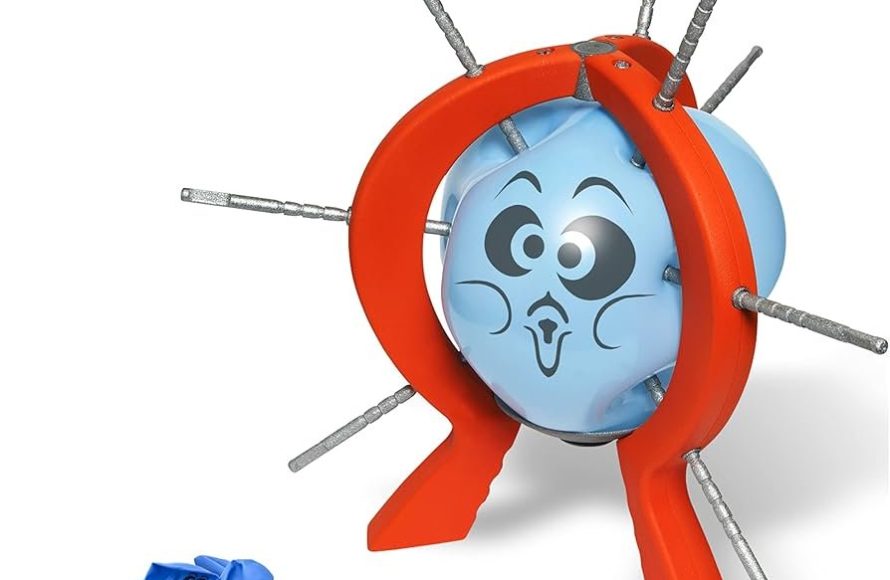
‘The goal of the dont pop the balloon game is to keep a balloon airborne for as long as possible without letting it touch the ground or any other surface, and, obviously, without popping it.’
Have you ever tried keeping a balloon floating mid-air? It’s a simple, yet surprisingly engaging activity. The challenge lies in maintaining that delicate balance. That’s essentially the core of the dont pop the balloon game, a classic that can entertain kids and adults.
It requires focus, coordination, and often a lot of laughter. From indoor parties to outdoor gatherings, this game creates fun memories. It is also a cheap activity that is easy to organize.

Don’t Pop the Balloon Game: A World of Fun and Learning
Let’s dive into the wonderfully simple, yet surprisingly engaging world of the “Don’t Pop the Balloon” game! It’s a game that most kids (and even some grown-ups!) know and love. But there’s more to it than just trying not to burst a balloon. This game is a fantastic way to encourage patience, develop fine motor skills, and create loads of giggles. Whether you’re planning a birthday party, a classroom activity, or just a fun afternoon at home, this game has got you covered.
The Basic Concept: It’s All About Control
At its core, the “Don’t Pop the Balloon” game is straightforward. You have a balloon, and the goal is to move it around without letting it touch anything sharp or pointy that could pop it. Think of it as a gentle dance with a delicate partner – the balloon! Sounds easy, right? Well, that’s where the fun and the challenge begin. It’s not just about being careful, it’s about learning how to control your movements. The game tests how well you can coordinate your hands and how slowly you can move. This makes it a great way to develop key motor skills in a fun, playful way.
Why Kids Love This Game
Kids are drawn to this game for several reasons. For one, there’s the exciting anticipation of the pop. Although the aim is to avoid it, the possibility of a burst adds a thrill. The simple nature of the game makes it easy to grasp for children of all ages. There’s no complicated rule book or tricky techniques to learn. Just a balloon, some space, and lots of careful movements. Also, “Don’t Pop the Balloon” often becomes a cooperative game, where kids work together, helping each other avoid a pop. This boosts social interaction and team spirit.
Variations to Keep the Fun Going
While the basic game is great on its own, there are many ways to shake things up and keep the excitement going. Here are a few fun variations you can try:
The Movement Challenge
This variation adds a physical element to the game. Instead of just moving the balloon with your hands, you can introduce different ways of movement. For example:
- Blowing the Balloon: Try to move the balloon across a designated area only by blowing on it. This really tests lung power and control.
- Head Bumps: Can you move the balloon across the room by gently bumping it with your head? This hilarious version is guaranteed to bring on the giggles.
- Foot Power: Guide the balloon with your feet. This challenges coordination and flexibility.
- Partner Play: Try moving the balloon as a team, using your heads or backs.
The Obstacle Course
Transform your playing area into an obstacle course! Use cushions, chairs, blankets, or anything else you have at hand to create a path. Players have to navigate the balloon through the course without popping it. You can make the obstacle course as simple or as complicated as you like, adjusting to the age and abilities of the children. It not only adds an extra layer of difficulty but also develops spatial awareness. It’s great for creativity and planning too. You can encourage children to help design the course before you begin.
The Time Trial
Introduce a timer into the game! See how quickly you can move the balloon from one point to another without popping it. This adds a competitive element and encourages players to move quickly, but carefully. This variation is wonderful for building a sense of timing. You can use a regular stopwatch, or even create a challenge within a minute, seeing how many times the balloon can be moved from one place to the other.
The Passing Challenge
This variation is ideal for groups of kids. Have the players stand in a circle, and pass the balloon to each other without letting it drop or pop. This helps with team skills and collaboration and can also be modified further. For instance, instead of passing to the person next to you, you could have the children call each other’s names before passing the balloon. This helps with building and improving cognitive functions like memory and processing speed.
Themed Play
Add some themed fun to the game. For example, if you’re having a space-themed party, pretend the balloon is a planet that you need to move carefully through the solar system. If the children love animals, turn the balloon into an animal they have to move through the jungle. Using themes adds a creative angle and enhances the fun for everyone.
Setting Up for Success
Getting ready for a great game of “Don’t Pop the Balloon” is easy. Here are a few pointers to ensure smooth play:
Choosing the Right Balloon
The type of balloon matters. While any balloon will work, latex balloons tend to be more fragile than Mylar balloons. For younger children or beginners, Mylar balloons might be a good choice because they are more resistant to popping. Also, if your play area is rough, consider a balloon with a thicker surface. The size of the balloon is something to consider as well. A larger balloon might be easier for younger kids to handle while a smaller one might challenge older players. Try different types and sizes to see what your children find most enjoyable.
Preparing the Play Area
Before you begin, check the play area for any potential hazards. Remove anything sharp or pointy, like pencils, toys with edges, or furniture with sharp corners. Make sure there’s enough room for movement. A wide-open area is always best for preventing accidental pops. If you are playing outside, check for sticks, rocks, and any other natural sharp objects. The safety of the players is the most important consideration while preparing the play area.
Setting the Ground Rules
Before starting the game, explain the rules clearly to the children. Make sure everyone knows what they are trying to achieve – to move the balloon without popping it. Talk about different techniques they can try such as moving slowly, using gentle touches, and working as a team when needed. Set up clear boundaries for play to avoid chaos, and remember to have fun and be encouraging.
Learning Through Play
While it looks simple, the “Don’t Pop the Balloon” game is great for fostering growth in several areas of child development.
Developing Fine Motor Skills
This game requires players to use precise and controlled movements to maneuver the balloon. Actions such as gently tapping or blowing require careful use of hand and face muscles. This helps in developing the control of these muscles, improving dexterity, hand-eye coordination, and other fine motor skills. The constant need for adjustments in movement makes this activity a subtle workout for small muscles.
Boosting Patience and Focus
Patience is key in this game. Rushing can easily cause a pop. Players need to concentrate and move slowly to ensure success. This enhances focus and improves the ability to wait for desired results. It teaches the value of steady and deliberate actions instead of hasty moves. These skills are important in a range of settings, from academics to everyday tasks.
Enhancing Social Skills
When played in groups, “Don’t Pop the Balloon” promotes teamwork and cooperation. Children learn to collaborate, communicate effectively, and support each other. The nature of the game often pushes kids to work together, making it an ideal way to encourage positive interactions. This not only fosters friendships but also teaches the value of sharing and helping others.
Encouraging Problem Solving
Different challenges in this game can force players to think on their feet. When faced with an obstacle, they have to consider the best ways to move the balloon. This enhances their problem-solving skills and critical thinking abilities. It also encourages them to explore different techniques and find effective methods to achieve their goals. This promotes adaptability and boosts creativity.
Adapting the Game for Different Ages and Abilities
One of the best things about the “Don’t Pop the Balloon” game is that it can be easily adapted to suit different ages and abilities. Here are some tips for adapting the game to a specific audience.
Toddlers and Preschoolers
For younger children, it’s best to keep things simple. Use larger balloons, make the play area clear of obstacles, and focus on gentle movements. You can also encourage them to move the balloon by blowing on it, gently pushing it, or using their heads. The key is to focus on developing basic motor skills and enjoying the game at their own pace.
Elementary School Kids
Older children might enjoy more complex versions of the game, like timed challenges or more elaborate obstacle courses. Try variations that require more cooperation and teamwork. You can also introduce competitive elements, always emphasizing fair play and fun. They can also take a role in designing games or setting rules, enhancing their problem-solving abilities and creativity.
Children with Special Needs
Adjust the game based on each child’s specific needs. Provide extra help when needed, simplify the rules, or change the type of movement as needed. The primary goal is to make the game inclusive for everyone. For children with limited mobility, focus on activities that require small hand and facial muscle movement. For those with sensory sensitivities, ensure the environment is calm and comfortable. This way everyone can participate and enjoy the fun.
Safety First!
While “Don’t Pop the Balloon” is generally a safe game, it’s important to keep a few safety guidelines in mind:
Choking Hazard
Balloons, especially deflated or broken ones, can pose a choking hazard, particularly for young children. Always supervise children during play and make sure no one puts balloon pieces in their mouth. Discard broken balloons immediately.
Latex Allergies
Some individuals may have latex allergies. If this is the case, opt for latex-free alternatives, like mylar balloons. If symptoms of allergy do appear, stop the play and take appropriate measures immediately.
Supervision
Adult supervision is always important, particularly with younger children. Ensure the playing area is safe, and the rules are clearly understood by all. Adult presence ensures that any accident or mishap is dealt with swiftly and efficiently.
Why “Don’t Pop the Balloon” is a Timeless Classic
What makes “Don’t Pop the Balloon” so appealing is its simplicity. The basic version needs nothing more than a balloon and a group of enthusiastic people. It is a game that can easily be adapted to fit the audience and the playing area. It’s the type of activity that’s always a welcome addition to any gathering. It creates many smiles and memorable moments. This activity goes beyond just being fun. It’s a great way to foster important life skills, that are essential for growing and learning. It’s a timeless classic that continues to bring joy to children and adults across the world.
So, whether you’re planning your next birthday party, looking for a great classroom activity, or simply seeking an entertaining way to pass the time, “Don’t Pop the Balloon” is always a fantastic choice. It’s simple, it’s fun, and it offers a wealth of learning opportunities. So, grab some balloons and prepare for fun and lots of laughter!
DO NOT POP THE BALLOON IN ROBLOX!
Final Thoughts
Don’t Pop the Balloon game provides simple fun and teaches valuable lessons. The game emphasizes strategy, patience, and the must use of gentle touch. It’s a surprisingly engaging activity.
This easy to set up game offers quick entertainment for all ages. The objective of ‘dont pop the balloon game’ is simple: don’t let it pop! It’s a great option for gatherings.

