
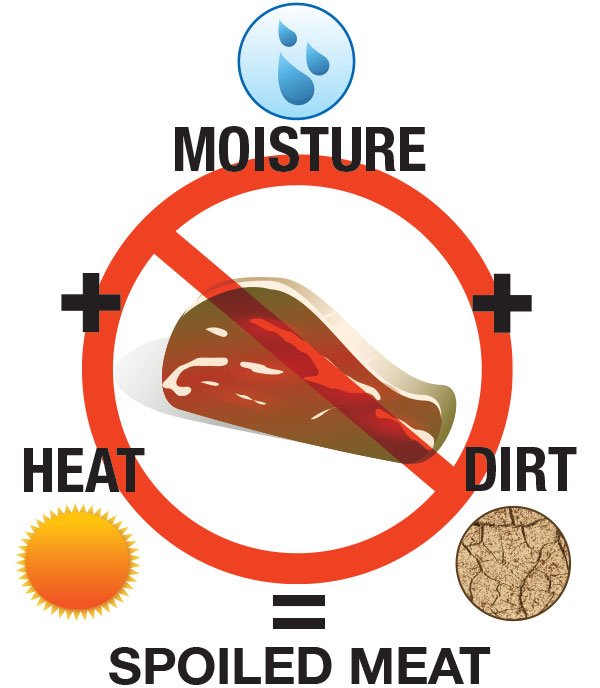
Improper field dressing, delayed cooling, inadequate storage temperatures, and contamination can spoil the meat from the game.
Imagine the thrill of a successful hunt; now, what might spoil the meat from the game? It’s a thought every hunter should consider. Proper handling from field to freezer is paramount for safe and delicious wild game.
Failing to quickly cool the carcass after the hunt is a common issue and that is the crucial time, bacteria multiplies rapidly. Similarly, allowing the meat to come into contact with dirt or unclean surfaces risks contamination.

What Might Spoil the Meat From the Game
Getting meat from hunting is a great way to put food on the table. But, it’s super important to handle that meat carefully. If you don’t, it can spoil, which means it won’t be safe or tasty to eat. Let’s talk about all the things that can go wrong and ruin your hard-earned game meat. From the moment you take down an animal to the time it hits your plate, many things can cause it to spoil. We’re going to cover all of them, so you can become an expert at keeping your game meat safe and delicious.
The Initial Kill and Field Dressing
The problems can begin right after the animal is harvested. How you handle the animal in the field can make a huge difference in the quality of the meat. Things like temperature, gutting, and cleanliness all play a role.
Temperature
Temperature is a big enemy when it comes to fresh meat. Bacteria love warm temperatures, and they multiply super fast. The warmer the meat, the faster it spoils. Think of it like this: leaving a cooked hamburger out on the counter for a few hours is bad, and the same is true for freshly harvested game. If the weather is warm, the meat needs to cool down quickly. The “danger zone” for bacteria is between 40°F and 140°F (4°C and 60°C). You want to get that meat below 40°F as quickly as possible. This is especially true for the internal temperature of the animal. The deeper the cut the slower it takes to cool down.
Here are some things to think about:
- Time of year: Hunting in warmer weather means you need to work faster. In colder weather, the meat will cool down naturally at a quicker rate.
- Size of the animal: A big animal like an elk or deer will take longer to cool than a rabbit. Larger animals retain heat for much longer periods.
- Air circulation: If the animal is in a bag, heat is trapped and will not dissipate easily.
- Field Dressing: Field dressing an animal properly is critical to its cooling. Removing the entrails allows for faster cooling of the animal.
Gutting (or Field Dressing)
Field dressing (gutting) is the process of removing the internal organs. It’s important to do this as soon as possible after the animal has passed. The gut contains a lot of bacteria and digestive fluids, which can contaminate the meat. The longer you leave it in, the more the meat can be affected. This process needs to be done carefully. Make sure to use a clean knife. Try not to puncture any of the organs. If you do get some intestinal contents on the meat, you must wash it off well. Use clean water, if you have any. After you are done, you should inspect the animal for any damage to the meat. Look out for evidence of the animal being sick.
Cleanliness
Always make sure you are clean when handling meat. Bacteria, dirt, and debris can easily get on the meat and cause problems. A clean knife, clean hands, and clean bags or wraps are essential. If you can, use a water source and soap to clean. Even wiping your hands with a wipe is better than nothing. Keep the meat away from the ground when you are handling it.
Transportation and Storage
Once the animal has been field dressed, you must move it to a place where it can be processed and stored properly. This part of the process is critical. How you move and store the meat can affect its quality.
Transportation
Don’t just toss the animal in the back of a truck. You want to protect it from dirt, sun, and insects. If it’s a smaller animal, you can place it in a cooler with ice. If it’s a larger animal, you may need to move the carcass to a truck or a trailer. Ensure there is proper airflow around the animal to keep the meat cool. If the weather is warm you need to cool the carcass. If it is a large animal, you can put bags of ice on the meat to start cooling it. Try to move the meat to a cooler location as soon as possible. Keep it out of direct sunlight. Think about how far you have to travel. If it’s a long journey, you may need to pay extra attention to the storage. Consider using some type of ice on larger animals. Transport the animal in a way that prevents any contamination of the meat from fluids, dirt, or any other outside contamination sources.
Storage
After you transport the meat to your destination, you need to store it properly. Improper storage can make the meat go bad quickly. The most important thing is temperature control. You can use refrigeration or freezing. These two will keep the meat safe and slow down the activity of the harmful bacteria.
Refrigeration
Refrigeration is good for short-term storage, usually a few days or a week. The temperature should be below 40°F (4°C). Make sure the meat is wrapped correctly. Use meat paper, plastic wrap, or sealable bags to prevent any cross contamination or freezer burn. It also prevents the meat from drying out, which affects the texture and flavor. It is a good idea to refrigerate meat before freezing if you have the time. This will further slow any bacteria growth. Make sure your refrigerator is clean. Avoid putting raw meat on shelves where prepared food is stored. Try to keep it separate.
Freezing
Freezing is great for long-term storage. It stops bacterial growth and can keep the meat good for many months. But you must do it correctly to maintain the quality of the meat. First, make sure the meat is completely cool before you freeze it. Freezing warm meat may cause freezer burn. Use freezer bags, butcher paper, or a vacuum sealer. Make sure to push all the air out of the packaging. The air will cause the meat to dry out and get freezer burn, which can ruin the taste. Proper freezing slows down oxidation of fats. This prevents the meat from developing a rancid or bad taste.
Here are some best practices for freezing:
- Wrap Tightly: Use freezer-safe wrapping.
- Label Clearly: Date your packages so you know how long the meat has been in the freezer.
- Quick Freeze: Make sure to get the meat frozen quickly as possible.
- Avoid Temperature Fluctuations: Ensure your freezer maintains a steady temperature.
Remember to thaw your meat in the refrigerator. Don’t leave it out on the counter or in a sink of water. Those methods can allow bacteria to grow.
It is also important to store your meat at a temperature of 0°F (-18°C) or lower. This is to ensure that bacteria cannot grow. Bacteria will cause food poisoning. This is why temperature is the key factor to good, safe meat.
Common Mistakes That Cause Spoiled Game Meat
Even if you do everything right in the beginning, some common mistakes can lead to spoiled meat. We must be aware of them to avoid them.
Poor Hygiene
Not cleaning your hands, tools, or workspace is a big no-no. Remember, bacteria can come from anywhere. That means they can come from your hands, your clothes, your truck, and your tools. Always keep everything clean. Wash with soap and water if you can. Wipe down all surfaces and be careful when handling the meat. If you do have to touch something with bare hands, make sure you re-wash your hands as soon as possible. If you do not keep things clean it will lead to contamination.
Delayed Processing
If you wait too long to field dress or process your animal, it gives bacteria a big head start. Get that meat cooling down as soon as possible. Once the animal has been harvested, you need to start the clock and move quickly. Field dressing, and then getting the meat into the freezer or refrigerator should be done quickly.
Improper Cooling
As mentioned earlier, if you don’t cool the meat fast enough, it will spoil. Heat is the biggest enemy, so make sure you get that meat cooled down as soon as possible. This is done with good airflow, use of ice, and proper storage, either in a refrigerator or freezer.
Cross-Contamination
If you allow the meat to come into contact with other items, like raw chicken, or unwashed items, you risk cross-contamination. Keep raw meat separate from other foods, especially prepared foods, to prevent this. Use separate cutting boards and utensils. Make sure to thoroughly wash anything that has touched raw meat. This is important to avoid bacteria or parasites that could make you sick.
Poor Packaging
Not wrapping your meat properly when storing it in the freezer can lead to freezer burn. Also, if you don’t seal the meat completely, it can dry out. This will affect the flavor and texture. Always use freezer-safe packaging and seal it tightly, getting as much air out as possible.
Signs of Spoiled Game Meat
It’s important to know how to tell if your meat has gone bad. Sometimes, the signs are obvious. But other times, you must be a detective. Here are the signs to look for:
- Bad Odor: If the meat smells bad, like ammonia, sour, or something “off,” it’s likely spoiled. Spoiled meat will have a distinct and unpleasant odor.
- Slimy Texture: If the meat feels slimy or sticky to the touch, it’s probably not safe to eat. Fresh meat should feel moist, not slimy.
- Discoloration: If the meat looks gray, green, or brown, rather than a healthy red, it could be spoiled. Fresh meat should have a vibrant color.
- Mold: If you see any mold, fuzzy spots, or anything that looks unusual, throw it away. Mold can be dangerous and cause health problems.
When in doubt, throw it out. It’s better to be safe than sorry, especially when dealing with wild game meat. Food poisoning is no fun.
How to Prevent Spoilage
Following all these steps may seem like a lot. Here’s a summary of the best ways to ensure your game meat remains in the best possible condition.
Quick Action
From the moment the animal is harvested, you need to start working. There is no time to delay. Once the animal has passed, you must do the field dressing. The entrails must be removed to allow the meat to cool quickly. Cleanliness is key here. Work quickly, be sure to keep everything clean, and proceed with all the steps of meat processing.
Temperature Control
Keeping the meat cold is the number one factor in making sure the meat stays good. Always be aware of the temperature, and keep your meat out of the danger zone. This is from 40°F to 140°F (4°C and 60°C). Use ice, shade, and refrigeration to make sure your meat stays cold. Remember, this is even before processing the animal.
Cleanliness
Always ensure you and your workspace is clean. Wash your hands, tools, and any surfaces that have touched raw meat. Do this frequently. When you’re done, always do a thorough cleaning of everything. This will prevent cross contamination.
Proper Packaging
When storing your meat, whether in the refrigerator or freezer, make sure you use proper packaging. Seal it tightly and push out as much air as you can. Label everything and make sure to properly rotate your meat.
Thorough Cooking
Lastly, make sure you cook your game meat to the right internal temperature to kill any bacteria that might have survived. This will make it safe to eat. This is the final step to ensure food safety.
By paying close attention to these steps, you’ll have safe, great-tasting game meat every time.
Game meat is a delicious and rewarding part of hunting. With careful handling and proper storage, you can enjoy your harvest for many months. By knowing all the things that can cause your meat to spoil, you will prevent problems, ensuring a fantastic meal. Remember that food safety is always the top priority when handling meat. Take care, be safe, and have a fantastic time hunting and eating.
This will SPOIL your wild game meat #shorts
Final Thoughts
Improper field dressing and inadequate cooling pose the greatest risks to game meat quality. Warm temperatures accelerate bacterial growth. This can quickly spoil your harvest.
Contamination from gut contents or external sources also presents a significant threat. Careful handling is always crucial to prevent issues. Remember what might spoil the meat from the game: poor practices and lack of attention to detail. Game meat handling is an art and a science that requires respect.

