
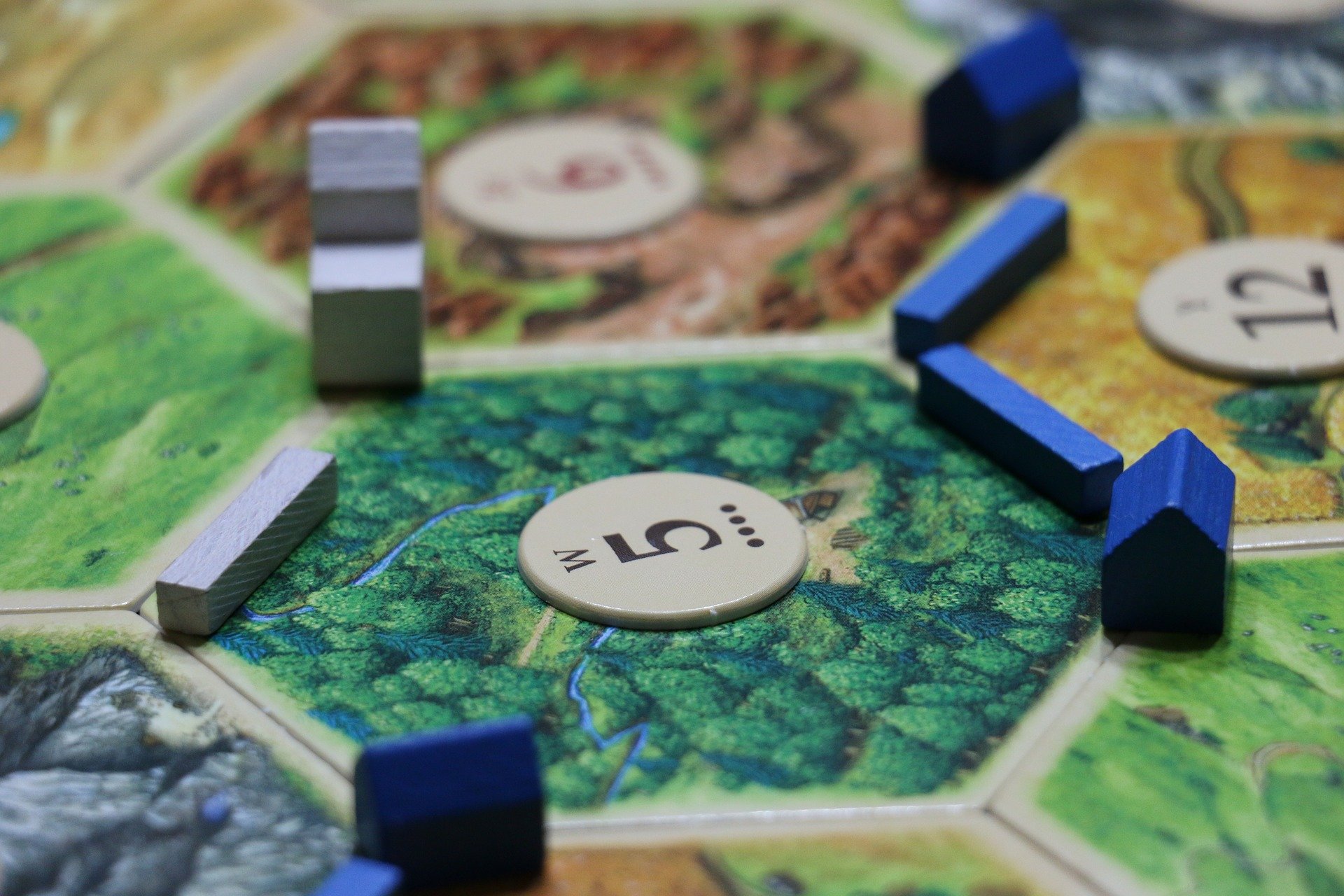
A tabletop game is a game played on a flat surface, usually a table, using physical components like dice, cards, and tokens.
Ever wondered what exactly constitutes a night of fun with friends, but isn’t a video game? You might be thinking of something like a board game or a card game, and you would be right on the money! What’s a tabletop game, you ask? Well, it’s simply any game that you play on a table with physical pieces.
These games can span many genres, from cooperative adventures to competitive strategizing. They provide a fantastic social experience, allowing for interaction and laughter with others. Tabletop games offer a unique escape from screens.

What’s a Tabletop Game?
Have you ever sat around a table with your friends or family, laughing, strategizing, and maybe even arguing a little (in a fun way, of course!)? If so, you’ve probably already experienced the joy of a tabletop game! But what exactly is a tabletop game? It’s a big question with a wonderfully varied answer, because tabletop games come in all shapes and sizes, with all sorts of amazing themes and ways to play.
At its heart, a tabletop game is any game that’s played on a flat surface, usually a table. This could be a board game with a colorful playing surface, a card game with a deck of specially designed cards, a role-playing game where you create your own character, or even a game that just uses dice and your imagination. The best thing about tabletop games is that they encourage people to interact directly, creating shared memories and strengthening bonds. It’s not just about winning; it’s about the journey you take with the people you play with.
The Different Types of Tabletop Games
The world of tabletop games is vast and exciting, and it can be helpful to break them down into some key categories. This helps us understand the different kinds of fun that await!
Board Games
When many people think of tabletop games, board games are the first thing that comes to mind. These games feature a central board, often with spaces, tracks, or paths. Players move pieces around the board based on dice rolls, card draws, or strategic choices. Board games come in many themes, from exploring ancient lands and building empires to saving the world from monsters and trading resources. Some popular examples include:
- Monopoly: The classic game of buying and trading properties.
- Ticket to Ride: Collect train cars and build railway routes across the map.
- Catan: Gather resources, build settlements and cities, and compete for dominance.
- Pandemic: Work as a team to stop the spread of deadly diseases.
- Chess and Checkers: Timeless classics of strategy and skill.
Board games are a fantastic way to learn about strategy, planning, and sometimes, even a bit of luck! They often involve a defined end goal and can be a great way to engage with your brain and friends at the same time.
Card Games
Card games are another huge part of the tabletop gaming world. These games use a deck of cards, often with special symbols, numbers, or pictures. The goal can vary widely, from matching sets and completing sequences, to building strategic combinations or trying to be the last player with cards in hand. Card games are very diverse, with examples like:
- Poker: A classic game of bluffing, betting, and hand rankings.
- Uno: A fast-paced game of matching colors and numbers to be the first to get rid of all of your cards.
- Magic: The Gathering: A complex collectible card game where you build decks and engage in wizard duels.
- Go Fish: A simple game for young children, where you collect sets of matching cards.
- War: A basic card game where you try to win cards from your opponent.
Card games can be played with just two people or with a larger group and are super portable. That makes them perfect for taking to picnics, parties, or vacations. Some card games are very easy to learn, while others offer deep strategic depth.
Dice Games
Dice are often a key component of tabletop games. Sometimes, a game uses dice as the main tool. These are referred to as dice games. Players roll dice to determine movement, resource gain, or action outcomes. Dice games offer simplicity and speed, relying on chance with some strategy. Examples include:
- Yahtzee: Roll dice to create scoring combinations.
- Farkle: Roll dice and try to achieve specific combinations without losing all your points.
- Bunco: A fun and social dice game, often played in groups.
- Dice Throne: A dice rolling combat game with player character powers.
Dice games are all about trying your luck and seeing what the roll brings. While there can be a little bit of planning involved, they often rely heavily on the randomness of the dice.
Role-Playing Games (RPGs)
Role-playing games, sometimes abbreviated as RPGs, are a unique kind of tabletop game. Here, players take on the roles of fictional characters and participate in a story guided by a game master. The game master, or GM, is in charge of the story, describing the setting, and managing the actions of non-player characters (NPCs). Players use dice rolls to determine if their characters’ actions succeed, and the result can vary according to the story’s setting and the character’s skill sets. Popular RPGs include:
- Dungeons & Dragons (D&D): The most well-known RPG, where players explore fantasy worlds.
- Pathfinder: A fantasy RPG similar to D&D, with a detailed rules system.
- Call of Cthulhu: A horror-themed RPG based on the writings of H.P. Lovecraft.
- Starfinder: A science-fantasy RPG where you explore the cosmos.
RPGs are all about collaborative storytelling and imagination. They allow players to really become part of the world and experience a story from a personal perspective. They often require a larger time commitment, as games can last for several hours or even multiple sessions.
Miniature Games
Miniature games blend strategy with visual appeal. They involve using detailed miniature figures to represent units and characters on a game board, often with detailed terrain. Players maneuver their miniatures and engage in battles, utilizing rulers and dice. These games can be quite intricate and have lots of moving parts. Popular examples include:
- Warhammer 40,000: A sci-fi game of futuristic warfare, with detailed miniatures.
- Warhammer: Age of Sigmar: A fantasy game with a wide range of unique factions.
- X-Wing: A space battle game using starfighter miniatures.
Miniature games provide both strategic and creative outlets. Players often invest time painting and customizing their miniatures, making it a very personalized experience.
Why Do People Play Tabletop Games?
Tabletop games are popular for a bunch of reasons. They are not just fun, but they also offer other benefits that you might not expect!
Social Interaction
In a world that’s becoming more and more connected by technology, it’s easy to lose that personal, face-to-face time with the people we care about. Tabletop games bring people together, encouraging conversation, laughter, and shared experiences. They offer a break from screens and the digital world, giving us a chance to connect and have fun with the people around us.
Cognitive Benefits
Playing tabletop games is like a workout for your brain. Many games require strategy, problem-solving, planning, and even some basic math skills. These games can help improve your memory, critical thinking abilities, and decision-making skills, all while having a great time. They can be helpful for learners of all ages!
Creativity and Imagination
Role-playing games especially foster creativity and imagination. When you play an RPG, you are not just following instructions but actively participating in the creation of a story. You get to come up with creative solutions to problems, make choices for your character, and become a part of the unfolding narrative. Even other types of tabletop games can involve a touch of creativity, as players devise strategies and try to outsmart their opponents.
Stress Relief
Sometimes we all need to take a break from the stress of our daily lives. Tabletop games offer a fun, engaging way to relax and unwind. Focusing on a game helps you forget about your worries for a while and have some fun. This is a great way to recharge your mental batteries and come back to your tasks with a fresh mind.
Learning New Things
Many tabletop games are educational and teach us new things. Some games involve historical themes or use knowledge of different cultures or sciences. These games can be a great way to learn, sometimes without even realizing it. They can also be a fun way to explore new subjects or topics that you may never have thought about before.
Friendly Competition
Tabletop games offer opportunities for friendly competition. The thrill of trying to win, combined with the social interaction of playing with others, makes for an exciting and enjoyable experience. It’s a safe and fun way to be competitive, and it’s all in the spirit of fun.
How to Choose a Tabletop Game
With so many different games available, how do you even begin to choose one? Here are some points to consider:
Number of Players
Some games are only designed for two players, while others can accommodate up to 10 or more. Make sure to pick a game that matches the number of people who will be playing. If you are choosing for a group, know how many will be present. You don’t want anyone to feel left out!
Complexity
Tabletop games can range from very simple to extremely complicated. If you are just beginning your tabletop gaming journey, start with games that are easy to learn and have simple rules. You can move onto more complex games after you have gained experience.
Theme
The theme of the game can make a huge difference in enjoyment. If you enjoy science fiction, look for games with space or futuristic themes. If you are into fantasy, look for games with magic, dragons, or castles. Pick a game with a theme that you know everyone will enjoy. This makes it more engaging for everybody.
Playing Time
Some games only take 15-20 minutes to play, while others can take several hours. Make sure to choose a game that you have time to play. If you only have an hour, pick something quick, so you don’t have to quit halfway through. If you have more time, you can pick a longer game that takes up more of your schedule.
Your Group’s Preferences
Make sure to consider the preferences of the people you will be playing with. Do they enjoy strategy games, card games, or RPGs? Choosing a game that everyone will like ensures an overall positive experience.
Where to Find Tabletop Games
You can buy tabletop games from different places. Here are a few:
- Local Game Stores: These stores often specialize in tabletop games. They usually have knowledgeable staff who can help you pick out a game you will enjoy.
- Online Retailers: Websites like Amazon, Target, and Walmart have lots of different games to choose from. This can be handy because you can have the games delivered right to your door!
- Big Box Stores: You can also find tabletop games in bigger stores, such as Target and Walmart. While you won’t find the more specialized games that local game stores might have, they have plenty of classics and mainstream releases.
- Thrift Stores and Yard Sales: If you are looking for deals or used games, check out thrift stores and yard sales. You may be able to find older games or games that are out of print for a cheaper price!
The Joy of Tabletop Gaming
Tabletop games offer so much more than just entertainment; they provide a chance to connect with friends and family, engage our minds, and experience stories together. Whether you’re a seasoned player or a newcomer, the world of tabletop games has something special to offer everyone. So, gather some friends, pick out a game, and get ready to roll the dice, draw some cards, or embark on an epic adventure!
What Is A Tabletop Role-Playing Game?
Final Thoughts
Tabletop games provide interactive fun through physical components. They foster social interaction and strategic thinking. Players engage with rules, dice, and cards.
What’s a tabletop game? It’s a broad category encompassing board games, card games, and role-playing games. These games offer a tangible experience. They rely on player participation and creativity for enjoyment.

