
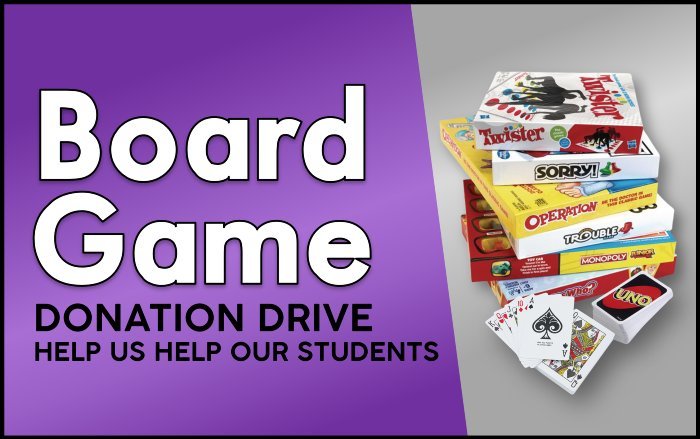
You can donate board games to local charities, schools, libraries, hospitals, and senior centers.
Do you have a stack of board games gathering dust? Perhaps you’re wondering, “where can i donate board games?” Many organizations would greatly appreciate your unused games.
Donating is a wonderful way to give your games a new lease on life. It also helps you declutter and brings joy to others.
Consider local options first, as they directly benefit your community. Many places are happy to accept these types of donations.

Where Can I Donate Board Games?
So, you’ve got a stack of board games collecting dust? Maybe you’ve outgrown
them, or perhaps you’ve just got too many. Instead of letting them sit
unused, why not give them a new life by donating them? There are lots of
great places that would love to receive your gently used games. Figuring out
where to donate board games can feel a bit overwhelming, but this article is
going to guide you through all of your options. We’ll explore various
places, from local charities to schools, and make sure your games find a
home where they will be enjoyed. Let’s jump right in and find the perfect
place for your games!
Local Charities and Non-Profits
Many local charities and non-profit organizations are always in need of
donations like board games. These organizations often work directly with
families, children, or people in need, and board games can be a wonderful
addition to their resources. Here are some specific places to consider:
Homeless Shelters
Homeless shelters often provide a safe and supportive environment for
individuals and families who are experiencing homelessness. Board games are
a fantastic way to offer a bit of fun, relaxation, and social interaction.
Think about how a simple game can give a child a sense of normalcy during a
difficult time or give an adult a positive activity to engage in with
others. Before you go, give the shelter a quick call or check their website
to see if they have specific game requests or guidelines for donation
drop-offs. Many shelters appreciate knowing what they’re receiving, making
the process easier for everyone.
Children’s Homes and Orphanages
Children’s homes and orphanages are places where children need play, fun,
and connection. Board games are ideal for fostering these needs. These games
help children develop social skills, enhance problem-solving skills, and
give them a way to connect with their peers and caregivers. When donating,
focus on games that are in good condition, have all their pieces, and are
age-appropriate. Games that promote teamwork and cooperation are often very
welcome. A thoughtful donation here can bring a lot of joy to children who
deserve it.
Community Centers
Community centers are hubs for social activities in local neighborhoods.
They offer a wide range of programs and services to people of all ages.
Board games can play a big part in their activities, giving people a chance
to socialize and relax. From family game nights to after-school programs,
these spaces can put your donations to good use. Reach out to your local
community center to inquire about their donation process. Many centers have
specific collection dates or locations. Donating to a community center helps
ensure that your board games will be shared with lots of different people in
your area.
Local Food Banks
Food banks primarily focus on providing food, but many also accept other
essential items, including board games. While it might not be the first
thing that comes to mind for them, families who use food banks also need
ways to spend time together and have fun. Food banks often have distribution
centers where families can pick up more than just food and your board games
can be a welcome surprise. Before donating, contacting the food bank
directly or checking its website will confirm whether or not they accept
board games and where you can drop them off.
Schools and Educational Programs
Schools and educational programs are always looking for new and engaging
learning materials, and board games can be a fantastic addition to classrooms.
Here are some ideas on how your games can benefit young minds:
Elementary Schools
Elementary schools are an ideal place for donating board games. Teachers
often use games to teach math, reading, and problem-solving skills.
Age-appropriate games can make learning more enjoyable and can also be used
during indoor recess or after school programs. When donating to an
elementary school, focus on games that are straightforward and have clear
instructions. Teachers often appreciate a mix of strategy games, word games,
and number games. Connect with your local school’s office or your child’s
teacher to see what kind of donations they need.
After-School Programs
After-school programs provide a safe and engaging environment for students
when the regular school day is over. Board games can be a great way for
these programs to keep children entertained, learn new things, and build
relationships with one another. These programs frequently rely on donations
to supplement their resources, so your gently used board games can be a big
help. When choosing games to donate, think about games that are fun,
social, and can be enjoyed by a group. Check with local after-school
programs to find out what kind of games they might need and when it’s best
to make a donation.
Libraries
Libraries are community hubs for learning, exploring, and accessing
resources. Many libraries now include collections of board games that
patrons can borrow. By donating your board games, you can contribute to
this initiative, giving families and individuals access to games they might
not otherwise have. It’s a good idea to reach out to your local library to
see what their donation policies are. Libraries might have specific
guidelines about the condition of the games or the types of games they
accept.
Senior Centers and Retirement Communities
Board games aren’t just for kids! Senior centers and retirement communities
are great places to donate games that can give adults ways to socialize, keep
their minds active, and have fun. Consider donating games that are
easy-to-handle and require strategy or problem-solving.
Senior Centers
Senior centers serve as gathering spaces for older adults, offering activities and social opportunities. Board games can be a great addition to their offerings,
helping seniors to socialize and engage in friendly competition. Games can also help to stimulate cognitive function and help keep their minds sharp. When
donating to a senior center, it’s a good idea to consider the physical needs of the community. Large print cards and games with big pieces are usually a hit.
Always check with the center about their specific needs before you donate.
Assisted Living Facilities
Assisted living facilities provide care and support to seniors who require
some help with daily tasks. Board games can bring enjoyment and opportunities
for interaction to residents. Consider donating games that are simple to
learn, fun to play, and help spark conversations. Games that are less
physically demanding are also a good choice. When donating to an assisted
living facility, talk to the activity coordinator. They’ll likely know
exactly what kind of games are most popular and useful for the residents.
Hospitals and Healthcare Facilities
Hospitals and healthcare facilities can benefit from board game donations to
help patients pass the time, and have fun when recovering. Games can also offer a welcome distraction from the hospital environment.
Children’s Hospitals
Children’s hospitals provide care to young patients who spend a lot of time
in the hospital. Board games can help kids to pass the time and enjoy
themselves, and offer a bit of fun and distraction from their medical
treatment. When donating to a children’s hospital, think about games that
are easy to play, age-appropriate, and that can be enjoyed by individuals or
groups. Check with the hospital about any guidelines they may have before
donating, such as restrictions on games with small pieces or certain types
of materials.
Rehabilitation Centers
Rehabilitation centers provide support for people recovering from injuries
or illnesses. Board games are one of many methods of therapy that centers can
use to help patients work on fine motor skills and cognitive function.
Games can also help patients socialize and connect with each other. Consider
donating games that are engaging and versatile. Always reach out to the
rehabilitation center to discuss what their specific needs are.
Online Donation Platforms and Organizations
If you’re unable to donate locally, online platforms and national
organizations provide other options for donating board games. They often
help connect donors with specific charities or programs.
The Toy Bank
The Toy Bank is a national organization that collects and distributes new
and gently used toys to children in need. They often accept board games as
part of their donations. They work with a network of non-profit agencies
across the country, ensuring that your board game donations reach the
right families and children. You can check their website to find a
donation drop-off location near you.
Goodwill and Salvation Army
Goodwill and Salvation Army are well-known organizations that accept a
wide variety of donations, including board games. These organizations
then sell the donated items in their stores, using the money to fund their
community programs. While your board games will not go directly to a
specific individual or organization, they help to support these
organizations that provide lots of services to families and individuals.
Donating is easy as drop-off locations are usually very convenient and
accessible.
Tips for Preparing Your Board Games for Donation
Before you pack up your board games for donation, there are a few things to
do to make sure they are ready to go to their new homes. Here are some
helpful tips:
- Check for Completeness: Before donating, make sure each
game has all its pieces. Missing pieces can make the game impossible to
play. Take the time to count everything out. - Clean Them Up: Give each game a good cleaning. Wipe down
the box, game board, and pieces. This will make your donation more
appealing and will ensure they are ready for use. - Make Sure They’re in Good Condition: Donate only games
that are in good, working order. Avoid games that have broken or torn
pieces or boards. If a game is damaged, it might not be usable and might
have to be thrown away. - Consider the Audience: When selecting which games to donate, think about who will be receiving them. Choose games that are age-appropriate and that are appropriate for the setting that you are donating to.
- Contact the Recipient: Whenever possible, contact the recipient organization or location before donating. Check their policies to confirm if they can accept your board games and see what guidelines they may have for donations.
The Impact of Donating Your Board Games
Donating board games isn’t just about decluttering your home. It’s about
making a difference in someone else’s life. Here are some reasons why
donating board games is a great idea:
- Spreading Joy: Board games can bring joy and
laughter to children, families, and seniors. By donating your games,
you’re giving others the chance to make memories and spend quality
time together. - Supporting Communities: Your donations can
help to support local charities, schools, and community centers.
Your games become valuable resources that these organizations can
use to benefit their programs. - Promoting Learning: Games can offer fun ways to
learn new things. They also help to develop important skills, such
as problem-solving and teamwork. Donating board games can make a
positive impact on education. - Encouraging Social Interaction: Board games
offer opportunities for social interaction, which can be important
for social well-being, especially for seniors and those in
hospitals or shelters. - Reducing Waste: Donating your board games helps to
reduce waste and keeps usable items out of landfills. Giving your
games a second life is a more sustainable option than throwing them
away.
By donating your games, you’re not just passing on a physical item; you’re contributing to a chain of positive impact. It’s about sharing the fun, learning, and connection that board games can provide.
Hopefully, this guide has given you plenty of ideas on where you can
donate your gently used board games. Whether you decide to donate to a local
charity, school, or an online platform, your games will surely find a place
where they will be greatly appreciated. Donating is a great way to
contribute to your community and share some joy. So, gather up those games,
prepare them using our tips, and get ready to donate! Your simple act can
make a very big difference.
How to Donate THOUSANDS #bossdoggames #donate #charity #boardgames #howto #shorts #donation #games
Final Thoughts
Many places gladly accept gently used board games. Local charities, schools, and community centers often need recreational supplies. Consider hospitals and senior centers too.
Libraries are great options for donations. They often have game collections for public use. Remember to check their specific donation guidelines before dropping off items.
So, where can i donate board games? These avenues provide a great way to pass on your games. Sharing them is a wonderful way to spread joy and support your community.

