
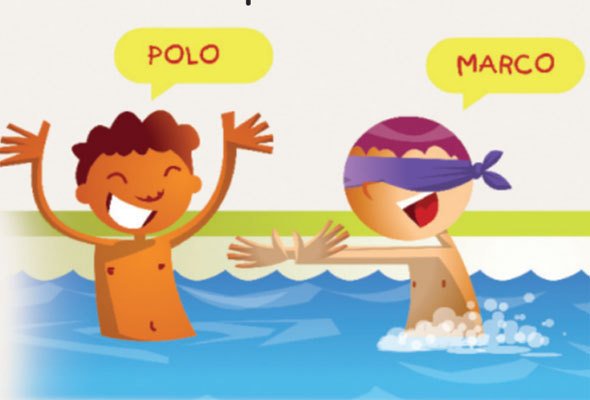
The exact origins of who invented marco polo game are unknown, it likely evolved from various blind man’s buff type games played over centuries.
Ever wonder about the history behind that fun pool game, Marco Polo? It’s a staple of summer fun, but few know the story behind it. The question of who invented marco polo game leads to a less clear-cut answer than you might expect.
Unlike many games with specific inventors, Marco Polo evolved over time. It seems to stem from variations of blind man’s buff, played across different cultures and periods. This lack of a single originator makes its history a bit of a mystery.

Who Invented Marco Polo Game?
The game of Marco Polo, that fun, splashing, echoing game played in pools around the world, is a favorite for many. It’s a simple game of tag, but with a twist – the person who is “it” has to close their eyes and rely on their hearing to find the other players. But have you ever stopped to wonder, who came up with this classic water game? It’s a question that doesn’t have a single, clear answer. Unlike many inventions, Marco Polo’s origins aren’t tied to a specific person or even a particular moment in time. Instead, it seems to have evolved over years, blending different kinds of games.
The Mystery of the Origins
The truth is, tracing the exact origins of Marco Polo is like trying to follow a slippery fish in a pool – it’s hard to pin down! There isn’t one inventor with a birth certificate for the game. Instead, it seems to be a game that grew organically. Imagine kids playing variations of blind tag in the water for many years, slowly morphing into the version we know today. Games like Marco Polo often evolve this way, shaped by the fun and creativity of the people who play them, and also its popularity. What we can look at are some of the elements that make up Marco Polo and how these may have developed.
Exploring the Game’s Ancestry
Let’s dig into what makes Marco Polo so special to understand how it might have come about:
Blind Man’s Bluff: A Key Component
One of the most obvious connections to Marco Polo is the old game “Blind Man’s Bluff.” In this game, someone is blindfolded and tries to catch others. This game has been around for ages and is played in many cultures with slight variations. It’s likely that the core idea of blindfolded tag transitioned into water, making use of the different sounds and acoustics water creates. It’s a good guess to say that kids probably started playing Blind Man’s Bluff near water, and it evolved naturally into the game we know as Marco Polo.
Echoes in the Water: The Auditory Element
The way sound travels in water is so different than in the air. This makes for a very unique experience of playing tag. When a person calls out “Marco,” the returning call of “Polo” creates an echo, the game uses the acoustics of the pool to add a challenge, and fun layer. Imagine early games might have used different calls before settling on “Marco” and “Polo” but the intention was always about using sound to find a hidden person. It is a core element of the game.
The Joy of Water Play
Humans have always been drawn to water. It provides so much for play and interaction. Combine that with the fun of tag and a need to adapt games to their environment, and you have all the necessary ingredients to create a game like Marco Polo. Water games are naturally playful, and the splashing and fun that come with them have likely led to multiple versions of games that are similar to Marco Polo.
Why “Marco Polo”? The Name Game
So, if the game wasn’t invented by a single person, where did the name come from? It’s highly unlikely the famous explorer Marco Polo was the inventor. It’s more likely that kids just picked a name that sounded cool, maybe because Marco Polo was famous for exploring the world. The word itself and its association to famous explorer with adventure probably added to the fun and mystique of the water game. It’s a fun, catchy name that just stuck, and has remained for years.
The Popularity of Marco Polo
The simplicity of Marco Polo is what makes it so popular. You don’t need any special equipment, just a pool and a group of people. This accessibility has made it a go-to game for generations, allowing it to spread and become the popular game it is today. The rules are easy to understand, making it perfect for kids of all ages and even adults to join in. Its popularity also comes from how much fun it provides.
The Evolution of Water Games
To better understand Marco Polo’s background, it’s good to look at how games change over time. They aren’t created in a vacuum; instead they evolve, based on what people like and how they play. Marco Polo is probably an example of this, influenced by different games and activities. Here’s how games usually evolve:
- Adaptation: Games get changed to suit different settings, like moving Blind Man’s Bluff into the pool.
- Experimentation: Kids try new things, like using the echo of water to help the blindfolded person find them.
- Social Interaction: Games spread through groups of friends, becoming more popular as people share the rules and fun.
- Cultural Shifts: Sometimes games adapt to certain cultural preferences, though the basic goal of fun stays the same.
- Repetition and Refinement: Over time, the rules and even the name will change and solidify based on popularity and player preferences.
Is there a similar game in different part of the world?
While Marco Polo as we know it is quite popular in many parts of the world, many other similar types of tag games with different variations are played worldwide. Here are some examples of other games similar to Marco Polo that use some of the same elements:
- Blind Man’s Bluff Variations: Many cultures have their versions of Blind Man’s Bluff that incorporate different calls or touches. For example, in some places, they might use a specific rhyme or a series of taps to guide the person who is “it.”
- Water Tag Around the World: Many countries have their versions of water tag, with small differences. Some may use different calls than “Marco” and “Polo,” or have different rules about how the person who is “it” can move through the water.
- Games of Echo and Sound: Other games rely on sound and echoing to make the play challenging. Some cultures have specific games that use different elements, like clapping to catch another person.
While these games aren’t exactly Marco Polo, they have the same roots in the joy of tag and using our senses in a fun and engaging way.
The Absence of a Single Inventor
The absence of a single inventor shouldn’t take away from our enjoyment of Marco Polo. Instead, it adds to the game’s mystique. It’s a game that feels like it has existed for ages and has evolved by the players themselves. It is a testament to how simple games can bring such joy and unite people across different generations and cultures. The simplicity and fun of Marco Polo are the reasons it continues to be loved by so many.
The Lasting Legacy of Marco Polo
Marco Polo, though without a creator to credit, still has a very important legacy. It teaches important skills that help development, such as listening, coordination, and problem solving. The game is also very inclusive, as anyone can join as long as they can be in the water. These elements make it a valuable game that kids will continue to play for many more years. The game’s legacy is the fun that it has brought to generations of kids, and this is a story in itself.
A Timeless Game For All
Marco Polo is more than just a game. It is a social experience that helps kids learn important lessons, all while having fun and getting exercise. The game promotes social interaction, and provides hours of laughter and excitement, while creating very good memories for the players. It’s a beautiful thing to have a game that has managed to be so popular and relevant, even without a specific inventor.
So, next time you hear the call of “Marco!” in the pool, remember that you are participating in a history of fun. You are not only playing a game, but helping in a legacy of a game that has evolved with time and fun. You are a part of something much bigger, a beautiful experience that can be shared by anyone. It is a reminder that some of the best things in life grow organically, with the help and passion of all who participate in them, just like the classic game of Marco Polo.
Marco Polo: More Than Just a Pool Game (National History Day Documentary)
Final Thoughts
The origins of Marco Polo remain a mystery. No single person invented it. This popular game evolved over time. It’s a variation of blind man’s bluff.
Different cultures likely developed similar games independently. Therefore, pinpointing exactly ‘who invented marco polo game’ is impossible. We can still enjoy the fun of playing this classic game.

